Spinach - attributes, frozen, fresh, spinach recipes... how to prepare spinach?

Isabella Taylor
2026-03-24
6 min. read

1 / 1
1 zdjęcie
46
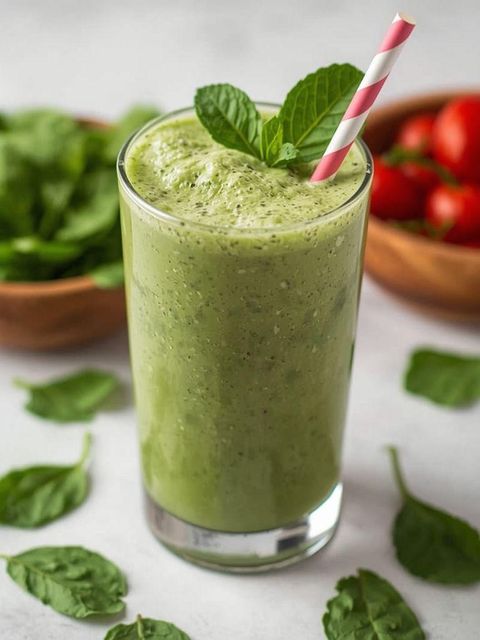
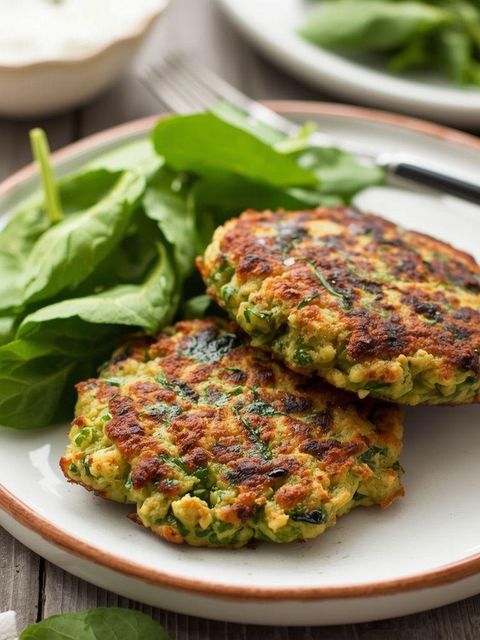
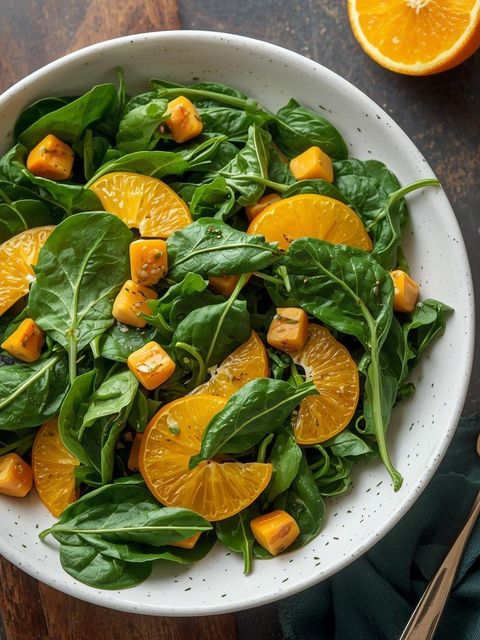
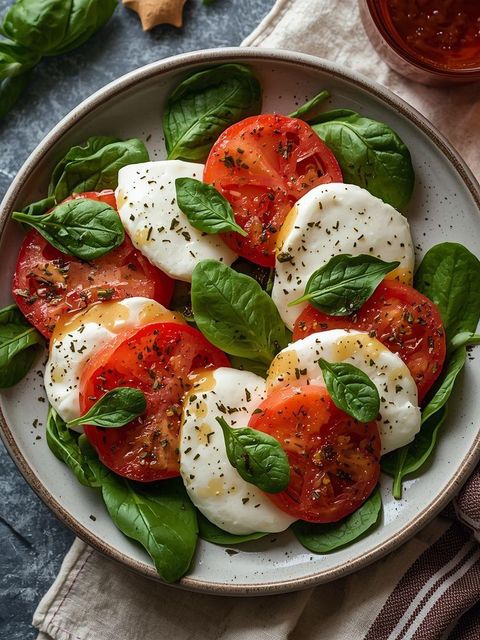
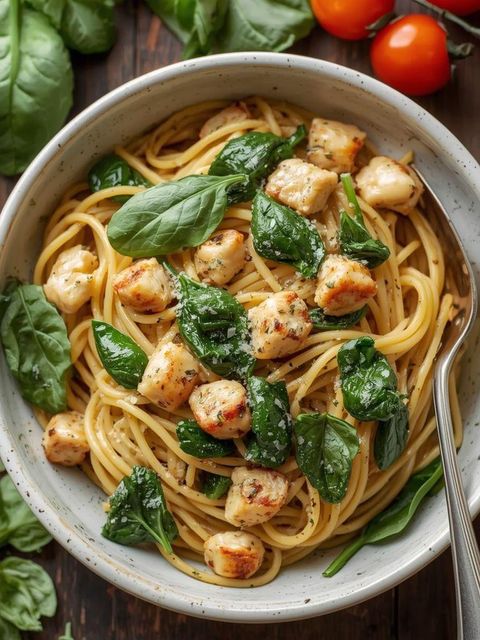
Spinach is globally recognized for over 2000 years... This chlorophyll-filled green vegetable did not enjoy great popularity until recently, especially among the youngest... Recent years have shown an increase in its popularity on Polish tables... Does it have any attributes and what dishes are worth preparing with it?
Nutritional profile and health benefits of spinach: A scientific review with practical applications
Spinach, which earned the moniker "King of Vegetables" in 19th-century Europe, has long been valued for its exceptional health-promoting properties. Historically, its consumption was advised for individuals suffering from anemia, digestive disorders, cardiovascular dysfunction, renal diseases, and general physical debility. A 100-gram serving of this leafy green vegetable contains: just 16 kilocalories, 2.6 grams of high-quality plant-based protein, 3.0 grams of carbohydrates (including 2.6 grams of dietary fiber), 4,243 micrograms of provitamin A as beta-carotene, 67.8 milligrams of ascorbic acid (vitamin C), 0.106 milligrams of thiamine (vitamin B1), 0.192 milligrams of riboflavin (vitamin B2), 235 milligrams of potassium, 93 milligrams of calcium, 29 milligrams of phosphorus, 53 milligrams of magnesium, and 2.8 milligrams of iron—alongside substantial quantities of chlorophyll. It is important to note, however, that the oxalic acid present in spinach reduces calcium bioavailability by forming insoluble complexes. Interestingly, for decades, spinach was erroneously considered one of the richest dietary sources of iron—a miscalculation in decimal placement (30 mg instead of 3 mg per 100 g) was responsible for this misconception. This vegetable can be safely incorporated into the diets of all age groups, except for individuals with kidney stone disease. Regular consumption supports the management of anemia, exhibits anticancer potential, strengthens immune function, aids cardiac performance, protects against atherosclerosis, regulates blood pressure, diminishes susceptibility to oxidative stress, prevents rickets in children, and—owing to its low caloric density—serves as a valuable component of weight-reduction diets. Contraindications for consumption include oxalate kidney stones, as the oxalic acid in spinach promotes the formation of calcium oxalate—the primary constituent of kidney stones.
You have started reading a PRO article
You can preview the first chapter. To read the complete article and unlock all content, upgrade to a PRO account.