Lithuanian culinary art: defining features, heritage, and time-honored recipes

Tomasz Jankowski
2026-03-21
7 min. read

1 / 1
1 zdjęcie
34
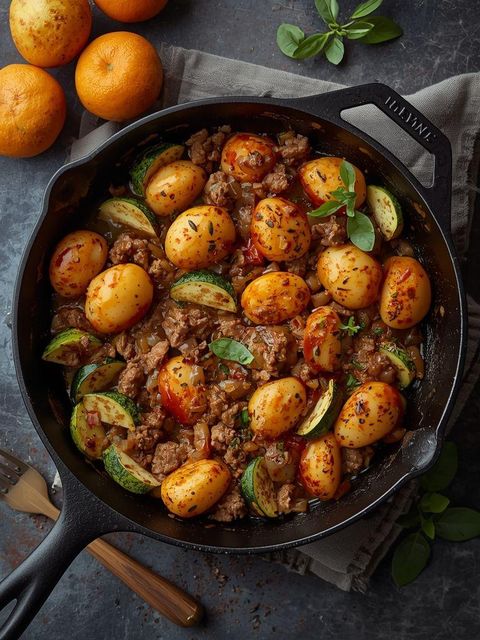
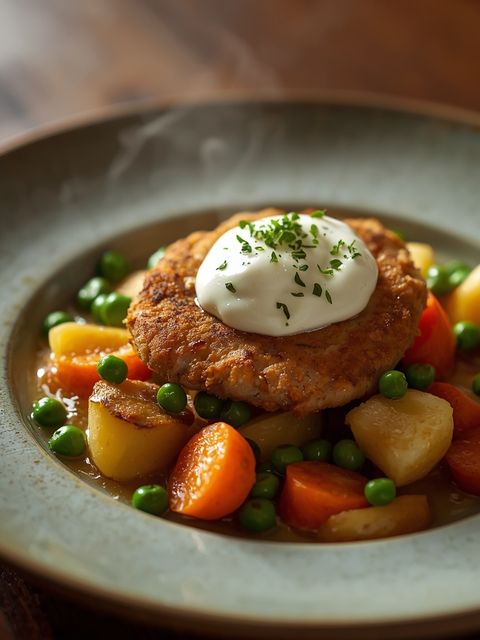
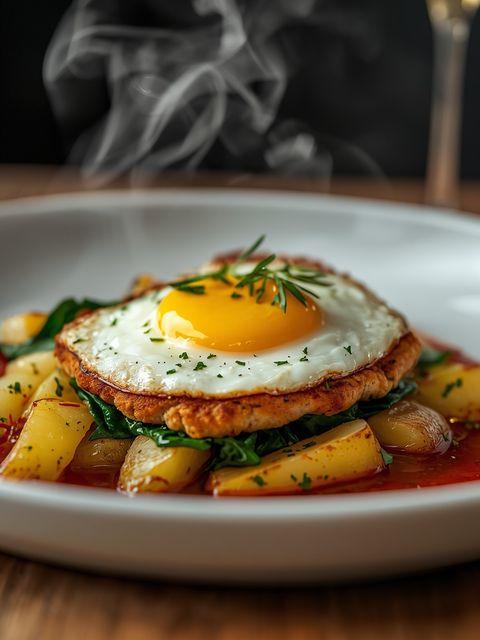
The culinary heritage of Lithuania, our northern neighbor, is fundamentally rooted in grain-based preparations and potato-centric dishes as dietary staples. Among the most frequently incorporated vegetables are potatoes in their myriad forms, various legume varieties, both white and red cabbage, turnips, beetroots, and curly kale. A defining characteristic of Lithuanian cuisine lies in its remarkable satiety factor and substantial caloric density. Historically, the region's inhabitants—primarily engaged in agricultural labor—required nutrient-dense meals to sustain the physical demands of their work. This cultural phenomenon is encapsulated in a widely recognized proverb: "A well-nourished individual is an efficient worker."
Lithuanian cuisine characteristic
In traditional Lithuanian cuisine we can find the influences of the western countries. In the beginning Lithuania was a farming country. Populations grew mainly from Polish, Jewish, Belarusian, Ukrainian, Tatar accents. It is the result of a complicated state policy, as well as a large migration of peoples. During the conquest of Lithuanian cooking, elements of Russian and German cuisine also permeated.
You have started reading a PRO article
You can preview the first chapter. To read the complete article and unlock all content, upgrade to a PRO account.