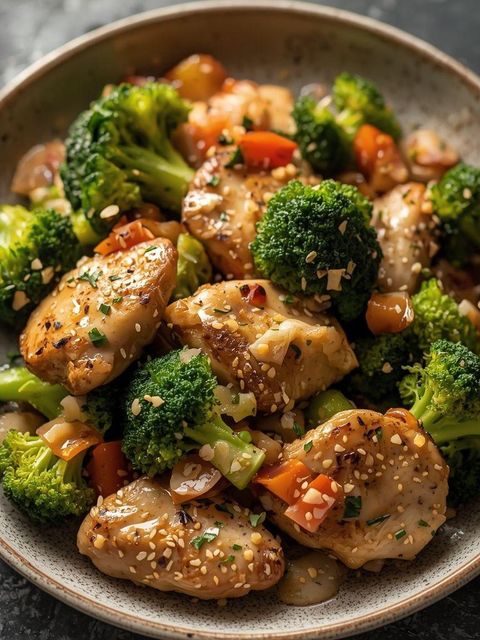
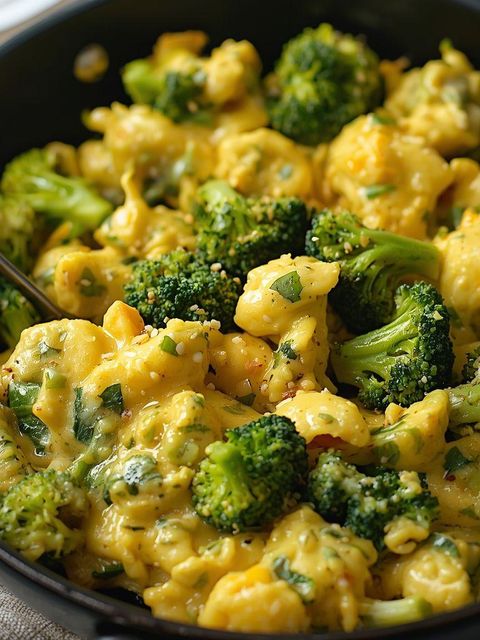
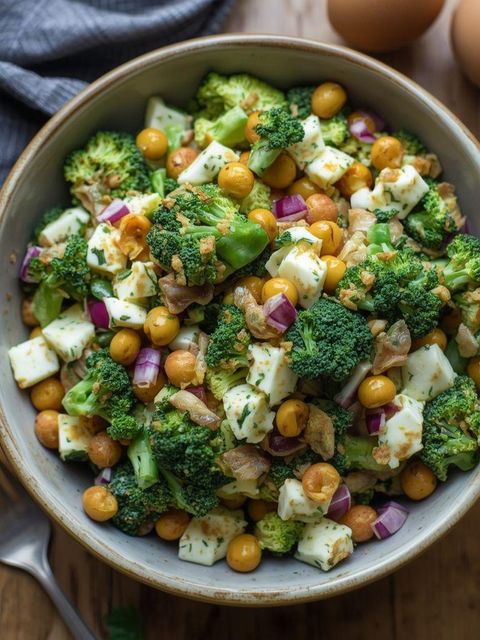
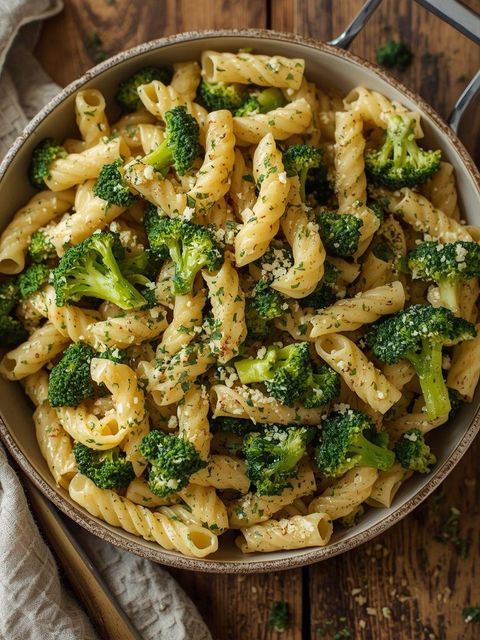
Broccoli: Features and Cooking Instructions

Anna Schmidt

Broccoli: a comprehensive examination of nutritional composition and health-promoting attributes
Broccoli exhibits substantial anticancer potential, attributable to its rich composition of bioactive compounds—including indoles, glucosinolates, and sulforaphane—the latter of which plays a pivotal role in facilitating the body’s detoxification processes by neutralizing and eliminating harmful metabolites and potential carcinogens. Beyond its chemopreventive properties, this cruciferous vegetable serves as an exceptional source of ascorbic acid (vitamin C) as well as an array of B vitamins, most notably folate, the adequate intake of which is critically important during the prenatal period, particularly in the early stages of pregnancy. The mineral profile of broccoli encompasses both macroelements—such as phosphorus, calcium, and magnesium—and microelements, including iron, zinc, copper, and manganese. Despite its relatively challenging digestibility, broccoli offers numerous dietary advantages. Chief among these is its remarkably low caloric density—100 grams of the vegetable contain a mere 30 kilocalories, a direct consequence of its high water content within cellular structures. Furthermore, owing to its low glycemic index (GI = 15), broccoli may be safely incorporated into the diets of individuals managing diabetes or insulin resistance, providing a nutrient-dense option without adverse metabolic effects.
You have started reading a PRO article
You can preview the first chapter. To read the complete article and unlock all content, upgrade to a PRO account.