The ramifications of overconsumption of sweets... How to substitute them?

Max Müller
2026-03-21
6 min. read

1 / 1
1 zdjęcie
78
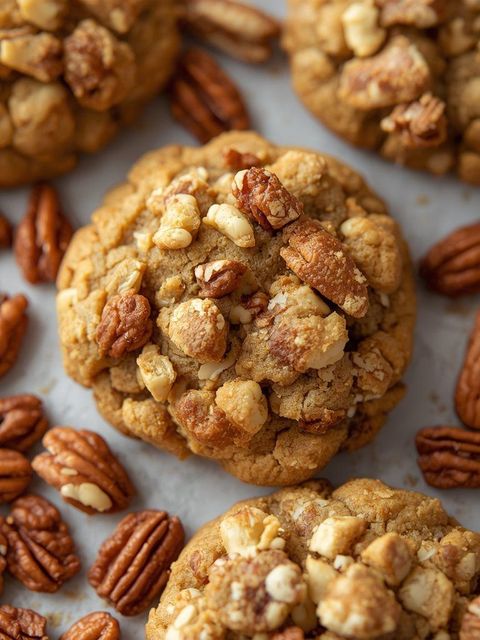
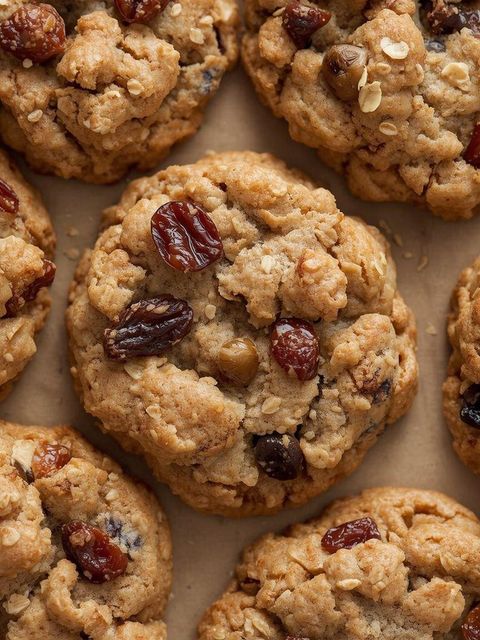
The assortments of cookies, chocolates, jellies, candies, waffles, and batons on the store shelves entice us with their variety of flavors and colors, as well as their interesting packaging. Why do we so readily succumb to the temptation? Undoubtedly, it is their sweet taste that captivates us. Sugar, which is often listed at the beginning of the ingredients, has many names: saccharose, fructose, glucose, xylitol, brown, cane, coconut, inverted, corn, malt extract, caramel, molasses, honey, maple syrup, corn, glucose-fructose, and many more.
The health repercussions of chronic excessive consumption of sugary confectionery products
Occasional consumption of sweets in moderate quantities—provided there are no underlying health contraindications—does not entail adverse effects. However, the habitual intake of substantial amounts of high-calorie products rich in simple carbohydrates and fats poses significant long-term risks to health. Diet-related diseases develop gradually, which is why preventive measures such as a healthy lifestyle are frequently overlooked—the consequences of excessive sugar consumption only become apparent after years. One of the most severe outcomes is excess body weight, which over time progresses to obesity. The implications extend beyond aesthetic concerns or daily functional impairments, such as reduced mobility. Excess weight places mechanical stress on the musculoskeletal system, leading to chronic pain and, ultimately, degenerative joint diseases in the limbs and spine. Adipocytes (fat cells) not only store energy but also secrete pro-inflammatory cytokines, a process particularly hazardous when involving visceral fat (android body type, or "apple-shaped" physique). These mechanisms contribute to hyperinsulinemia, impaired glucose tolerance, hypertriglyceridemia, hypercholesterolemia, and hyperuricemia, thereby elevating the risk of type 2 diabetes, cardiovascular diseases, and certain cancers (including colorectal, prostate, uterine, and breast cancers). Sweets, primarily composed of simple sugars, trigger a rapid insulin response to lower blood glucose levels post-consumption. However, the resultant fluctuations in glycemia lead to insulin resistance. Over time, this damages pancreatic β-cells, reducing insulin secretion and necessitating pharmacological intervention. While sugars provide a short-term energy boost to the brain, prolonged reliance on them results in chronic fatigue, impaired concentration, and heightened irritability. Excess glucose, unable to be stored as glycogen due to insulin resistance, is instead converted into fat tissue, predominantly in the abdominal region, potentially causing fatty organ infiltration (e.g., hepatic steatosis). Another consequence is dental caries: oral bacteria metabolize sugars into acids (e.g., lactic acid), which demineralize tooth enamel. Instead of nutrient-dense foods that support tissue repair and bodily functions, the body receives "empty" calories, which can paradoxically lead to malnutrition even in individuals with normal or elevated BMI. Additionally, *trans*-fatty acids found in sweets increase total cholesterol, LDL cholesterol, and triglyceride levels in the blood.
You have started reading a PRO article
You can preview the first chapter. To read the complete article and unlock all content, upgrade to a PRO account.