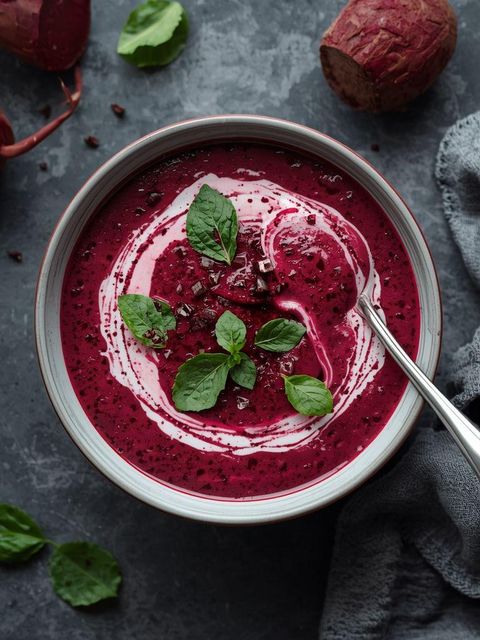
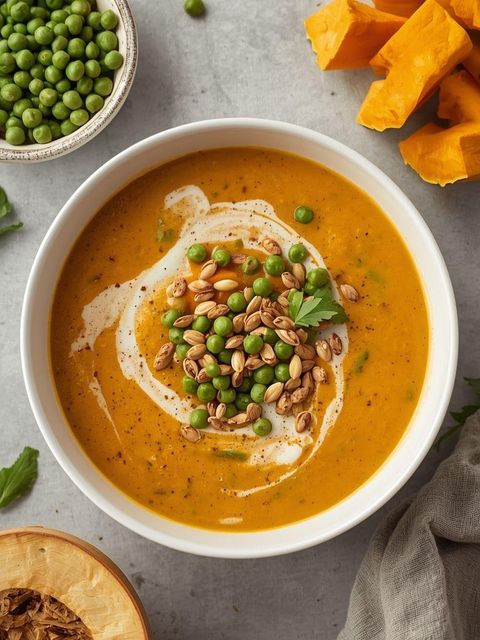
Preparation of Broth and Its Properties and Nutritional Value. Broth for the Common Cold

Mateusz Pawlak
2026-03-18
6 min. read

1 / 1
1 zdjęcie
60
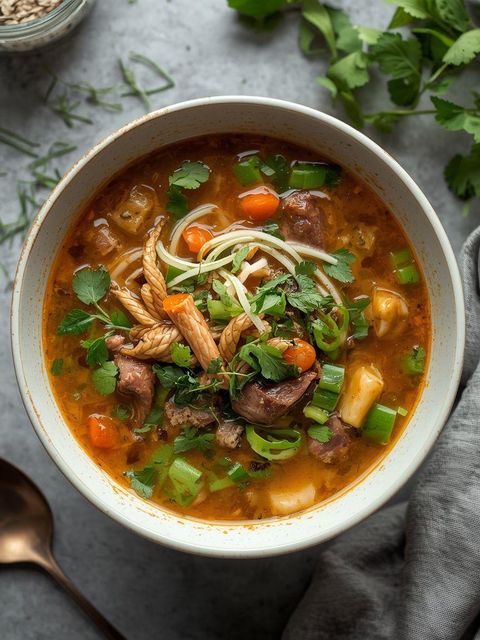
What comes to mind first when you think of raisins? Sunday dinner.. Cozy family atmosphere. Foretaste of tomato soup.. Remedy for colds. This soup is widely acknowledged and consumed both daily and during more important events. Depending on the region in Poland and the person preparing this dish, taste and aroma can differ.. The first recipes for Polish raisins emerged as early as the 17th century [1].
The Nutritional and Physiological Benefits of Consuming Broth: A Comprehensive Analysis of Its Bioactive Components
Every meal consumed by humans exerts a measurable effect on bodily functions by supplying essential macro- and micronutrients. Broth, classified among clear soups, serves as a significant source of hydration, with a standard serving providing approximately 200 milliliters of fluid, thereby contributing to daily fluid intake requirements. Dietary guidelines suggest that an adult male should consume roughly 2500 milliliters of water daily from both beverages and solid foods, whereas the recommended intake for women is approximately 2000 milliliters. Notably, soups—including broth—also function as appetite stimulants and are thus conventionally served as a first course during dinner. Their nutritional value is highly dependent on ingredient selection and culinary preparation methods. During prolonged simmering of meat and bones, bioactive compounds are released into the broth, including proteins (such as albumins) and inorganic mineral constituents like calcium, magnesium, and certain lipid fractions. Vegetables incorporated into the broth further enrich it with pectins, a vitamin complex (including provitamin A in the form of β-carotene), mineral salts, nitrogenous metabolites, as well as glycosides and organic acids that impart the dish’s distinctive flavor and aroma. Of particular significance is the presence of gelatin—a hydrolysis byproduct of collagen—whose concentration is especially elevated in broths prepared from crushed bones. Collagen, as a fundamental structural protein in connective tissue, plays a pivotal role in maintaining the integrity of joints, cartilage, and skin, a fact substantiated by extensive scientific research [2, 3, 4].
You have started reading a PRO article
You can preview the first chapter. To read the complete article and unlock all content, upgrade to a PRO account.