Beta-Glucan – Properties, Effects, Side Effects. Beta-Glucan for Children and Adults

Emilia Szymańska
2026-03-19
6 min. read

1 / 1
1 zdjęcie
54
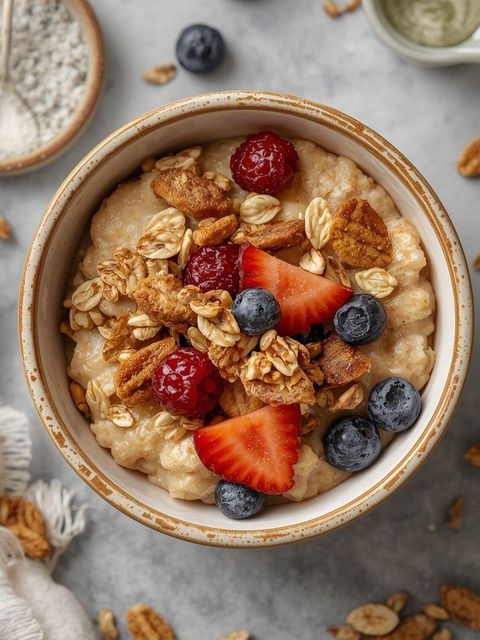
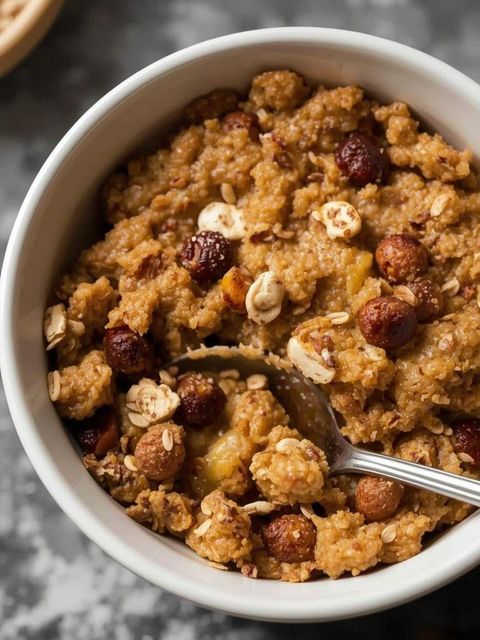
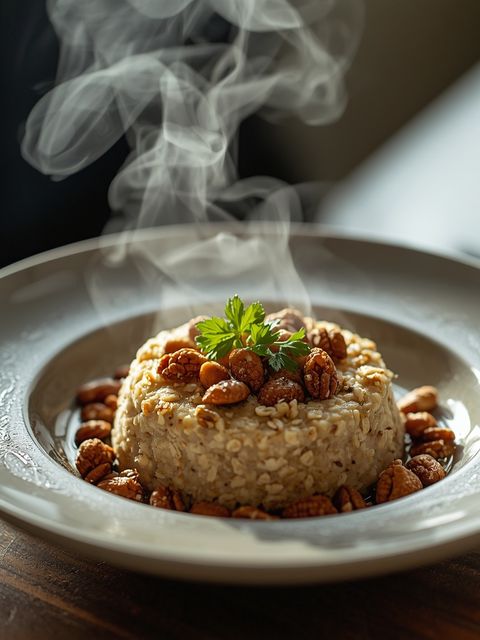
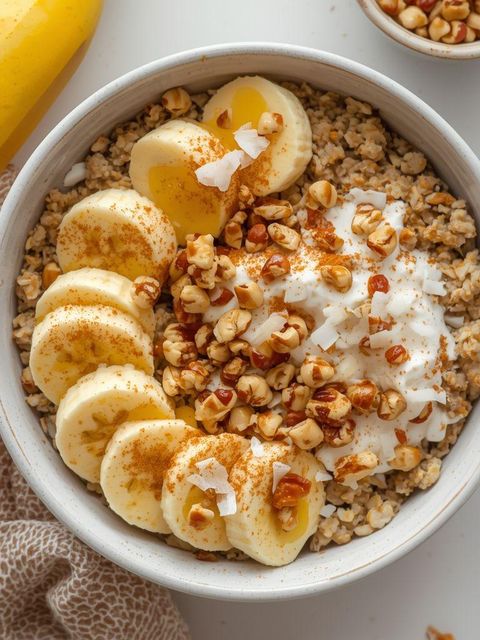
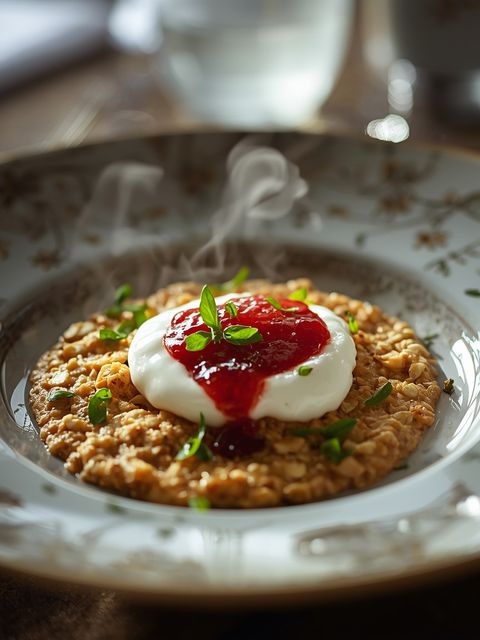
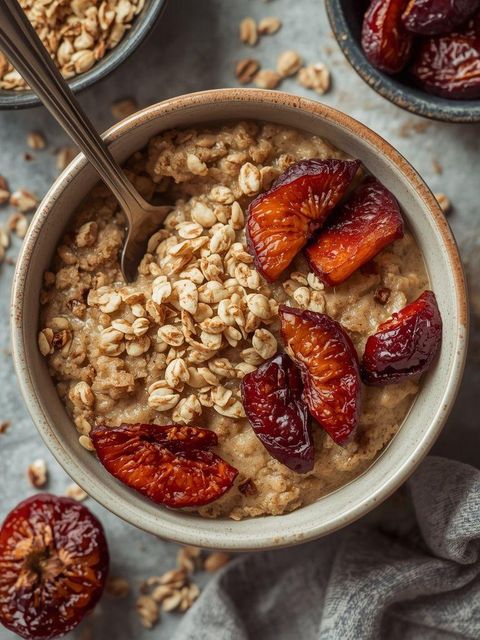
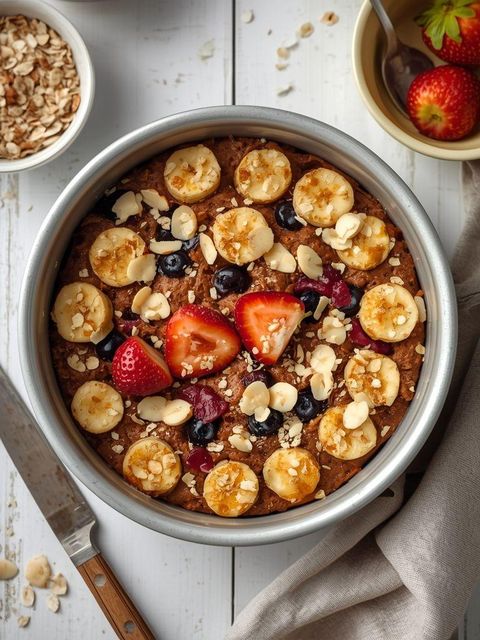
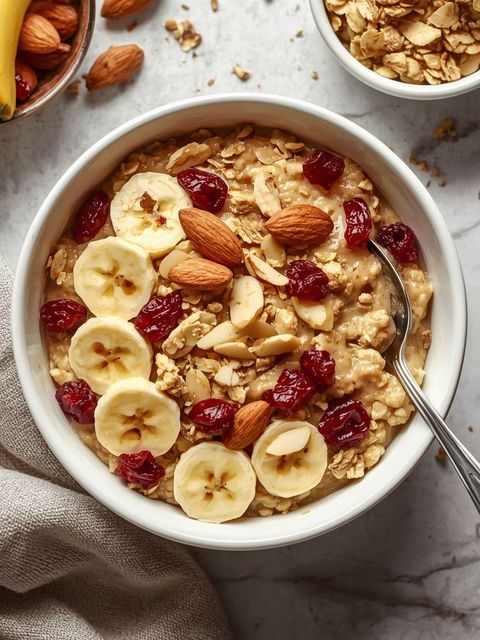
In the food industry and as a dietary constituent with exceptional nutritional values, oatmeal prevails, specifically the beta-glucan it contains. It also appears in the cell walls of plants, fungi. Among its characteristics are antioxidant action, weight reduction, decreased risk of coronary heart disease, among others.
Beta-glucan: regulatory definitions, source diversification, and structural properties of non-starch polysaccharides
Beta-glucans represent a class of biologically active polysaccharide compounds extracted from both fungal and plant sources. Their systematic classification is primarily based on structural criteria—specifically, the configuration of glycosidic linkages—that dictate their physicochemical properties and potential therapeutic applications [1]. The principal sources of these compounds are cereal grains, notably barley (*Hordeum vulgare*), oats (*Avena sativa*), and wheat (*Triticum aestivum*), whose outer layers (primarily the aleurone layer) contain substantial concentrations of beta-glucans. Additionally, these substances are isolated from higher fungi within the class *Agaricomycetes*, including species with well-documented immunomodulatory effects such as the lingzhi mushroom (*Ganoderma lucidum*, commonly known as Reishi), shiitake (*Lentinula edodes*), maitake (*Grifola frondosa*), and oyster mushroom (*Pleurotus ostreatus*), the latter of which is also cultivated under the climatic conditions of Poland. Supplementary sources encompass baker’s yeast (*Saccharomyces cerevisiae*), certain bamboo species, marine algae, and the cell walls of select pathogenic bacterial strains [1]. The diversity of sources facilitates the production of preparations with varied biological activity profiles: yeast- and fungal-derived beta-glucans are predominantly water-insoluble, whereas oat-based fractions exhibit high solubility, rendering them particularly valuable in physiological interactions [1, 2]. Chemically, beta-glucan is categorized as a non-starch polysaccharide and ranks among the three dominant carbohydrate fractions in cereals. Its content in oat grains ranges from 4–7% by mass, reaching up to 6–9% in oat bran [1, 2]. As much as 80% of oat-derived beta-glucans comprise water-soluble fractions, a key factor in their bioactivity. Notably, oat beta-glucans possess the highest molecular weight among all known sources, which may have significant implications for their in vivo functionality [1, 2].
You have started reading a PRO article
You can preview the first chapter. To read the complete article and unlock all content, upgrade to a PRO account.