Okresowe ograniczanie spożycia pokarmów - dowiedz się więcej o jego zasadach!

Tomasz Jankowski
2026-03-25
7 min. czytania

1 / 1
1 zdjęcie
103
Znana jako IF, metoda straty wagi staje się coraz częściej stosowana... Wśród dietetyków budzi wiele kontrowersji... Jej entuzjaści wysoko ją cenią, przeciwnicy znajdują wiele powodów, by się sprzeciwić... Postaram się zbliżyć do podstaw, na których opiera się i dla kogo może być ona odpowiednia.
Metoda IF – co to za sposób odżywiania?
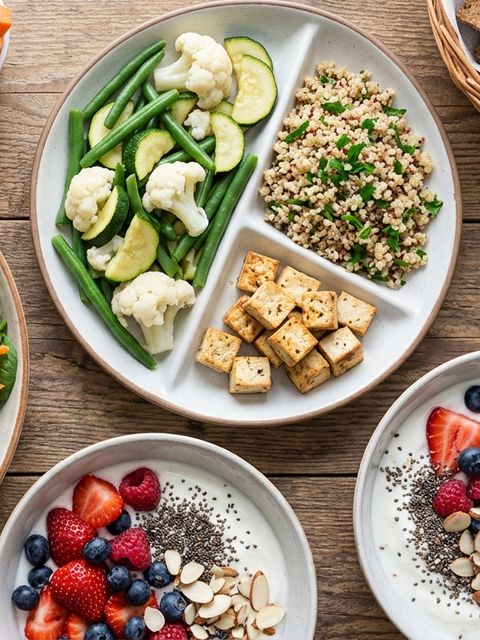
Intermittent fasting, often referred to as IF, is a method of nutrition that revolves around consuming food only for a specific duration within a day or week, while consciously refraining from eating during the remaining time. There are numerous variants of this fasting approach. The most favored one is 16/8, in which we fast for 16 hours and ingest meals within an 8-hour feeding window. In practical terms, this means forgoing breakfast in the morning, partaking in the first meal at midday, and the last one no later than 8:00 PM. The length of the feeding window should be tailored individually to ensure adequate food intake for meeting energy and nutrient requirements. Individuals adhering to stringent norms might opt to shorten the feeding period, for instance, to 4 hours. Another method, known as 5/2, entails implementing a substantial caloric restriction for two successive days per week, whereas we adhere to our normal diet for the remaining five days. It is crucial to underscore that irrespective of the chosen fasting method, the quality of consumed products holds significance. They should be minimally processed and abundant in vitamins and minerals. Fast food, sugar, pre-packaged snacks, alcohol, and others should be eschewed. Adequate hydration is equally vital. Apart from mineral water, unsweetened black coffee or tea can be consumed in smaller quantities.
Rozpocząłeś czytanie artykułu PRO
Możesz zapoznać się z pierwszym rozdziałem. Aby przeczytać cały artykuł i odblokować pełną treść, przejdź do konta PRO.
Tagi