Avocado aus den warmen Regionen Mittel- und Südamerikas

Max Müller
2026-03-25
3 Min. Lesezeit

1 / 1
1 zdjęcie
205
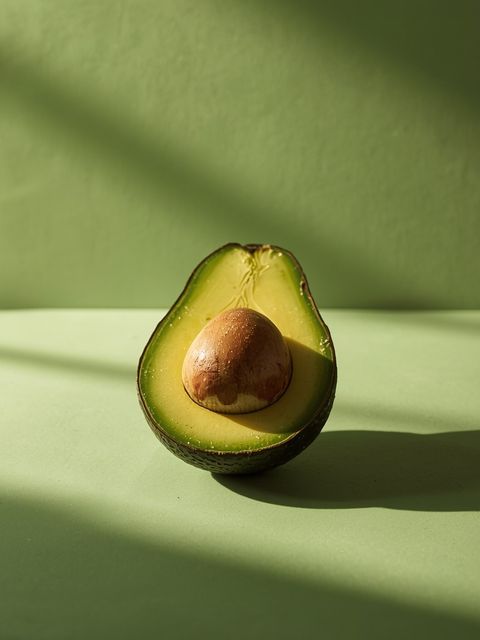
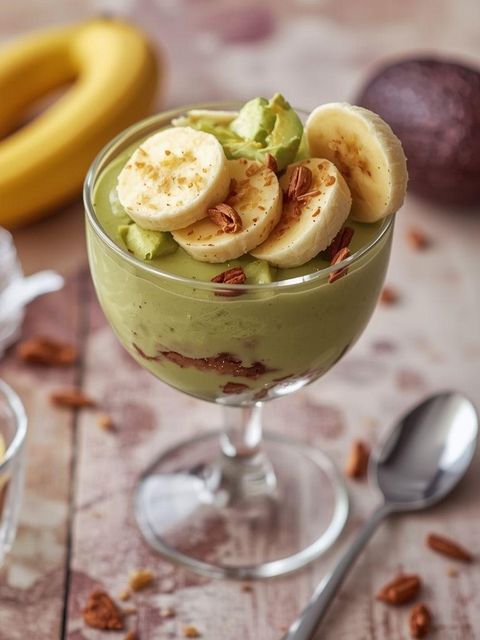
Die Avocado wird in tropischen und subtropischen Klimazonen von Mittel- und Südamerika angebaut. Ihre Form ähnelt einer intensiv grünen Birne, aber im Inneren befindet sich eine große Frucht anstelle eines Samennests. Sie ist fleischig, hat eine cremige Konsistenz und ist mild im Geschmack. Etwa 20-30 Prozent des Fruchtfleisches bestehen aus Fett, das hauptsächlich ungesättigte Fettsäuren enthält. Diese sind gut für unsere Gesundheit, da sie Teil der so genannten guten Fette sind. Regelmäßiger Verzehr von Avocado kann dazu beitragen, Herzkrankheiten, Arteriosklerose, koronarer Herzkrankheit und Schlaganfällen vorzubeugen.
Avocado: Nutritional and health-promoting characteristics of this tropical fruit
The avocado, cultivated in the warm climates of Central and South America, is distinguished by its pear-like shape and deep green skin. Rather than containing a conventional seed cavity, its interior houses a single, large pit. The fruit’s flesh is characterized by a creamy, buttery texture and a delicate, mildly nutty flavor. Notably, approximately 20–30% of its composition consists of fats—primarily monounsaturated and polyunsaturated fatty acids, classified as "healthy fats" due to their beneficial effects on cardiovascular health. Regular consumption of avocado may contribute to lowering levels of "bad" LDL cholesterol and triglycerides in the bloodstream, thereby serving as a preventive measure against heart disease, atherosclerosis, coronary artery disease, and stroke. Beyond its favorable fat profile, avocado is a rich source of over 20 essential vitamins and minerals, including vitamins A, C, E, folic acid, magnesium, potassium, zinc, and copper. It also provides a substantial amount of dietary fiber and potent antioxidants, such as glutathione—a compound that enhances the absorption of other dietary antioxidants. Additionally, avocado contains lutein and zeaxanthin, carotenoids known for their positive impact on eye health. The high folic acid content makes this fruit particularly valuable in the diets of women, as it may reduce the risk of breast and cervical cancers. Expectant mothers are also encouraged to incorporate avocado into their nutrition, given that folic acid plays a critical role in preventing congenital defects in the fetus. Due to its significant fiber content, avocado is further recommended for individuals seeking weight management or experiencing digestive issues, as fiber not only promotes satiety but also aids in cleansing the digestive tract of toxins and residual waste.
Comprehensive applications of avocado: Culinary, nutritional, and dermatological benefits
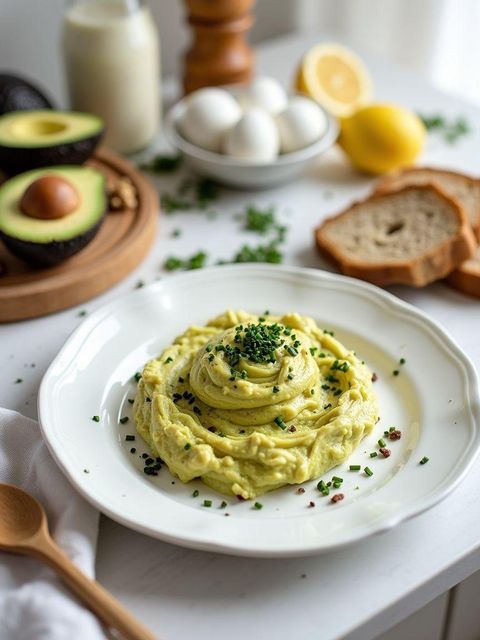
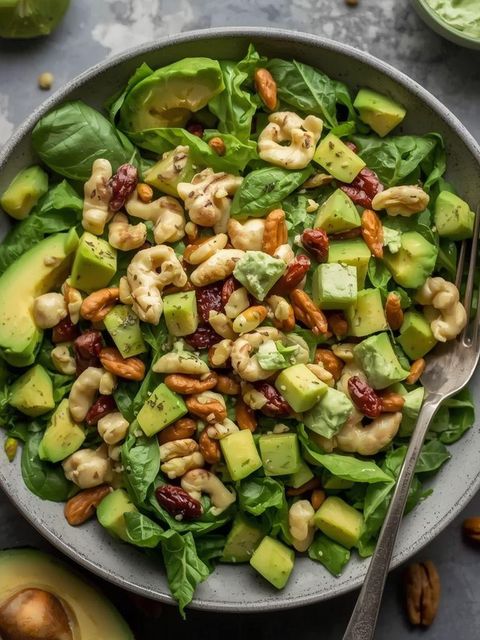
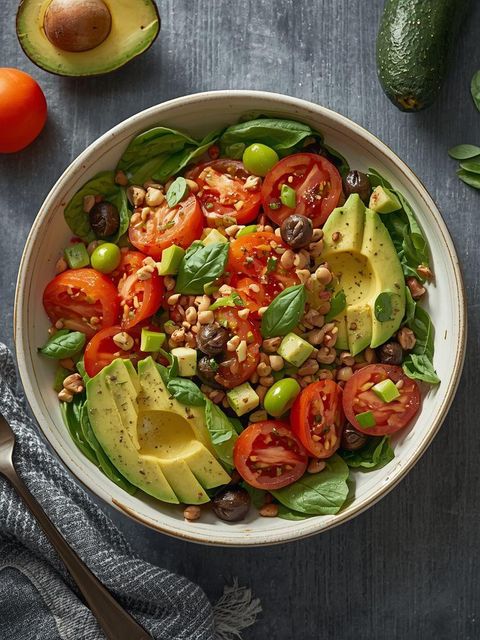
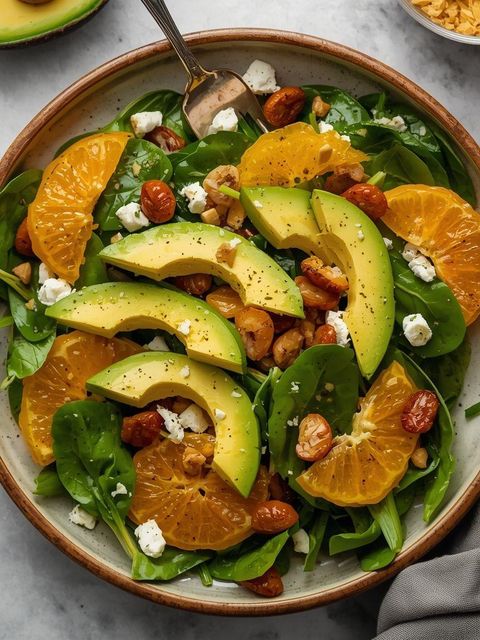
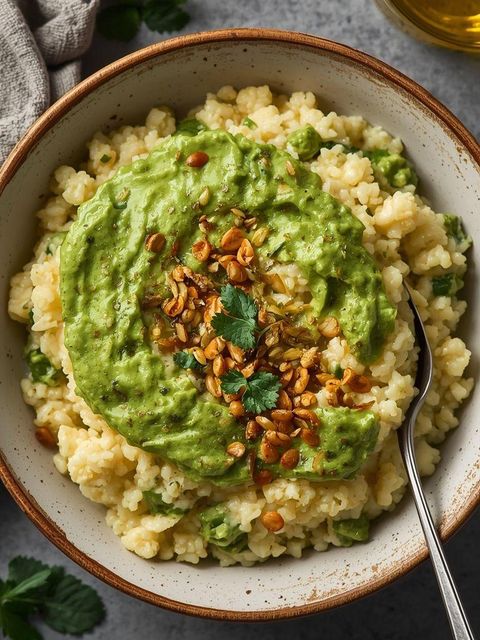
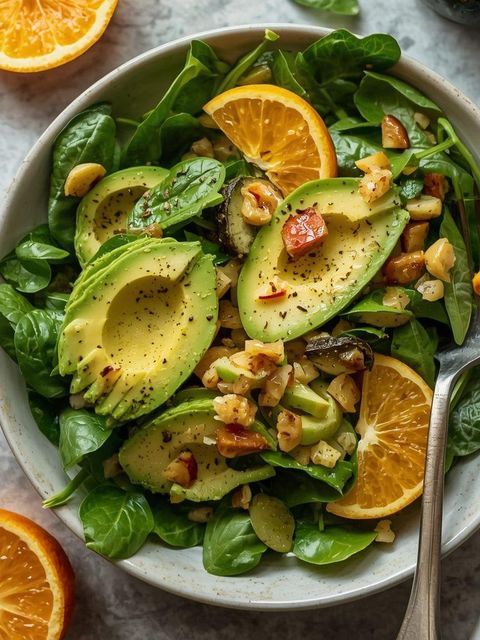
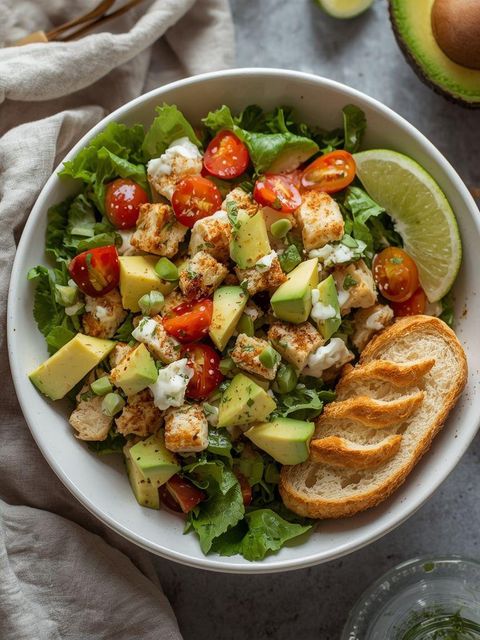
The fully mature avocado, distinguished by its buttery-soft texture and deep emerald-green rind, represents the pinnacle of both gastronomic excellence and nutritional density. Its luscious, monounsaturated-fat-rich pulp serves as the cornerstone of authentic Mexican guacamole—a culinary staple that harmonizes mashed avocado with lime juice, cilantro, and an array of seasonings. Beyond this classic application, the fruit excels as a spread for artisanal bread: simply fork-mash the flesh, season with flaky sea salt and freshly ground black pepper, incorporate finely grated garlic, and finish with a drizzle of extra-virgin olive oil. The avocado’s versatility extends to vegetable-based dishes, where it enhances both chilled salads and warm preparations; its velvety consistency pairs exquisitely with crisp produce, yielding a balanced flavor profile. Furthermore, owing to its abundant concentration of vitamins (particularly E and K), essential minerals, and heart-healthy fats, avocado lends itself to homemade skincare formulations. Crafting a revitalizing face mask involves blending the pulp with freshly extracted cucumber juice and raw honey—this synergistic mixture delivers profound hydration, refines skin texture, and fortifies the epidermal lipid barrier, thereby shielding against environmental aggressors such as pollutants and microbial contaminants.