WELCOME & NUTRITION SUPPORT

Nutrition Plans & Diets

It's a familiar story: You pledge to honor a daily elliptical routine and count every last calorie. But soon, you're eating cupcakes at the office and grabbing happy hour drinks, thinking, 'Oops, diet over.'

I've helped people exactly like you – smart, ambitious, put together – figure out the one thing that eludes them: Their ideal weight and long-term metabolic health. If you're like lots of people I help, you don't like restrictive rules, feel tired often, have tried working out and cutting calories, but need a truly sustainable clinical approach.

Fresh organic green produce in heart shape
HOW TO START

It's Easy to Start Today!

Eat Healthy

Eating habits should be regulated and controlled – only natural organic food will make our body healthy and strong.

Workout Hard

Diet is not the only ingredient of a long happy life. Physical exercise is also important for your health and vitality.

Enjoy Your Life

See how your life becomes a pleasant adventure, full of bright colors and fun activities with sustainable energy.

SERVICES
Personal Health Program

Personal Health Program

It does not matter if you want to lose weight, build lean muscle, or simply improve overall longevity and vitality.

Personal Fitness Trainer

Personal Fitness Trainer

A professional personal training and activity program created specifically with you and your individual goals.

Wellness Counseling

Wellness Counseling

We will be focused and working with you privately every step of the way to achieve permanent habit changes.

Diet Programs

Diet Programs

Healthy eating is one of the best things you can do to prevent and manage chronic health and metabolic problems.

Refreshing Citrus Background
FREE RECOMMENDATIONS

Change Your Health in One Day!

Special Program for Pregnant Women
POPULAR PROGRAMS & CLINICAL PROTOCOLS

Special Program for Pregnant Women

Pregnancy, infancy and early childhood are periods of rapid physiological growth and development. Insufficient nutrition during these critical growth and developmental periods places health and vitality at risk.

As a result, our clinical protocols educate and support pregnant and postpartum women about the importance of balanced micronutrition, gentle exercise, and allergen safety to ensure vibrant health for both mother and child.

8
Programs
161
Happy Customers
7
Awards
117
Success Stories

Subcategories & Topics:

12 areas

Dedicated Articles and Guides

Scientific papers, diet templates, and recommendations in Nutrition Plans & Diets

21 publications
The Role of Probiotic Supplements in Weight Management, Digestive Disorders, and Immune System Enhancement: Benefits and Potential Adverse Effects of Bacterial Cultures

The Role of Probiotic Supplements in Weight Management, Digestive Disorders, and Immune System Enhancement: Benefits and Potential Adverse Effects of Bacterial Cultures

For millennia, cultures worldwide have harnessed the health benefits of fermented foods containing live lactic acid bacteria. It was not until the pioneering research of Russian Nobel laureate Élie Metchnikoff in the early 20th century that the scientific community established a formal link between the consumption of fermented dairy products—particularly those containing the Lactobacillus acidophilus strain—and the remarkable longevity and robust health observed among rural Bulgarian populations. Contemporary research confirms that gut dysbiosis, an imbalance in microbial composition, can contribute to gastrointestinal disturbances such as chronic constipation or recurrent diarrhea, but also exerts broader systemic effects, including compromised immune function and metabolic dysregulation. This principle was presciently articulated in ancient Ayurvedic texts, emphasizing the pivotal role of a balanced intestinal microbiota in sustaining physiological equilibrium, supporting systemic immunity, mucosal digestion, and optimal energy balance.


Protein Supplements: Classification, Physiological Roles, and Strategic Supplementation for Athletes

Protein Supplements: Classification, Physiological Roles, and Strategic Supplementation for Athletes

The protein supplement industry continues to evolve, introducing formulations with enhanced amino acid profiles, improved bioavailability, and tailored nutrient compositions to meet the diverse needs of athletes and fitness enthusiasts. Manufacturers leverage advanced processing techniques—such as precise protein fractionation, elimination of artificial additives, and optimization of digestion rates—to create products that are not only palatable but also physiologically effective. For athletes aiming to maximize muscle hypertrophy, accelerate recovery, or achieve body recomposition, these supplements serve as critical tools. However, navigating the vast array of options requires a nuanced understanding of protein sources, their physiological roles, and evidence-based supplementation strategies to ensure alignment with individual goals, training regimens, and dietary plans.

Authentic Dairy Cheese vs. Plant-Based Cheese Alternatives: Key Differences and Identification Methods

Authentic Dairy Cheese vs. Plant-Based Cheese Alternatives: Key Differences and Identification Methods

Plant-based cheese alternatives, primarily composed of vegetable oils such as palm, rapeseed, or coconut fat, do not meet the legal definition of cheese. Under European Union regulations, the term 'cheese' is strictly reserved for dairy products derived exclusively from animal milk (bovine, ovine, or caprine). Misleadingly labeling plant-based substitutes with terms implying authentic dairy origin violates food labeling standards and consumer protection laws.

Key Metrics for Crafting a Personalized, Nutrient-Balanced Nutrition Plan

Key Metrics for Crafting a Personalized, Nutrient-Balanced Nutrition Plan

A meticulously tailored nutrition plan is the cornerstone of sustainable health and peak physical performance. However, no one-size-fits-all approach exists—each individual requires a unique adjustment based on biological markers and lifestyle factors. Designing a balanced dietary regimen demands precise calculations of basal metabolic rate (BMR), total daily energy expenditure (TDEE), physical activity levels, body composition, and metabolic health. This clinical guide outlines the critical metrics essential for crafting a personalized, evidence-based nutrition strategy that is both scientifically sound and practically implementable.

Kale: Comprehensive Health Benefits, Nutritional Profile, and Creative Recipes – Chips, Smoothies, and Soups

Kale: Comprehensive Health Benefits, Nutritional Profile, and Creative Recipes – Chips, Smoothies, and Soups

Kale stands as one of the most ancient and nutrient-dense leafy greens globally, celebrated as a true nutritional powerhouse. Packed with protective antioxidants such as sulforaphane, lutein, and zeaxanthin, it delivers critical vitamins (C, K, A), highly bioavailable calcium, and essential minerals like iron and potassium. This guide explores its multifaceted health benefits and offers creative, easy-to-prepare recipes—from crispy baked kale chips to revitalizing green smoothies and velvety soups—perfect for a balanced, nutrient-rich diet.

Novel Phytochemical Frontiers: Sulforaphane, Anthocyanins, Senolytic Quercetin, and Urolithin A in Plant Nutrition

Novel Phytochemical Frontiers: Sulforaphane, Anthocyanins, Senolytic Quercetin, and Urolithin A in Plant Nutrition

For decades, the nutritional value of plant foods was evaluated strictly through the narrow lens of essential vitamins (ascorbate, beta-carotene, folate) and basic minerals. Contemporary molecular biology and nutritional nutrigenomics have dismantled this reductionist view, uncovering thousands of non-caloric bioactives—polyphenols, glucosinolates, and stilbenoids—that modulate human genomic transcription. These xenohormetic molecules activate master cellular defense operons (Nrf2/ARE), stimulate mitochondrial autophagy (mitophagy via urolithin A), clear dysfunctional senescent cells (senolytics like quercetin and fisetin), and remodel the gut metabolome. This monograph reviews cutting-edge mechanisms redefining plant-based nutrition.

Comparative Analysis of Soy Milk and Rice Milk: Nutritional Profiles, Glycemic Impact, and Culinary Roles

Comparative Analysis of Soy Milk and Rice Milk: Nutritional Profiles, Glycemic Impact, and Culinary Roles

The continuous growth of the plant-based dairy category presents consumers with diverse substitutes for traditional bovine milk. Among the foundational options are soy milk and rice milk. While both are intrinsically 100% plant-derived and free from lactose and cholesterol, their macronutrient distributions, glycemic indices, protein quality, and allergenicity diverge sharply. This comparative study examines their composition, clinical indications, and functional applications.

Chickpea Flour (Besan) – Nutritional Value, Plant Protein, Culinary Uses, and Tested Recipes

Chickpea Flour (Besan) – Nutritional Value, Plant Protein, Culinary Uses, and Tested Recipes

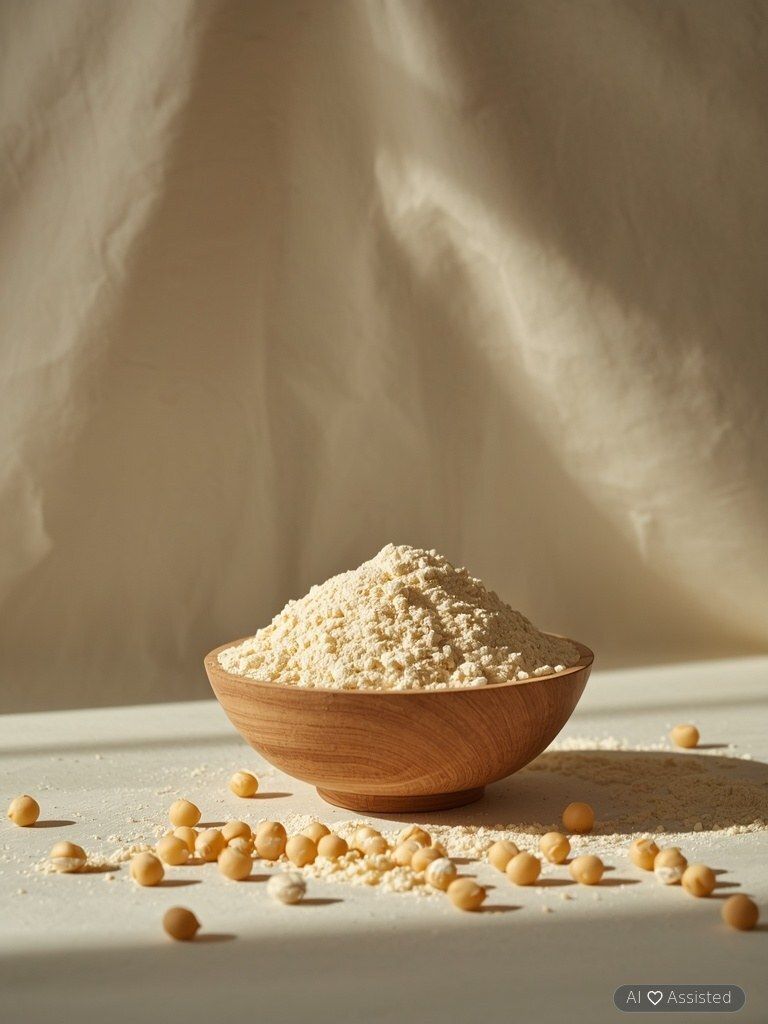
Chickpea flour, termed besan or gram flour in Indian gastronomy and forming the foundation of Mediterranean socca and farinata, is among the most nutrient-dense gluten-free flours available. Milled from dried chickpeas (Cicer arietinum), it packs an impressive 22% complete plant protein, copious dietary fiber, and a low glycemic index (GI = 35). Its inherent viscoelastic binding properties make it an unmatched plant-based egg substitute in vegan culinary arts.

Milled Flaxseed and Weight Management: Mechanisms of Satiety, Glycemic Control, and Microbiome Dynamics

Milled Flaxseed and Weight Management: Mechanisms of Satiety, Glycemic Control, and Microbiome Dynamics

Within medical weight management, functional whole foods capable of amplifying satiety peptides and stabilizing glycemic excursions are of prime therapeutic value. Milled flaxseed integrates viscous soluble fibers, anti-inflammatory alpha-linolenic acid, and prebiotic lignans. This article reviews the physiological mechanisms through which daily milled flaxseed intake facilitates body composition optimization and metabolic health.

Omega-3, Omega-6, and Omega-9 Fatty Acids: Biochemical Classification, Physiological Roles, and Dietary Balance

Omega-3, Omega-6, and Omega-9 Fatty Acids: Biochemical Classification, Physiological Roles, and Dietary Balance

Unsaturated fatty acids are central regulators of cell membrane biophysics, cellular receptor signaling, and systemic inflammatory pathways. While omega-3 (alpha-linolenic acid, EPA, DHA) and omega-6 (linoleic acid, arachidonic acid) constitute strictly essential polyunsaturated fatty acids (PUFAs), omega-9 (oleic acid) is a monounsaturated fatty acid (MUFA) that can be endogenously synthesized via stearoyl-CoA desaturase. Crucially, omega-3 and omega-6 pathways compete enzymatically for shared desaturase enzymes. This monograph details their biochemistry, eicosanoid cascades, nutritional sources, and optimal balance.

What are the characteristics of the state of ketosis? Consequences of consuming a high-fat, high-protein diet

What are the characteristics of the state of ketosis? Consequences of consuming a high-fat, high-protein diet

The existence of humans, just like any other living organism, is directly related to the process of consuming and metabolizing food. It is believed that one of the most important environmental factors that affect the human body and maintain good health is rational nutrition. People struggling with overweight or obesity often browse the internet in search of various diets that could effectively help with faster weight reduction. One such diet is the high-fat, high-protein diet.

Blue-green algae for aiding weight loss - dosage, effects, contraindications, recipes

Blue-green algae for aiding weight loss - dosage, effects, contraindications, recipes

Blue-green algae, commonly referred to as spirulina, are products derived from cyanobacteria. They are recognized globally as a dark green powder composed of numerous bioactive components. Thanks to their high protein content (55-70% dry weight) and the presence of all amino acids, blue-green algae serve as an excellent nutritional supplement.[1] Over the past few years, their popularity has been on the rise. Should one consider incorporating blue-green algae into their weight loss diet?

Sauerkraut, Chilled

Sauerkraut, Chilled

Fermented cabbage is a food product with low calorie content primarily composed of water. It contains small quantities of fiber and protein. It is recommended in the diet mainly due to its rich vitamin content. Particularly, it is about vitamin C. Not only does it prevent the development of infections, but it also fortifies blood vessels. In fermented cabbage, one can also find vitamin E, which enhances the functioning of the nervous system and promotes the healthy appearance of the skin, nails, and hair. Due to its low calorie count, i.e., 16 kcal per 100 g, it is a recommended product for individuals aiming to lose weight.

Cadmium – Sources in Food, Harmful Effects on the Human Body, Poisoning

Cadmium – Sources in Food, Harmful Effects on the Human Body, Poisoning

Cadm is one of the most common heavy metals found in food, which has a very harmful and broad range of effects on human health. Similar to mercury, cadm does not fulfill any regulatory function in the body, so when supplied with food products, it can only cause undesirable complications by disrupting the metabolism of certain organs. Cadm is particularly hazardous for people who consume a plant-based diet, men, and children, infants, and pregnant women. It is important to know the sources of cadmium and the reasons for the intentional reduction of the tolerable weekly intake (TWI) from food issued in 2009 by the European Food Safety Authority (EFSA).

Nutritional Aid for Non-Infectious Inflammatory Bowel Disease – Does the Low-Carbohydrate Diet Really Work?

Nutritional Aid for Non-Infectious Inflammatory Bowel Disease – Does the Low-Carbohydrate Diet Really Work?

Digestive disorders are becoming a more frequent issue worldwide. A likely cause for this situation is the high consumption of processed foods in the diet, large amounts of stress, exposure to various types of bacteria and viruses, or smoking tobacco. One such condition is inflammatory bowel disease (IBD), which often hinders normal functioning. To address the problem of this disease, various solutions are sought, primarily related to nutrition. The diet that appears to be beneficial in this case is the special carbohydrate diet (SCD), which is based on the elimination of complex carbohydrates from the diet.

Coconut pieces

Coconut pieces

Coconut pieces, due to their considerable fiber content, facilitate digestive processes and provide a lasting sense of satiety. They are particularly significant for individuals following a low-carbohydrate diet that is not rich in fiber-rich substances.

Unconventional Sustenance – Peanut Protein

Unconventional Sustenance – Peanut Protein

Indisputably, the most popular nutrient available to individuals who wish to improve their physical performance and body composition is protein. This type of substance is relatively inexpensive, delicious, and above all, offers numerous benefits. The popularity it has garnered over the years has led to the dynamic development of its many variants. Protein-rich food products can be manufactured from a variety of ingredients. The most commonly chosen are those produced from dairy products, known as whey proteins, but they may not be the best choice for everyone. Individuals with lactose intolerance or following a vegan diet will avoid this type of food. Fortunately, there are numerous alternative options, such as products containing soy, rice, or peanut protein. Among them, peanut protein is a relatively new entrant in the food market, but thanks to current scientific research, we can increasingly learn about its applications.

Share