Is this genuinely the reason why durum wheat outperforms other wheat varieties?

Felix Weber
2026-03-16
6 min. read

1 / 1
1 zdjęcie
12
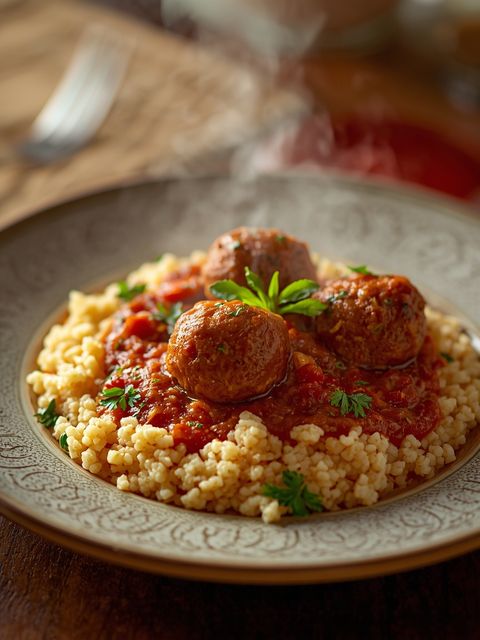
Recently, we have been encountering more and more information about durum wheat and the products containing it. However, not everyone who notices durum or semolina items on store shelves understands what they are. For individuals who do not engage with nutritional topics, it may simply be a name or an unusual characteristic that discourages them from purchasing a particular product. Today, I will attempt to clarify why durum wheat is regarded as superior to other varieties. Additionally, for whom is its use not recommended? Why is it worthwhile to consider buying products made with its inclusion?
durum wheat, semolina and cassava
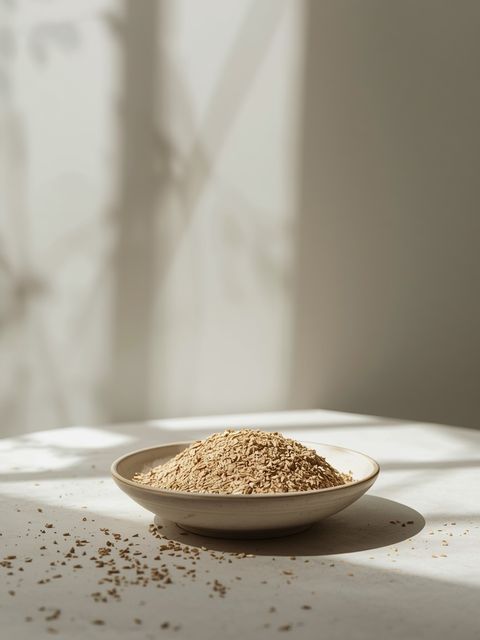
First, we'll learn a little more about the names we're going to use in the text. durum wheat (Triricum durum) is a genus of wheat belonging to the wheatgrass family. It's the result of a genetic mutation of common flat wheat, high in fiber. The history of cultivation of this plant is many thousands of years old. This species is common in the Middle East and China. The climate there is definitely right for growing this plant.
You have started reading a PRO article
You can preview the first chapter. To read the complete article and unlock all content, upgrade to a PRO account.
Tags