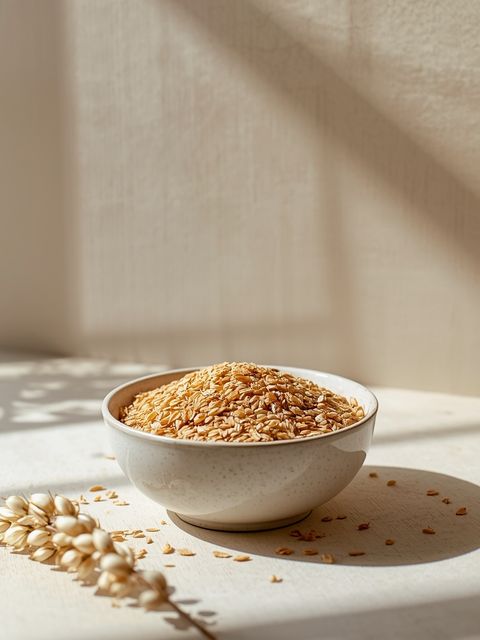
Buckwheat: Cooking Method and 6 Reliable Recipes for Meals All Day

Tomasz Jankowski
2026-03-16
6 min. read

1 / 1
1 zdjęcie
40
It has a history dating back to the Neolithic period, it came to Europe from China, where the first recipes for it are dated. It was mentioned among the five sacred Chinese grains alongside soybeans, wheat, rice, and rye. It does not require fertile soils and a warm climate, so it was farmed more often than rice. Its nutritional and medicinal properties have been known for a long time, but in Europe it is not as popular as barley or barley grain.
Millet (proso millet) – alkaline-forming properties and dietary benefits
One of the most significant attributes of millet—particularly proso millet, commonly referred to as "jaggery millet" in some regions—is its pronounced alkaline-forming capacity, which plays a pivotal role in counteracting the acidic overload induced by contemporary dietary habits. Modern diets frequently emphasize the consumption of highly acidifying foods, including refined grain products, processed sugars, high-fat dairy, red and processed meats, as well as caffeine-rich beverages—all of which, over time, may contribute to systemic inflammation and elevate the risk of chronic diseases, including certain malignancies. The incorporation of millet into one’s diet facilitates the restoration of acid-base equilibrium, enhances digestive efficiency, and mitigates excess gastric acidity, thereby fostering an improved sense of overall well-being. This grain is particularly beneficial for individuals afflicted with *Candida albicans* overgrowth (candidiasis), as its alkalizing properties inhibit the proliferation of pathogenic yeast within an acidic internal environment. Furthermore, owing to its gluten-free composition and low allergenic potential, millet serves as a safe and easily digestible dietary staple for individuals with gluten sensitivity, food allergies, or those adhering to elimination diets, as well as for growing children requiring nutrient-dense foods. Millet is abundant in B-complex vitamins (such as thiamine, riboflavin, and pyridoxine), which are integral to cellular metabolism, and lecithin—a phospholipid that enhances cognitive performance, sharpens focus, and aids in maintaining healthy blood cholesterol levels. Its mineral profile includes calcium (vital for skeletal integrity), iron (essential for preventing anemia), phosphorus (critical for DNA and RNA synthesis), and potassium (which regulates blood pressure and electrolyte balance). Additionally, millet provides high-quality plant-based protein and complex carbohydrates, ensuring a sustained release of energy and preventing abrupt fluctuations in blood glucose levels. Due to its thermogenic properties, millet is an excellent dietary component during colder months, as it promotes internal warmth and fortifies the body’s resilience against low temperatures. Individuals suffering from gastroesophageal reflux disease (GERD) or chronic heartburn may experience symptomatic relief upon consumption, as millet neutralizes the irritating effects of hydrochloric acid on the gastrointestinal mucosa. Its beneficial impact on skin elasticity, hair strength, and nail integrity can be attributed to its high silicon content—a trace mineral seldom found in common foods yet indispensable for collagen and elastin production.
You have started reading a PRO article
You can preview the first chapter. To read the complete article and unlock all content, upgrade to a PRO account.