Tricks to Boost Feeling of Fullness after Meal

Tim Klein
2026-03-15
6 min. read

1 / 1
1 zdjęcie
38
Weight loss diets are often associated with constant feelings of hunger, which can lead to frustrating and discouraging experiences. However, there is a good piece of news - it can be avoided! The secret lies in the proper preparation of meals and the selection and combination of ingredients. So, how can one boost the feeling of fullness after a meal? Here are 5 practical tricks.
Enhancing the food quantity in the meal
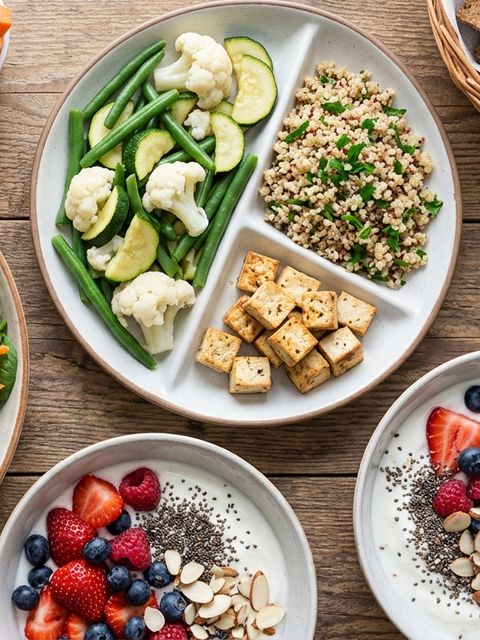
The sensation of fullness is dependent on many factors, including the degree of stretching of the stomach walls, hence a larger amount of food can have a positive impact on the feeling of satiety. One method to increase the amount and grammar of a meal without changing its caloric content is to soak some dry products in water. For instance, when preparing oatmeal, simply filling the oats with water and letting it sit for a few minutes until they swell, and then combining them with preferred ingredients, can help increase the volume of the meal, which in turn affects the feeling of satiety. To increase the volume of the meal without significantly increasing its caloric content, it is advisable to choose products with low energy density, such as vegetables and fruits, which contain relatively few kilocalories in large quantities. Added to every meal, they have a positive impact on the feeling of satiety. For example, one can replace strawberry yogurt with natural yogurt with fresh strawberries. In 150 g strawberry yogurt, there are about 150 kcal, while 150 g natural yogurt with 150 g fresh strawberries provide the same number of kilocalories, but the volume doubles.
You have started reading a PRO article
You can preview the first chapter. To read the complete article and unlock all content, upgrade to a PRO account.