Pumpkin Seeds - Types, Nutrient Components, Characteristics, Application

Laura Schneider
2026-03-22
6 min. read

1 / 1
79
views
1 zdjęcie
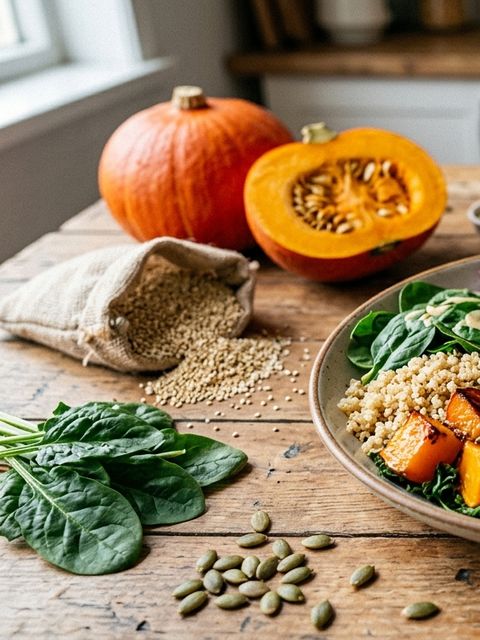
Pumpkin, in addition to being a tasty vegetable, provides us with many valuable nutrients. Its seeds are one of the best sources of zinc. Where in the world is pumpkin most popular? What benefits does consuming it in the diet bring?
Tale of Pumpkin Harvest – History
The pumpkin, an annual plant from the gourd family, is also known as pumpkin, derived from the Greek word pepon, meaning large melon. It is grown on all continents except Antarctica and is considered the symbol of Morton in the state of Illinois, which was declared the world pumpkin capital in 1978 by the state's governor. Since the 1960s, the Morton Pumpkin Festival has been held annually in Morton, lasting four days and accompanied by a chosen theme. The pumpkin was a main component of the Native American diet thousands of years ago. Pumpkin seeds discovered in present-day Mexico date back to about 7000 years before our era. The pumpkin was not only used as a food source. Americans made mats from dried, flattened pieces, and pumpkin seeds were used medicinally, such as in cases of prostate enlargement, gastritis, liver and kidney diseases, and poorly healing wounds. The pumpkin also had symbolic significance. Young couples avoided entering pumpkin fields before the birth of their first child.
You have started reading a PRO article
You can preview the first chapter. To read the complete article and unlock all content, upgrade to a PRO account.