Fundamentals of Winter Diet

David Janitzek
2026-03-19
8 min. read
1 / 1
1 zdjęcie
1799
Regardless of the time of year, nearly all kinds of fruits and vegetables are available in stores throughout the year... Nevertheless, it is recommended to focus on seasonal products in one's diet, so how does one manage the winter period?
Seasonal commodities
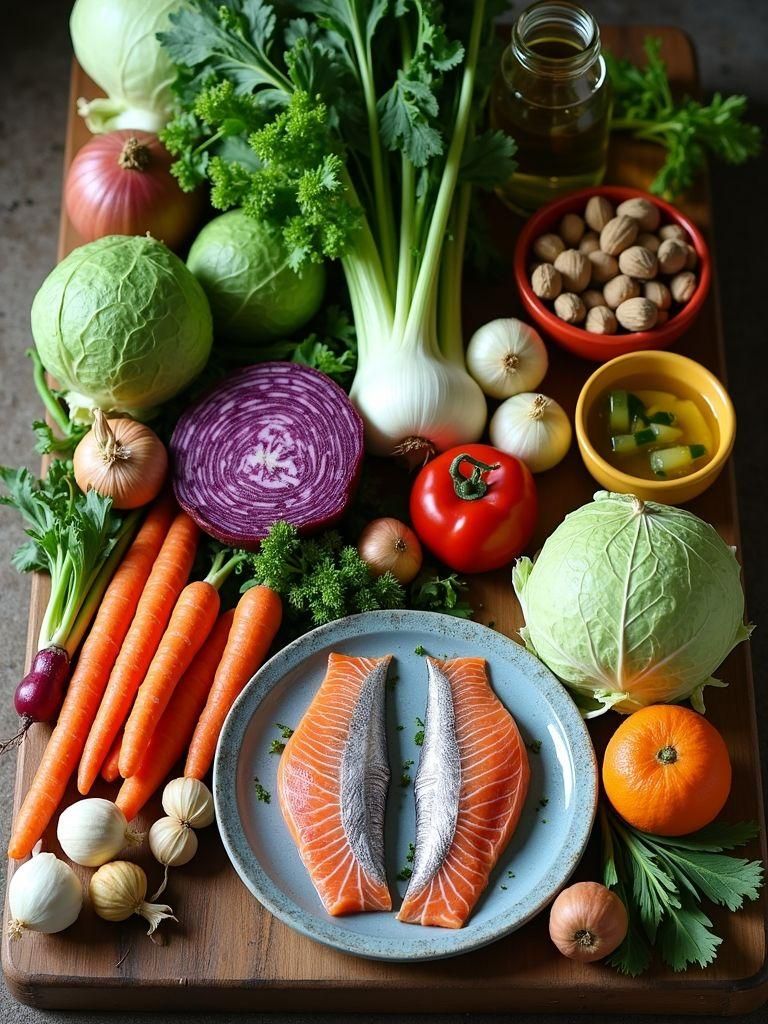
In winter, the selection of vegetables and fruits is seasonally limited. Why should seasonally grown crops, which are also harvested during the winter, be an important part of our diet? Examples include celery, Brussels sprouts, raspberries. Other equally valuable and available products during winter are onions, garlic, beans (dried grains), white cabbage, red cabbages, peaches, celery, and celery. However, why should seasonally grown vegetables be important ingredients in our diet? Imported products often travel a longer distance before reaching the stores. Conservation is often required, as in the case of apples and other fruits. Polish producers rarely apply waxing, unlike foreign exporters. Waxing helps protect the fruit from negative effects of time and environmental conditions. Waxes of appropriate quality do not pose a threat to the health of consumers. European law regulates the use of waxes, but if we have a choice, it is worth choosing local and as natural as possible products.
You have started reading a PRO article
You can preview the first chapter. To read the complete article and unlock all content, upgrade to a PRO account.