Part 3/3 - Current trends and methods in weight loss

Max Müller
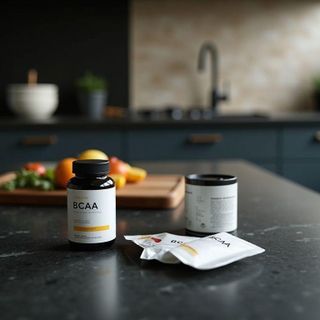

Dietary Supplementation: What Are the Latest Trends and Information You Should Be Aware Of?
Nowadays, as life speeds up and access to information about a healthy lifestyle becomes nearly limitless, dietary supplementation has become an increasingly popular topic in the context of weight loss and health care. In this section, we will look at modern trends and methods related to supplementation that can support the weight loss process, as well as pitfalls and myths to avoid.
Dietary supplements can be seen as additional support for those who want to lose weight, but they are not a standalone solution. The key to success is understanding how they work, which ingredients are most commonly used, and their potential benefits and risks. Supplementation should always complement a balanced diet and regular physical activity, not replace them.
There are various supplements on the market that promise support during weight loss. The most popular include those containing ingredients such as caffeine, green tea, L-carnitine, fiber, or plant extracts like garcinia cambogia. Each of these ingredients has unique properties and ways of affecting the body.
Caffeine, known as a stimulant, can help increase energy levels and improve performance during exercise. It also acts as a thermogenic, meaning it can boost metabolism and help burn calories. Green tea is rich in antioxidants that may support metabolic processes and help reduce body fat. Studies have shown that regular consumption of green tea extract can lead to moderate weight loss.
L-carnitine is an amino acid that plays a role in transporting fatty acids to mitochondria, where they are burned as an energy source. Supplementation with L-carnitine may benefit those looking to improve physical performance and support weight loss, though its effectiveness can vary depending on individual factors.
Fiber is another popular supplement ingredient. Its main advantage is its ability to increase feelings of fullness, which can help control appetite and reduce calorie intake. Supplementing with fiber can be especially helpful for people who struggle to maintain satiety after meals.
Garcinia cambogia extract, a fruit from Southeast Asia, has gained popularity as a natural weight loss aid. It contains hydroxycitric acid (HCA), which may influence metabolic processes by inhibiting fat synthesis and increasing feelings of fullness. Although some studies suggest its effectiveness, results are mixed, and further research is needed to fully understand its impact.
However, it is important to remember that dietary supplements are not without risks. Some may cause side effects or interact with medications you take. Therefore, before starting any supplement, it is advisable to consult a doctor or nutritionist. It is also important to choose products from reputable manufacturers that undergo quality and safety testing.
In modern supplementation trends, adaptogens such as ashwagandha, rhodiola rosea, or maca are also gaining popularity. Adaptogens are plant-based substances that may help the body adapt to stress and improve overall resilience. Although their direct effect on weight loss is not clearly proven, they can support mental and physical health, which is crucial for maintaining a healthy lifestyle.
Another interesting area of supplementation is the use of probiotics and prebiotics. A balanced gut microbiome can affect metabolic processes and body weight regulation. Studies suggest that certain probiotic strains may aid weight loss, though research is still ongoing.
Technology also plays an increasing role in supplementation. Modern mobile apps and health tracking devices allow monitoring of supplement intake and their effects on the body. This helps individuals losing weight better understand which products work best for them and how to tailor their supplementation approach.
In summary, dietary supplementation can be a valuable tool to support weight loss but should not be treated as the sole solution. Success lies in a balanced approach combining a healthy diet, regular physical activity, and mindful use of supplements. Remember, every body is different, and what works for one person may not work for another. That is why an individual approach and consulting health professionals are especially important.
You have started reading a PRO article
You can preview the first chapter. To read the complete article and unlock all content, upgrade to a PRO account.