Overcoming Cholesterol with an Appropriate Diet - Recipes

Felix Weber
2026-03-23
9 min. read

1 / 1
1 zdjęcie
1842
A multitude of individuals contend with lipid economy disorders, which may predispose them to severe afflictions such as stroke or coronary heart disease in the future. Cardiovascular diseases are diet-related ailments, meaning that an appropriate diet and the overall healthy lifestyle can contribute to managing lipid disorders.
Medical dietary recommendations for cholesterol control
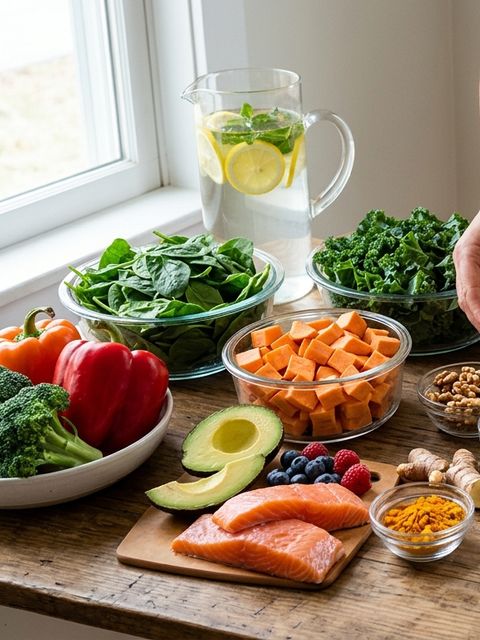
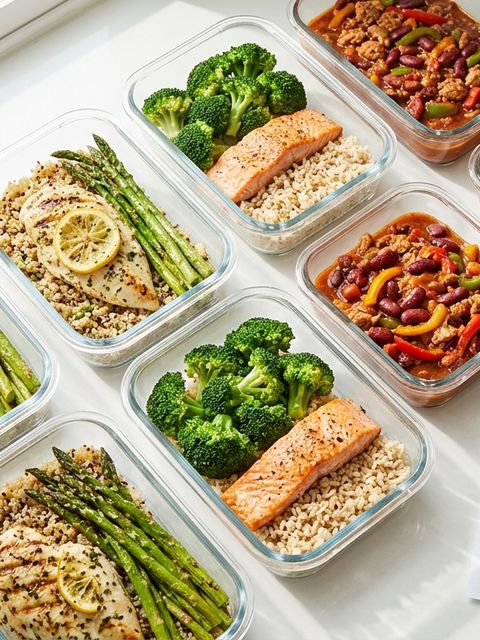
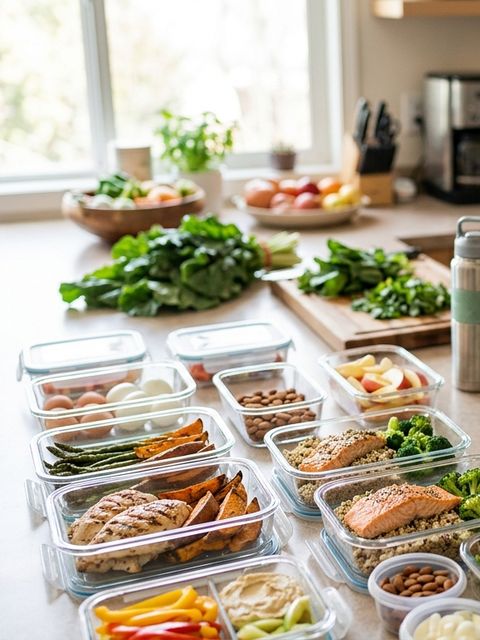
In order to effectively combat cholesterol, it is recommended to follow a diet with a controlled fatty acid content. This diet involves reducing the intake of saturated fatty acids and replacing them with mono- and polyunsaturated fatty acids. It is recommended to avoid consuming fatty products such as fatty cheeses and yellow cheeses, milk and dairy products containing more than 3.2% fat, butter, fatty meats, including pork fat, offal, fatty meats and fatty sausages. Instead, it is worth integrating vegetable oils such as olive oil and rapeseed oil, nuts, seeds, kernels and low-fat dairy products, especially fermented beverages, into the diet. It is recommended to eat fatty sea fish such as salmon, mackerel, herring and tuna at least twice a week. They contain polyunsaturated fatty acids of the omega-3 family, which contribute to maintaining heart function. As part of this diet, it is recommended to reduce the intake of fructose and sucrose, as they can lead to an increase in triglyceride levels in the blood. These sugars are found in conventional sweets, breakfast cereals, fruit yoghurts, some dried fruits, jams, preserves and baked goods. In a well-balanced diet, dietary fiber is a very important component that can be found in raw vegetables and fruits, as well as in whole grain products. It is advisable to reduce the salt content in the daily diet, as an excess of salt can lead to the development of high blood pressure. The dishes should be seasoned with a large amount of fresh herbs and spices. Allowed cooking techniques include: steaming, cooking in water, and baking without fat. Occasionally, it is also possible to fry in small amounts of olive oil or rapeseed oil.
You have started reading a PRO article
You can preview the first chapter. To read the complete article and unlock all content, upgrade to a PRO account.