Malnutrition in Old Age – Reasons Why Elderly People Don’t Want to Eat. How to Help?

Tomasz Jankowski
2026-03-23
6 min. read

1 / 1
1 zdjęcie
60
Caring for an elderly person involves not only ensuring proper medication but also maintaining their nourishment, which can be challenging due to malnourishment and lack of appetite. How does one address this issue to avoid undue stress and negative emotions for both oneself and the elderly person?
Fundamental guidelines for nutritional management in later life: essential principles and tailoring dietary intake to individual health requirements
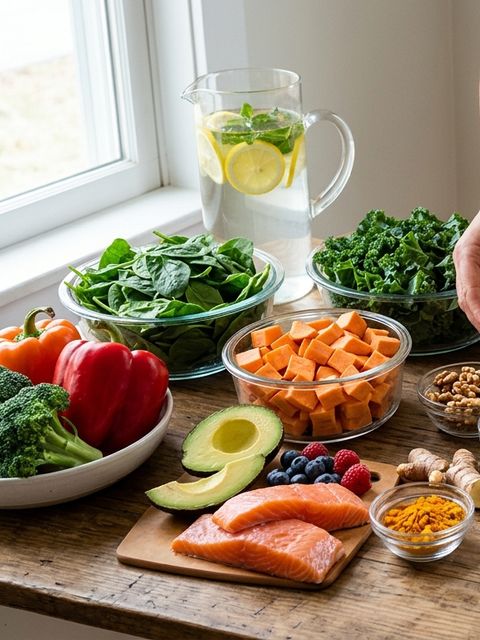
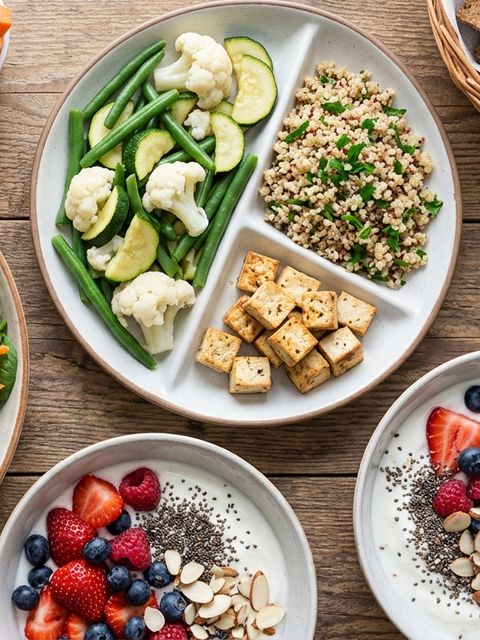
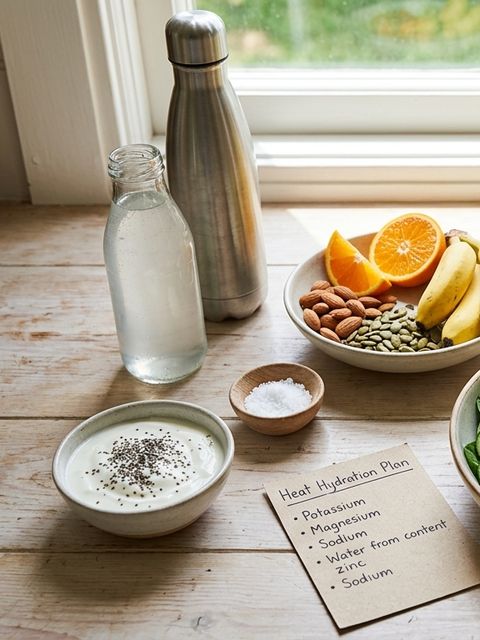
Individuals who have reached the age of 65 exhibit markedly distinct nutritional requirements compared to their younger adult counterparts, a divergence attributable to both progressive physiological alterations and the potential presence of chronic medical conditions. Optimal nutritional strategies for older adults must account for not only current health status and pharmacological interactions but also individual metabolic capacities and levels of physical activity. Among the most frequently diagnosed conditions in this demographic are cardiac insufficiency, hypertensive vascular disease, insulin resistance progressing to type 2 diabetes mellitus, skeletal demineralization (osteoporosis), and gastrointestinal functional disorders. Of particular significance is the rising incidence of malignant neoplasms, the management of which—encompassing surgical resection, radiotherapy, or chemotherapy—demands specialized dietary intervention frequently adjusted according to treatment phase and organismal response. A systematic reduction in sodium intake (primarily through elimination of ultra-processed foods) and pungent seasonings that may irritate mucosal surfaces is strongly advised. While the diet should prioritize digestibility, this does not necessitate exclusion of dietary fiber; on the contrary, appropriately prepared vegetables, fruits, and whole-grain products (such as cooked or puréed forms) provide essential vitamins, minerals, and prebiotic compounds. Consistent with general adult population guidelines, restriction of simple sugars and high-glycemic-index foods remains imperative. Lipids in the elderly diet should derive predominantly from premium plant-based sources—extra virgin olive oil, flaxseed oil, or nuts—which supply critical unsaturated fatty acids (including omega-3). A frequently overlooked yet vital consideration is maintenance of adequate hydration; age-related attenuation of thirst perception predisposes older individuals to dehydration, potentially culminating in severe complications, particularly during summer heatwaves. Continuous monitoring of fluid intake (including herbal infusions, vegetable broths, or diluted juices) is therefore indispensable.
You have started reading a PRO article
You can preview the first chapter. To read the complete article and unlock all content, upgrade to a PRO account.