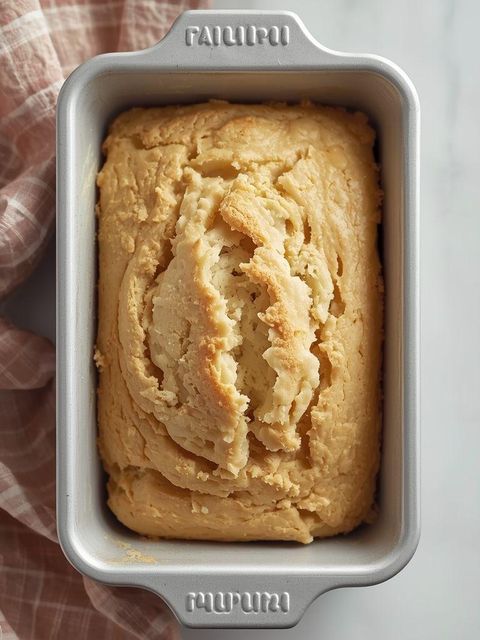
How to Prepare Bread? Sourdough and Yeast Bread… How to Make a Sourdough Starter for Bread?

Oliwia Kaczmarek
2026-03-22
6 min. read

1 / 1
1 zdjęcie
28
Bread is a product that was consumed in quantities of more than 45 kg per person according to the GUS ranking in 2015. Unfortunately, we are reaching for this food item less and less frequently over time, mainly due to changing taste preferences. Nevertheless, bread remains one of the most popular choices in stores. Unfortunately, a large portion of the bread offered by supermarkets and even bakeries consists primarily of a mixture whose composition is not fully known. It is worth learning more about this topic and attempting to prepare bread independently, which will fill our home with an unparalleled aroma and an unparalleled taste.
The definitive guide to homemade bread baking: From ingredients to perfect aroma and texture
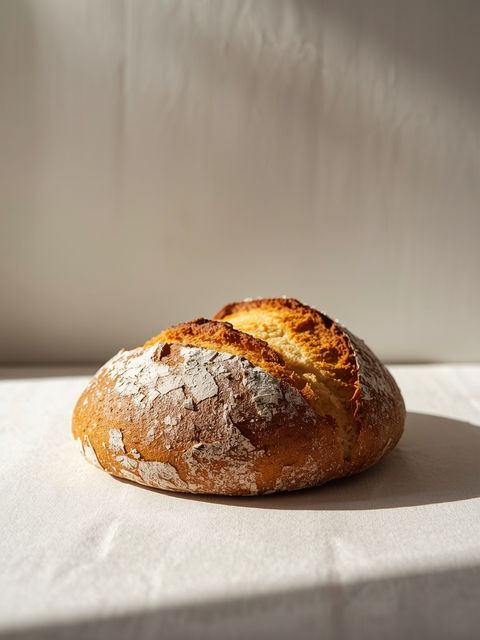
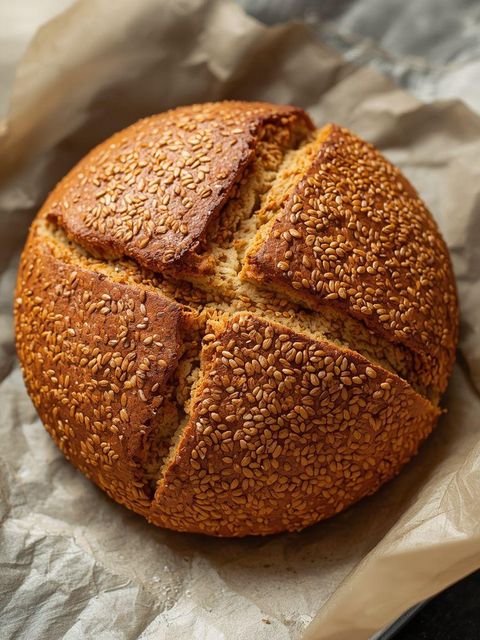
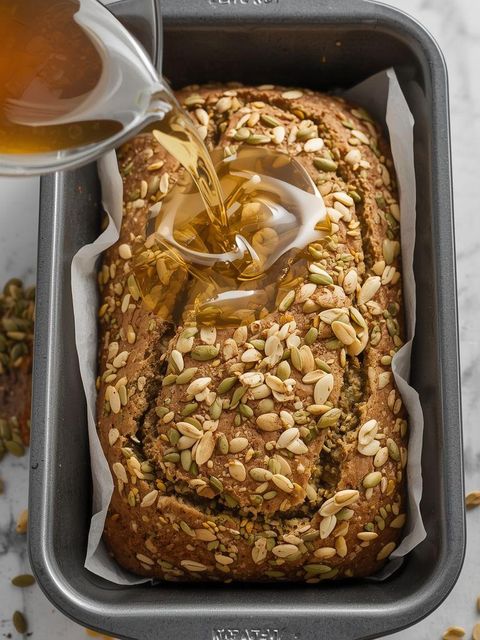
In response to the increasing prevalence of artificial additives in commercially produced bread, a growing number of individuals are turning to homemade baking as a healthier and more rewarding alternative. The primary advantage of this approach lies in complete control over the ingredients—from the quality of the raw materials to the absence of preservatives or flavor enhancers. Homemade bread is celebrated for its unparalleled taste and enticing aroma, which permeates the entire household, drawing in family members with its warmth. Knowledge about the craft can be sourced from a variety of mediums, including traditional cookbooks and online communities where passionate bakers share tried-and-tested recipes—ranging from classic variations to innovative creations enriched with unique additives. The foundational ingredients—flour, water, yeast or sourdough starter, and salt—serve as the canvas, while the possibilities for customization are virtually limitless. Dried fruits, nuts, seeds, or herbs can infuse the loaf with distinctive character. Black cumin (nigella seeds), in particular, is highly recommended not only for its aromatic depth but also for its health benefits, which elevate the bread’s nutritional profile. Opting for whole-grain, spelt, or rye flour increases fiber content and complex carbohydrates, making the bread suitable even for those managing diabetes. Precision is paramount during preparation, as any deviation from the recipe may compromise the final product. Key steps include gradually incorporating flour, thoroughly mixing ingredients (preferably by hand or with a wooden spoon), and allowing the dough to rest for approximately 20 minutes under cover. This resting period enables gluten relaxation, resulting in a smoother, more pliable dough that is easier to shape. Additional ingredients should be added only after this stage. Salt is introduced last, just before the dough is left to rise—longer rising times correlate with richer flavor development. Baking can be performed in a conventional oven or on a baking stone, which should be preheated for about 45 minutes to ensure optimal heat distribution. Once baked, the bread must cool completely at room temperature. This type of bread is also exceptionally well-suited for freezing, allowing for bulk preparation and long-term storage without sacrificing quality.
You have started reading a PRO article
You can preview the first chapter. To read the complete article and unlock all content, upgrade to a PRO account.