Fresh or Frozen – Which Vegetables Are More Beneficial for Our Health

Oliwia Kaczmarek
2026-03-22
7 min. read

1 / 1
1 zdjęcie
32
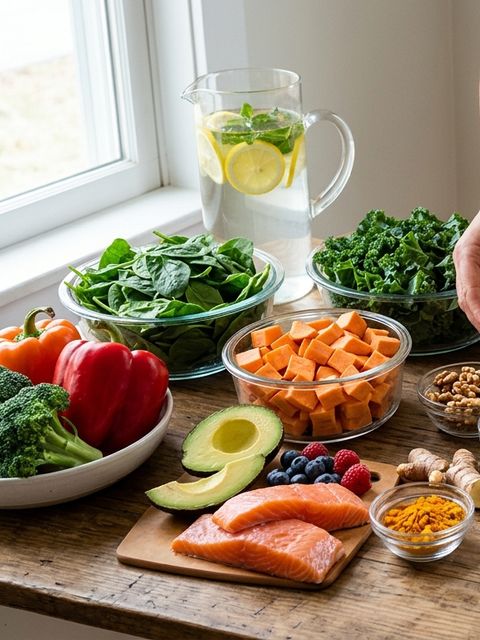
Vegetables are an essential component of a balanced diet, providing the body with necessary nutrients such as vitamins, minerals, antioxidants, and fiber, while enriching meals with flavor, aroma, and color. More and more people are now seeking quick and convenient solutions in the kitchen that promote health, such as using frozen vegetables instead of fresh. Both options – fresh and frozen vegetables – have their advantages and disadvantages. Making a conscious choice allows for the adaptation of the diet to individual preferences, health needs, and daily lifestyle.
Indispensable role of vegetables in nutrition
Vegetables play an indispensable role in a healthy diet by providing the body with necessary nutrients and supporting the maintenance of good health. They strengthen the immune, nervous, vascular, and bone systems, as well as support digestive processes, contributing to the prevention of many diseases, including cancer. Due to their high fiber content, vegetables help regulate blood glucose levels, support weight management, and provide a long-term feeling of satiety. Additionally, their low caloric density combined with their large volume makes them an ideal component of weight-loss diets (S. G. Mohammed, M. W. Qoronfleh 2020).
You have started reading a PRO article
You can preview the first chapter. To read the complete article and unlock all content, upgrade to a PRO account.