Flexitarianism - One of the Healthiest Forms of Nourishment

Oliwia Kaczmarek
2026-03-18
7 min. read

1 / 1
1 zdjęcie
89
Flexitarianism, alongside the Mediterranean diet and the DASH diet, is one of the healthiest forms of nourishment, and it is also environmentally friendly. It is not necessary to supply oneself with unusual, expensive ingredients, give up many product groups, or follow a strict regime, as is the case with many diets. But what is flexitarianism really about and what is its secret?
Flexitarianism - flexible dietary recommendations?
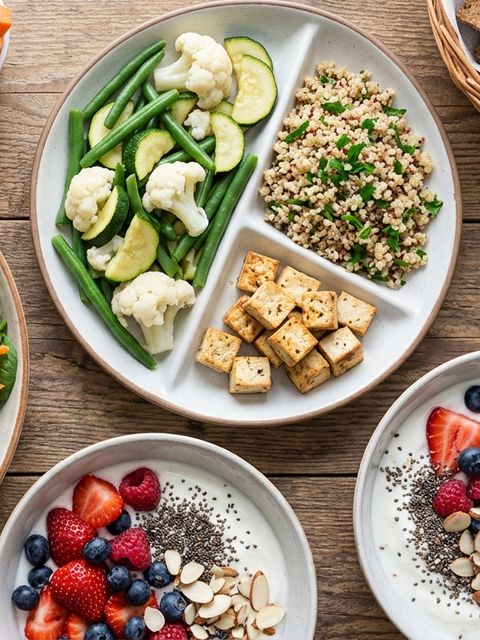
The term flexitarianism is derived from the English word 'flexible' and signifies a flexible vegetarianism. It is a dietary approach that assumes a restriction on the consumption of meat and sometimes other products of animal origin. The foundation of the diet consists of products of plant origin, and meat is consumed merely occasionally. There exist no clear-cut and rigid rules governing the quantity and type of animal products that can be consumed. Some describe flexitarianism as a diet in which 75% of animal products are replaced with plant-based food, while others believe that 2 out of 3 meals per day should be entirely vegan. These discrepancies highlight the flexibility of this dietary approach. Each individual can tailor the dietary guidelines according to their preferences.
You have started reading a PRO article
You can preview the first chapter. To read the complete article and unlock all content, upgrade to a PRO account.