Figs - Calorie Count, Nutritional Value, Attributes, Recipes

Isabella Taylor
2026-03-25
6 min. read
1 / 1
1 zdjęcie
1719
views
Tiny fig fruits weigh roughly 70 grams. Figs originate from the Arabian Peninsula and are a treasure trove of advantageous compounds that have an excellent impact on health and beauty. What are their nutritional properties? Is it beneficial to consume prevalent figs? In what way can they be utilized in the kitchen? What else can consistent consumption of these fruits bring us?
A concise description of the common fig
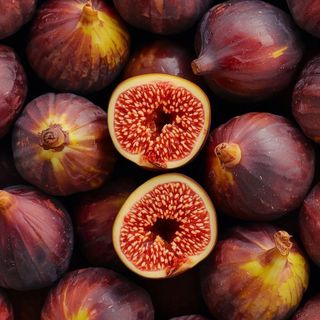
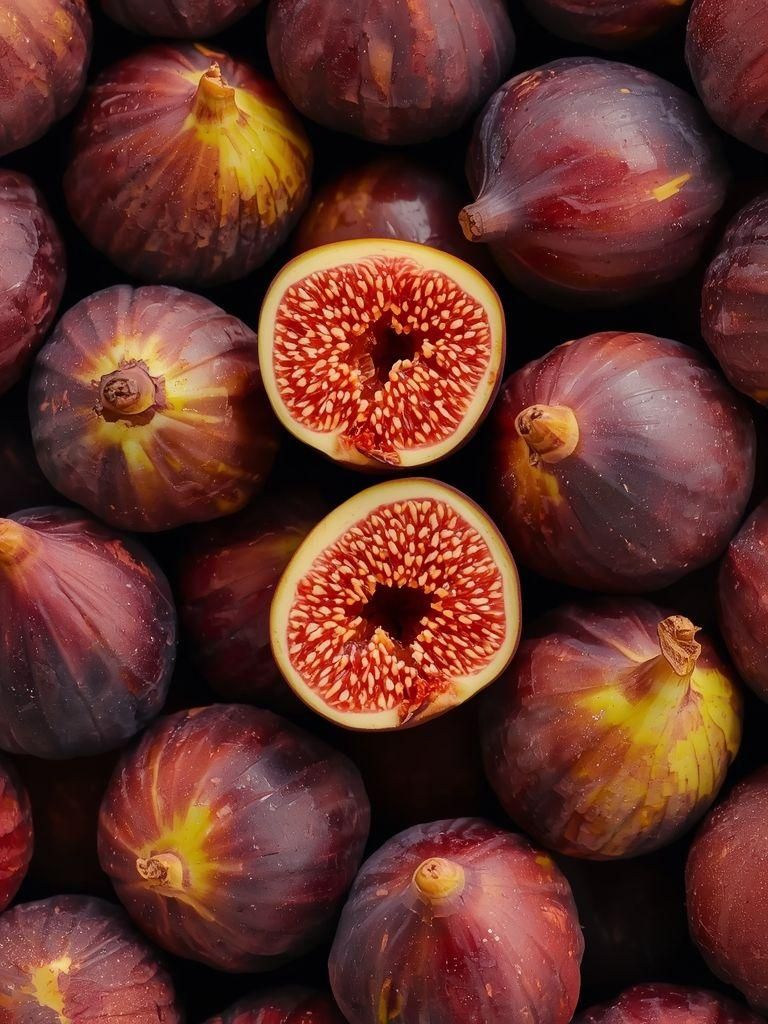
The common fig (Ficus carica) is a fruit from the mulberry family, native to the Arabian Peninsula and the Middle East, but also cultivated in Southern Europe and Asia Minor. There are several varieties of this fruit, such as Dalmatian figs, goat figs, also known as capryphs, which are not suitable for consumption, and Smyrna figs, considered to be of the highest quality. Common figs are dark purple, have the shape of an elongated pear, and are often covered with a white coating, which is sometimes mistakenly seen as mold. In reality, it is a sign of good quality fruit. Figs have a very sweet taste and a slightly bland aftertaste. They can be found on the market in fresh or dried form.
You have started reading a PRO article
You can preview the first chapter. To read the complete article and unlock all content, upgrade to a PRO account.