Dried tomatoes – in oil or without flood? How to prepare dried tomatoes

Sophia Williams
2026-03-23
7 min. read

1 / 1
1 zdjęcie
46
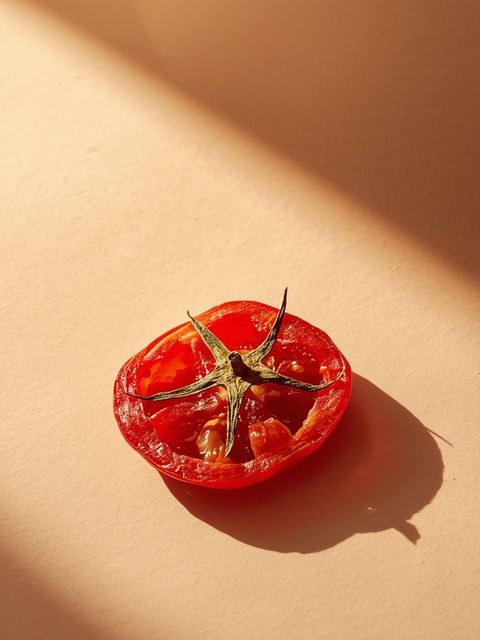
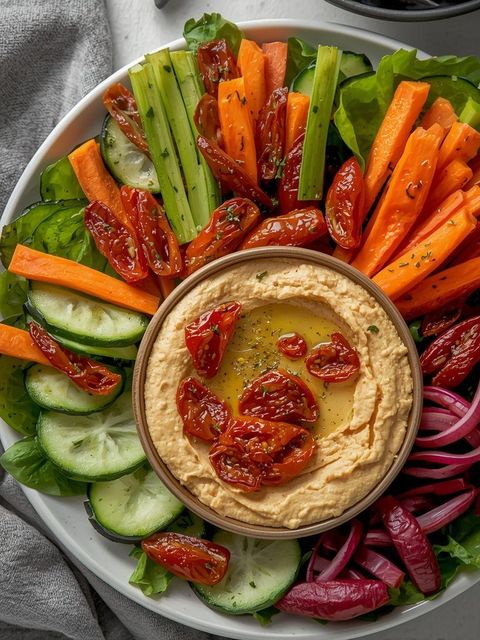
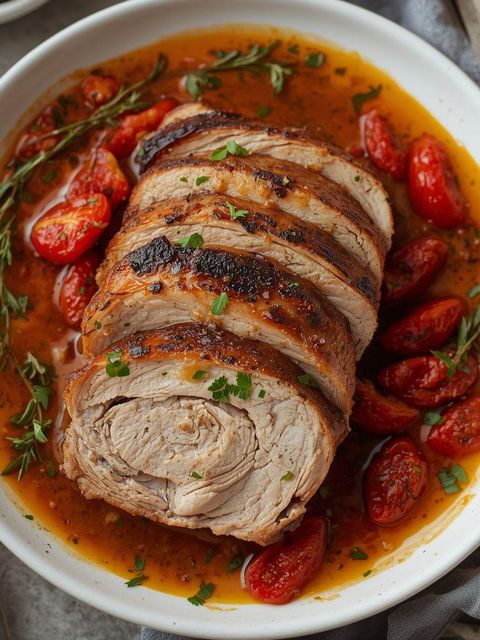
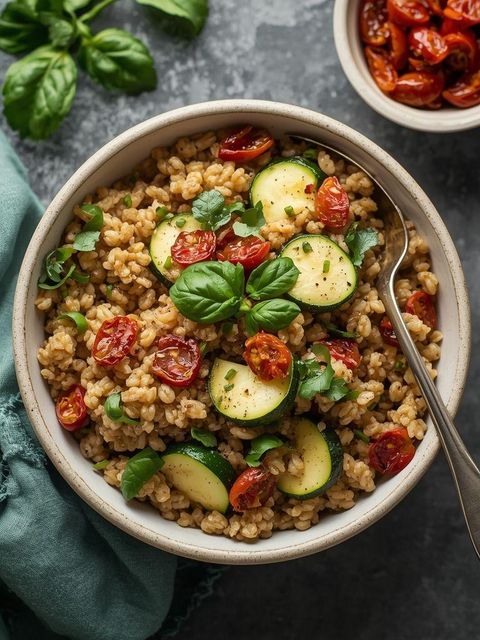
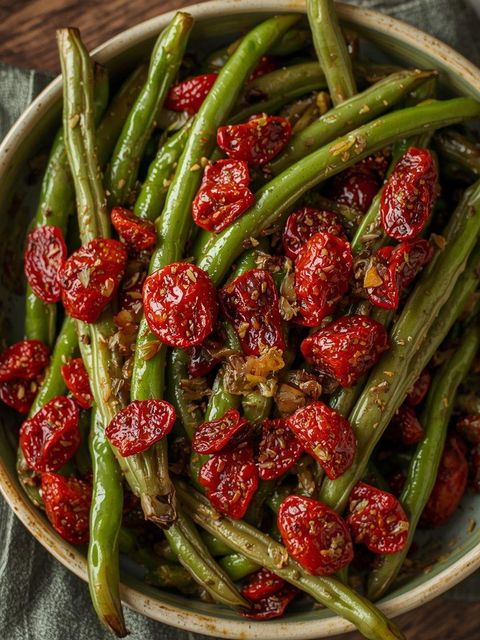
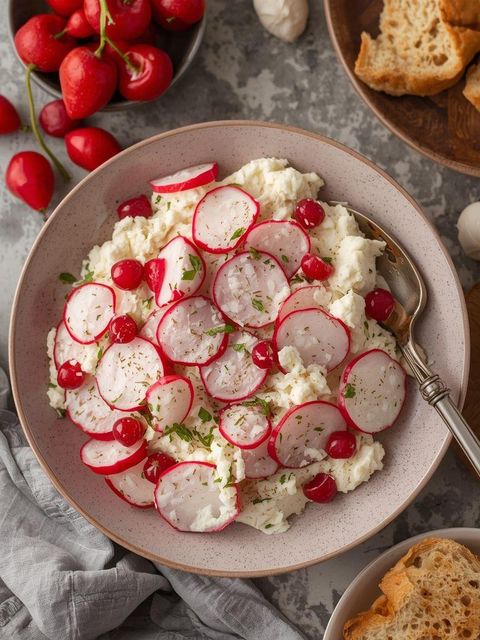
Dried tomatoes are not only a flavorful addition to dishes, but also an excellent source of bioactive ingredients such as vitamins and antioxidants. They can be used in many ways, for example as a side dish to meat, sauces, salads, and also to cheese and curd. Their flavor pairs exceptionally well with Mediterranean spices such as rosemary, thyme, and oregano, but also with local ones such as chives and parsley.
Sun-dried tomatoes – nutritional profile, health implications, and culinary applications
Drying represents one of the oldest and most effective food preservation techniques, involving the removal of the majority of moisture from plant tissues. The absence of water inhibits the proliferation of microorganisms such as molds and bacteria, thereby substantially extending the shelf life of the products. Additionally, the concentration of flavors in dried fruits and vegetables results in a more pronounced and robust taste profile—a characteristic particularly evident in tomatoes. Their rich, slightly sweet undertones are frequently employed in vegetarian cuisine as a substitute for smoked meats, though it is important to note that these two food categories exhibit fundamentally distinct nutritional compositions. The drying process also modifies nutrient bioavailability: while the content of certain antioxidants, including carotenoids (such as lycopene, the pigment responsible for the red hue), may decrease, their absorption by the human body is significantly enhanced. Lycopene, whose health benefits have been extensively documented in scientific research, demonstrates potential in prostate cancer prevention and may offer protective effects against osteoporosis. Furthermore, dried tomatoes provide a source of vitamin C—a potent antioxidant—as well as potassium, a mineral critical for optimal muscle function and cardiovascular health.
You have started reading a PRO article
You can preview the first chapter. To read the complete article and unlock all content, upgrade to a PRO account.
Tags