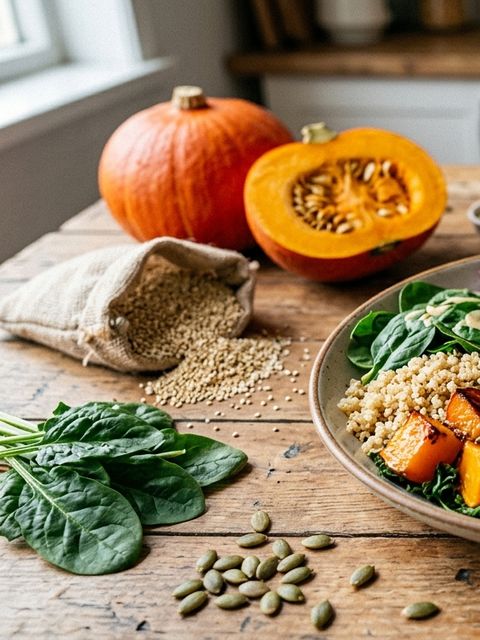
Dietary Treatment for Insulin Resistance

Tomasz Jankowski
2026-03-25
8 min. read


1 / 1
1 zdjęcie
1766
Insulin resistance is one of the major health problems in the modern world. It affects 25 to 35% of the population in Western countries (M. Mirabelli et al. 2020). If left untreated, it can lead to many metabolic disorders, including type 2 diabetes, cardiovascular disease, and even infertility. A carefully designed diet can help reduce the risk of developing insulin resistance and its exacerbation. What is insulin resistance? What should the diet look like in case of insulin resistance?
What is insulin resistance?
Insulin resistance (IO) is a state in which the body's cells exhibit a reduced sensitivity to insulin, resulting in elevated blood glucose levels despite normal or elevated insulin levels. There are two forms of insulin resistance: hepatic and muscular. Insulin is a hormone produced by the beta cells of the pancreas in response to food intake. Its primary function is to regulate blood glucose levels by introducing glucose into cells via insulin receptors. In the case of insulin resistance, cells do not respond to insulin, leading to a continuous rise in blood glucose levels and an inability to utilize it as an energy source. Consequently, the pancreas produces increasingly more insulin, exacerbating the cells' resistance to this hormone. An excess of insulin can lead to the development of overweight, obesity, non-alcoholic fatty liver disease, hypertension, lipid disorders, and infertility (Mirabelli et al., 2020).
You have started reading a PRO article
You can preview the first chapter. To read the complete article and unlock all content, upgrade to a PRO account.