The Viking diet - its principles and beneficial effects on health

Alicja Kowalska
2026-03-24
8 min. read
1 / 1
1 zdjęcie
2044
The life of the Vikings, long fascinating researchers and history enthusiasts, was characterized by daring expeditions and a distinctive lifestyle, including their diet. Contrary to popular stereotypes, they consumed a variety of products, and their diet was closely linked to the available natural resources. Vikings were farmers, livestock breeders, and fishermen, inhabiting the Scandinavian regions. In 2004, the so-called New Nordic Diet (NND) was developed based on their eating habits, with the aim of treating various ailments and environmental protection.
Fundamentals of the Viking diet
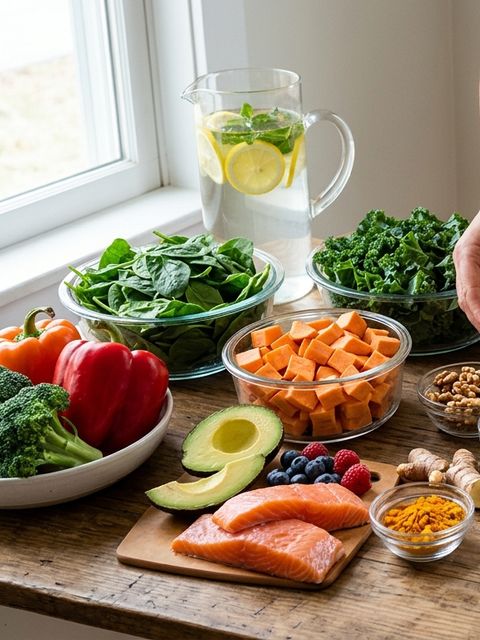
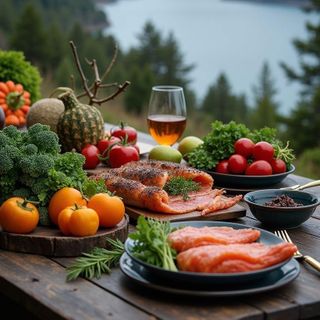
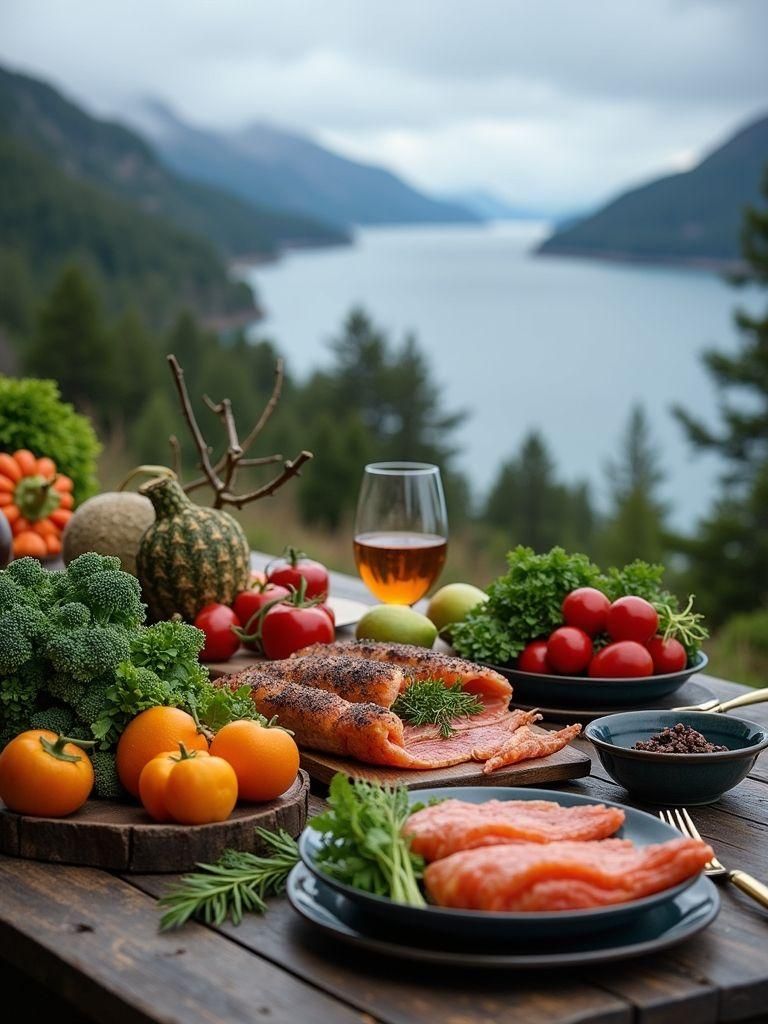
The primary features of the modern Nordic diet are its seasonality and regionality. The emphasis is on the consumption of fruits, vegetables, fish and meat that are available in a given period of the year. For instance, during summer one can focus on eating fresh strawberries, raspberries and tomatoes, while in winter it is better to pay attention to root vegetables and cabbage. NND also values regionality, which means that people should choose products from their own region or nearby areas. Consuming local products has many benefits, such as reducing carbon dioxide emissions related to food transportation and supporting local farmers and producers. Interestingly, this type of diet also takes into account cultural and regional differences, which allows preserving the diversity of culinary traditions. Meals tailored to local ingredients and customs can be more satisfying and delicious.
You have started reading a PRO article
You can preview the first chapter. To read the complete article and unlock all content, upgrade to a PRO account.