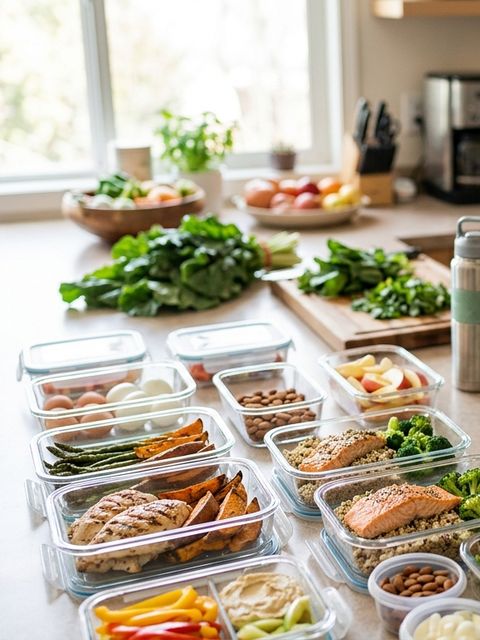
Consumer Recognition of the Food Waste Problem

Anna Schmidt
2026-03-25
7 min. read

1 / 1
1 zdjęcie
83
Excessive consumerism, insufficient skills related to shopping planning and efficient management of food supplies at home are recurring issues. Regrettably, the outcome of such behaviors is food waste. How can we as consumers support actions aimed at minimizing the disposal of surplus food? Contrary to popular belief, there are numerous methods!
Scale of the occurrence
The ongoing process of globalisation and civilisational progress worldwide are leading to an increase in the scale of food production, processing, and consumption, resulting in significant environmental impacts and waste management issues, which have a negative impact on the natural environment, the food economy, and, above all, on the health of society as a whole. According to the Food and Agriculture Organization (FAO), up to one-third of food produced is wasted every year. A significant proportion of food is already wasted in the production and distribution stages of food in shops, but the role of individual households in generating food waste is also significant. The report published in 2020 shows that losses of produced food from harvest to market arrival are around 14%. More than 2 billion people lack access to valuable, nutritious, and safe food, a significant portion of the population is starving, and at the same time, the number of obese people is increasing.
You have started reading a PRO article
You can preview the first chapter. To read the complete article and unlock all content, upgrade to a PRO account.