5 Recipes for Wholesome Salads

Tomasz Jankowski
2026-03-24
8 min. read

1 / 1
1 zdjęcie
2462
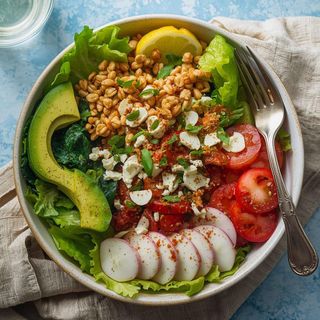
Salads are often associated with a restrictive diet and weight loss, something boring and unsatisfying – but it doesn't have to be that way. They can be the perfect meal for a quick breakfast, lunch at work, or a delicious dinner. They will also prove to be useful at various occasions. All that is required is to prepare them appropriately to provide all the necessary micro- and macronutrients. Or perhaps made from soy?
Salads as a complete meal
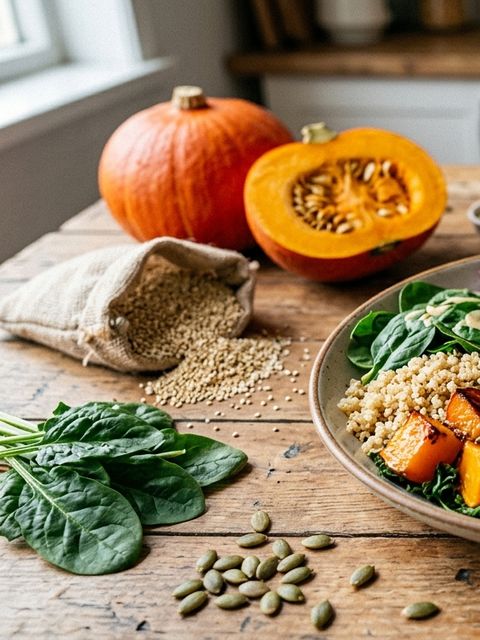
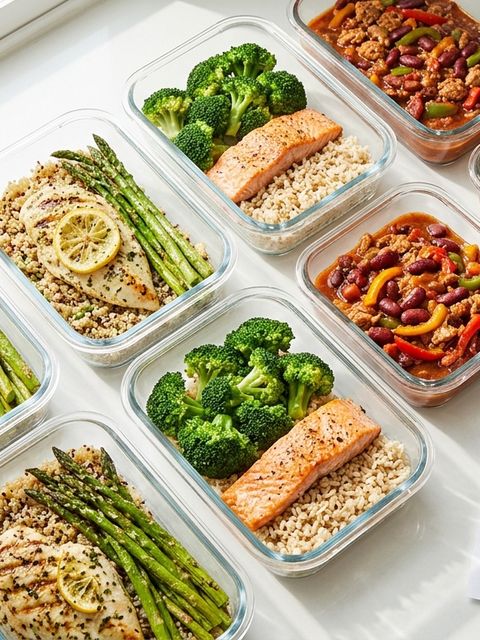
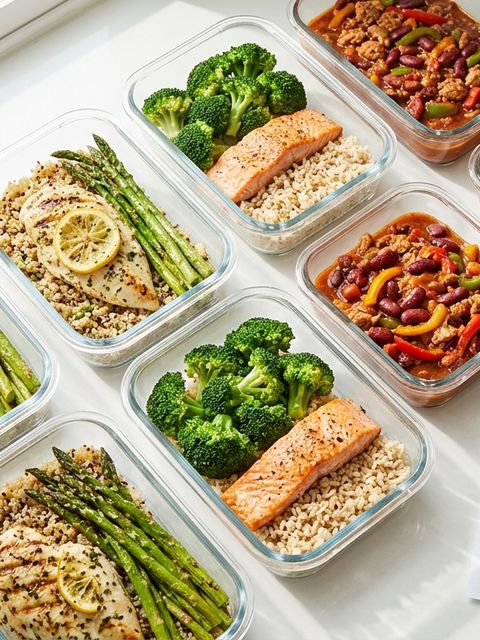
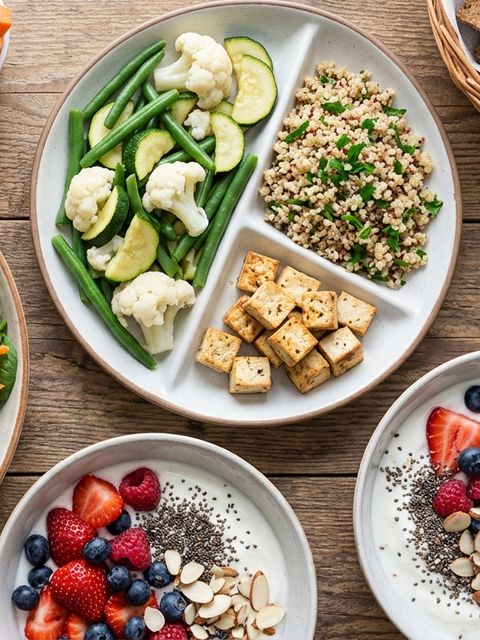
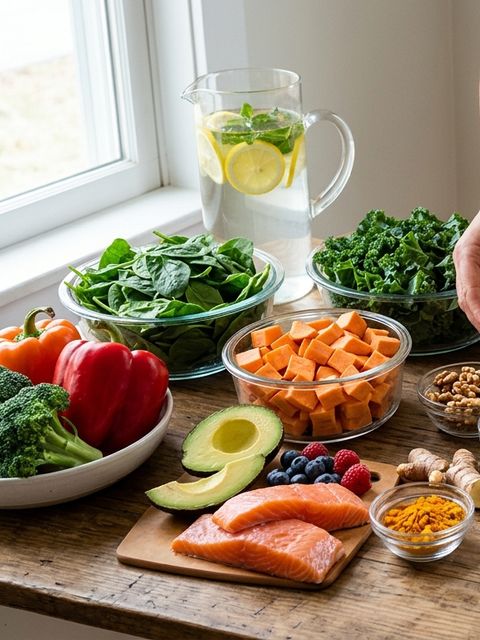
A balanced meal is composed of several elements which can be used to prepare a balanced, satiating meal in a quick and easy manner. These include: vegetables (potentially fruits) forming a foundation rich in vitamins, mineral components, and dietary fibers, complex carbohydrates (grain products) such as whole-grain bread, pasta, rice, and various types of grains, protein products, such as chicken or turkey breast, eggs, fish, legume seeds, or dairy products (e.g., cheese) that provide not only protein but also calcium, and sources of fat such as plant oils (e.g., olive oil, rapeseed oil, flaxseed oil), nuts, seeds, or avocado. Raw vegetables in salads are particularly recommended for individuals who: wish to maintain a healthy gut microbiota, aim to reduce body weight as a high fiber content ensures satiety and regulates intestinal peristalsis, or are malnourished as raw vegetables help replenish vitamin and mineral deficiencies in the body. Patients on a soft food diet should subject vegetables to thermal or mechanical processing, which means boiling, mashing, baking or mixing them.
You have started reading a PRO article
You can preview the first chapter. To read the complete article and unlock all content, upgrade to a PRO account.