10 Recipes for Dishes with Fresh Strawberries

Tomasz Jankowski
2026-03-21
8 min. read

1 / 1
1 zdjęcie
2520
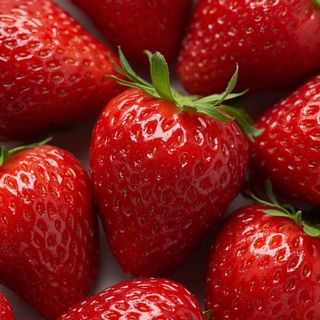
Strawberries are the most anticipated fruit of the season. Up to 65% of Poles eagerly anticipate their unique taste. Strawberries were formed by crossing two varieties of strawberries - Chilean and Virginian. However, this does not imply that they are less valuable than other fruits. On the contrary, strawberries contain antioxidants, vitamins C, K, A, E, B1, B2, B3, biotin, and folic acid, as well as mineral components - potassium, calcium, magnesium, and manganese. 100 g of strawberries provide 62 mg of vitamin C (about 83% of daily requirement).
Strawberries and Wellbeing
Due to their high water content, specifically 89.5 g/100 g, and the presence of strawberries' dietary fiber, they possess a low glycemic index of 41. Their high nutritional value renders them recommended for the prevention of numerous health conditions. Consuming 100 g of strawberries delivers: 32 kcal, 0.8 g of protein, 0.4 g of fat, 5.5 g of carbohydrates (including 2.2 g of glucose and 2.3 g of fructose), 1.63 g of fiber. The large dose of vitamin C in conjunction with polyphenols enhances the body's immune response, favorably impacts vision, and decelerates aging processes. Polyphenols, primarily in the form of anthocyanins, cause blood vessel relaxation, consequently decreasing blood pressure. Strawberries should be incorporated into the diets of individuals susceptible to cardiovascular diseases. The fiber, folates, and vitamin C contained within them aid in lowering total cholesterol and LDL fraction. Consuming half a cup of strawberries at least three times a week can potentially reduce heart attack risk by up to 34%. Given their low glycemic index, strawberries can form part of a diabetic's diet. They also prove beneficial during weight loss, being a low-calorie food. Nevertheless, it's important to remember that strawberries are seasonal fruits, offering the highest nutritional value for a brief period annually. Out-of-season fresh fruits often lack taste, aroma, and health benefits. The most effective method of preserving them is freezing, during which minimal vitamin and polyphenol losses occur. When opting for store-bought frozen strawberries, ensure the package contents are loose. Fruits frozen into a single block suggest improper storage or repeated freezing, which lowers their quality. Interestingly, strawberry leaves are edible and can be used to prepare a tea with anti-diarrheal and anti-inflammatory properties.
You have started reading a PRO article
You can preview the first chapter. To read the complete article and unlock all content, upgrade to a PRO account.