Nahrungsmittelallergien – Wie man sich vor ihnen schützt

Wojciech Wiśniewski
2026-03-18
8 Min. Lesezeit


1 / 1
1 zdjęcie
2205
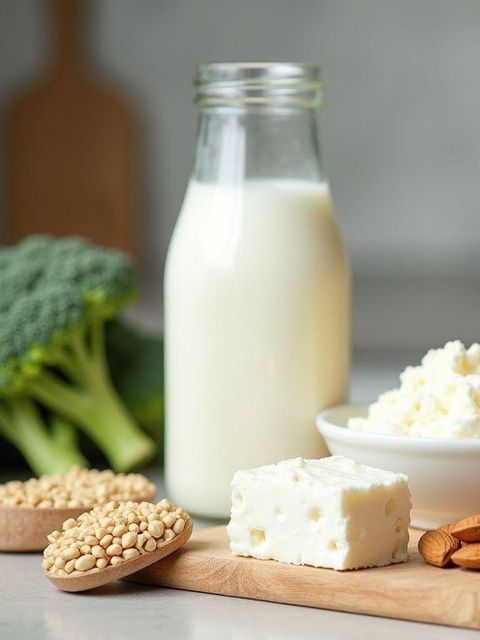
In den vergangenen zwanzig Jahren ist eine deutliche Zunahme von Fällen von Nahrungsmittelallergien verzeichnet worden. Aktuell betrifft das Problem allergischer Reaktionen auf Nahrungsmittel etwa 10% der Bevölkerung. Nahrungsmittelallergien können in allen Altersgruppen auftreten, sind jedoch am häufigsten bei Kindern (6-8%) zu beobachten. Die häufigste allergische Reaktion bei Kindern ist auf Milch und Milchprodukte zurückzuführen. Eine mögliche Ursache für den plötzlichen Anstieg von Störungen des Immunsystems könnte eine Störung des Gleichgewichts der Darmflora sein. Ist eine Eliminationsdiät ein wirksamer Weg, um Nahrungsmittelallergien zu bekämpfen? Wie kann man eine Nahrungsmittelallergie erkennen? Ist es möglich, eine Allergie zu heilen? Kann man dem Auftreten von Allergien vorbeugen?
Identifying and Defining Food Allergy: Classification, Symptoms, and Causes
Food allergy is a set of symptoms that occur as a result of an overly intense reaction of the immune system to a specific allergen, which is food. The immune response is inappropriate and disproportionate to the stimulus that caused it. It can be caused, among other things, by excessive cleanliness and living in an overly sterile environment, in which less contact with parasites, bacteria, and fungi does not adequately stimulate the body and causes it to react too strongly to potentially harmless stimuli. A study published in the New England Journal of Medicine in 2011 found that children living in the countryside have allergies less frequently (due to the greater biological diversity and lower environmental pollution) compared to children living in cities. Two types of allergies are distinguished: IgE-dependent and IgE-independent. IgE (immunoglobulin E) is a class of antibodies that "fight" against the allergen after its entry into the body. The symptoms of IgE-dependent allergy usually appear immediately (on average, it is from a few minutes to a maximum of 2 hours) after consuming the allergen, even if it is in small amounts. In the case of delayed allergy (delayed IgE-independent food allergy), symptoms appear with a significant delay - they may occur a few hours or even days after eating food. Food allergy should not be confused with food intolerance, as they arise through different mechanisms, manifest themselves differently, and have different effects on health.
Sie haben begonnen, einen PRO-Artikel zu lesen
Sie können das erste Kapitel lesen. Um den gesamten Artikel zu lesen und alle Inhalte freizuschalten, wechseln Sie zum PRO-Konto.