The Oatmeal Diet – Phases, Nutritional Profile, Risks, and Recipes

| Diets Premium Expert Laura Schneider | min read 5 min | Scientifically reviewed by a clinical dietitian 23.10.2026 |
Smart Voice
•Listen to the article content live
Whole oats are celebrated as a premier superfood rich in beta-glucans and essential minerals. However, when formulated as a rigid mono-diet, the oatmeal diet presents nutritional imbalances. This guide explores the biochemical attributes of oats, the diet's structured phases, and clinical critiques.
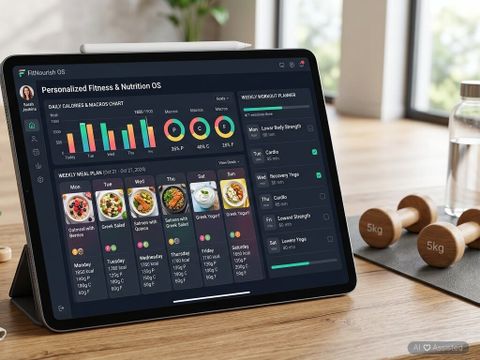
Want to apply these guidelines in your daily diet?
Our smart diet generator creates a tailored meal plan in 3 minutes based on the recommendations in this article.
Phases of the Oatmeal Diet
The traditional oatmeal regimen follows a progressive triphasic framework:
- Phase 1 (Strict Induction, Days 1–7): Consuming exclusively whole rolled oats prepared in water or skim milk across all daily meals (approximately 1,000–1,200 kcal/day).
- Phase 2 (Reintroduction, Days 8–30): Oats anchored across three meals, supplemented with half a cup of whole fresh fruit or steamed greens per serving.
- Phase 3 (Maintenance): Oatmeal retained as a core breakfast staple while transitioning remaining meals to a balanced Mediterranean-style template.
Biochemical Attributes and Beta-Glucans
Oats owe their primary therapeutic status to dense concentrations of soluble prebiotic fibers, specifically beta-glucan:
- In the intestinal lumen, beta-glucan hydrates into a viscous gel matrix that slows gastric emptying and prolongs mechanical fullness.
- It binds luminal bile acids, prompting the liver to upregulate LDL receptor clearance to replenish hepatic bile pools, thereby lowering serum cholesterol.
- It blunts postprandial glucose absorption, stabilizing insulin demand.
Nutritional Density of Rolled Oats (Per 100 g)
100 grams of whole rolled oats supply approximately:
- Energy: 375 kcal
- Protein: 13.0 g of plant protein
- Carbohydrates: 59.0 g (with less than 1.0 g free sugars)
- Dietary fiber: 10.5 g (including ~4.5 g soluble beta-glucan)
- Lipids: 6.8 g (rich in oleic and linoleic fatty acids)
- Micronutrients: Abundant manganese, magnesium (135 mg), iron (4.5 mg), and zinc (3.1 mg).
Clinical Evaluation and Risks of Oatmeal Monodiets
While clinical nutritionists celebrate oats as a cardiovascular superfood, single-food mono-diets are strictly discouraged:
- Micronutrient gaps: Deficits in vitamin B12, vitamin C, calcium, and heme iron occur during extended unsupplemented phases.
- Phytic acid binding: Dense phytic acid can impair intestinal absorption of divalent minerals like zinc and iron if oats are consumed exclusively.
- Digestive distress: Abruptly escalating daily fiber beyond 60 grams triggers bloating and cramps.
Clinical verdict: Oats are a foundational functional food best enjoyed within a varied, balanced lifestyle.
Healthy Oat Recipes: Protein Porridge & Overnight Oats
Two balanced, satiating culinary preparations for busy mornings:
Creamy Berry Protein Porridge
Ingredients: 50 g rolled oats, 200 ml unsweetened almond milk, 100 g Greek yogurt or vanilla protein powder, handful fresh blueberries, 1 tsp chia seeds, pinch of cinnamon.
Preparation: Simmer oats with almond milk and cinnamon for 3–4 minutes. Remove from heat, fold in yogurt/protein powder, and top with antioxidant-rich blueberries and chia seeds.
Apple & Walnut Overnight Oats
Ingredients: 50 g oats, 150 g kefir or Greek yogurt, 1/2 grated apple, 1 tbsp crushed walnuts.
Preparation: Combine ingredients in a jar and refrigerate overnight. Enjoy chilled for sustained energy and prebiotics.
Tags

Laura Schneider
✓Diets Premium Expert
Diets Premium team expert. Specializes in nutrition plans, strength sports, and training plans.
View Profile →