PRO
7 min read
Nutrition for Crohn’s Disease

Olivia Davis
✓
Diets Premium Expert • 25.09.2026
✓
Scientifically reviewed by a clinical dietitian:
This article has been peer-reviewed for adherence to IŻŻ, WHO, and PTGiP clinical nutritional standards.
| Diets Premium Expert Olivia Davis | min read 7 min | Scientifically reviewed by a clinical dietitian 25.09.2026 |

Smart Voice
•Listen to the article content live
0:00
/
0:00
Key Takeaways
Diet plays a highly significant role in the treatment of digestive system ailments, including Crohn's disease. However, does a suitable nutrition plan exist that could aid the healing process of this specific condition?
Meal Plan
Want to apply these guidelines in your daily diet?
Our smart diet generator creates a tailored meal plan in 3 minutes based on the recommendations in this article.
PRO Content
PRO
This article is professional premium content (PRO) provided in its entirety.
Crohn’s disease: essential clinical overview and diagnostic considerations
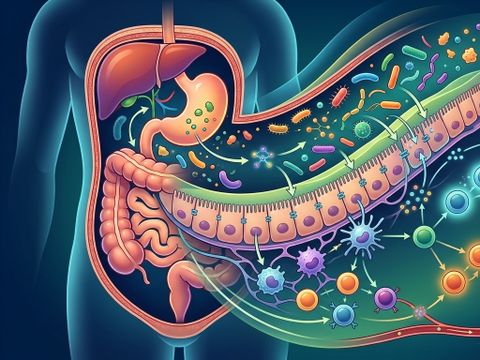
Crohn’s disease represents a chronic, progressive inflammatory condition primarily affecting the gastrointestinal tract, with a particular predilection for the small and large intestines. Its prevalence has been steadily increasing over recent decades. While the precise etiology remains elusive, contemporary research implicates a multifactorial origin, with key contributing elements including:
– immunological dysregulation resulting in autoimmune-mediated tissue damage,
– alterations in the composition and function of the gut microbiome,
– genetic predisposition supported by familial clustering studies,
– environmental triggers such as dietary patterns, tobacco exposure, or chronic stress.
The disease most commonly manifests between the ages of 16 and 25, though late-onset cases are also documented. Diagnostic protocols rely heavily on endoscopic evaluation with mucosal biopsy sampling for histopathological examination. A non-invasive surrogate marker, fecal calprotectin, serves as a valuable indicator—elevated levels correlate with active intestinal inflammation and ulcerative lesions.
Clinical presentations typically include persistent diarrhea, recurrent abdominal pain of varying severity, and substantial unintentional weight loss. Due to the non-specific nature of these symptoms, diagnosis is frequently delayed, thereby increasing the risk of severe complications such as bowel obstruction, fistula formation, or malnutrition. Management of Crohn’s disease necessitates a prolonged, multidisciplinary approach focused on symptom alleviation and prevention of flare-ups. Although current therapeutic modalities—encompassing immunosuppressive pharmacotherapy, dietary modifications, and surgical interventions in advanced cases—can significantly enhance quality of life, they do not offer a definitive cure. Conversely, the absence of treatment may lead to disease progression with potentially life-threatening consequences.
Given the profound impact on occupational performance, educational attainment, and social engagement, the implementation of a personalized treatment regimen is critical to optimizing patient functionality and mitigating symptom burden in daily life.
Therapeutic management of Crohn’s disease: current approaches and emerging treatment modalities
Early detection of Crohn’s disease facilitates the initiation of more effective therapeutic interventions while substantially reducing the likelihood of severe complications. Contemporary medical practice primarily relies on pharmacological and biological therapies, with tumor necrosis factor (TNF) inhibitors, thiopurine-based medications, and methotrexate being among the most frequently prescribed agents. Emerging research, including findings by Sulz et al. (2020), highlights the potential of nanoparticle-based treatments to decrease hospitalization rates. Given the heterogeneous and multifaceted nature of the disease, treatment regimens are highly individualized, taking into account factors such as symptom severity, patient age, comorbid conditions, prior treatment efficacy, existing complications, and modifiable risk factors—particularly tobacco smoking, which exacerbates disease progression. Nevertheless, despite advancements in medical science, therapeutic options remain limited, necessitating ongoing research into novel interventions. In cases of pharmacotherapy resistance, surgical procedures often become unavoidable. Additionally, considering the disease’s gastrointestinal impact, a personalized dietary approach is critical, although standardized nutritional guidelines are currently lacking. Several dietary strategies, however, show promising potential in augmenting conventional treatment protocols.
Specific carbohydrate restriction as a dietary intervention in Crohn’s disease: principles and clinical outcomes
Among the dietary interventions employed to manage Crohn’s disease, the specific carbohydrate diet (SCD) has emerged as a prominent approach, centered on the exclusion of complex polysaccharides found in whole grains and starchy foods, as well as the disaccharide lactose present in dairy products. While its highly restrictive nature poses challenges for long-term adherence, the therapeutic outcomes observed in clinical settings are noteworthy. Research conducted primarily in pediatric populations (e.g., Cohen et al., 2014) demonstrated significant improvements in mucosal healing and symptom reduction after just 12 weeks, with sustained benefits persisting through 52 weeks of follow-up. Subsequent studies (Burgis et al., 2016) corroborated these findings, though they emphasized the need for expanded investigations—particularly among adult patients and in advanced disease stages. The diet mandates meticulous meal planning and the avoidance of processed foods, which may present practical difficulties for some individuals.
Inflammatory bowel disease management: Evaluating the Mediterranean dietary pattern in Crohn’s disease patients
The Mediterranean dietary pattern, widely acknowledged by nutritional scientists as one of the most salutary global eating frameworks, extends its beneficial effects far beyond cardiovascular protection—emerging evidence increasingly highlights its capacity to modulate inflammatory pathways and foster gut microbial diversity. Comprehensive systematic reviews (including the seminal work by Mizgier et al., 2010) alongside longitudinal clinical trials (such as the 2013 intervention study by Marlow and colleagues) demonstrate that sustained adherence to this diet for a minimum of six weeks can substantially attenuate gastrointestinal inflammatory markers—a finding of particular significance for chronic autoimmune conditions like Crohn’s disease. Complementary research by Papada’s team (2020) further corroborates these physiological improvements with patient-reported outcomes, documenting enhanced quality of life metrics and reduced digestive symptom burden. This plant-centric nutritional approach—founded upon abundant consumption of leafy vegetables, berry fruits, and whole grains; daily incorporation of monounsaturated fats (primarily extra-virgin olive oil); and stringent limitation of ultra-processed foods—proves most efficacious during remission phases or among individuals with mild clinical presentations. The updated Mediterranean dietary pyramid (Wnęk, 2021) prescribes the following consumption frequencies: vegetables (including legumes) and fruits as the cornerstone of every meal; whole grains and unrefined plant oils daily; nuts, seeds, and fatty fish (rich in omega-3 fatty acids) at least three to four times weekly; lean poultry, eggs, and cultured dairy products in moderation (two to three servings per week); while red meat, highly processed items, and simple sugars should constitute no more than 5% of total caloric intake, with consumption limited to no more than once every ten days.
The low-FODMAP dietary approach in Crohn’s disease: current evidence and therapeutic potential
The low-fermentable oligo-, di-, monosaccharide and polyol (FODMAP) dietary protocol was initially developed by researchers at Australia’s Monash University as a targeted nutritional intervention for individuals with irritable bowel syndrome (IBS). Given its demonstrated efficacy in alleviating IBS-related symptoms, this approach is now being explored as a potential adjunctive strategy for managing Crohn’s disease. The core tenet involves a structured two-phase process: an initial elimination phase during which high-FODMAP foods are systematically removed, followed by a methodical reintroduction phase designed to pinpoint personal tolerance thresholds. While clinical investigations remain limited in scope, preliminary findings suggest promising outcomes—among a cohort of 52 Crohn’s patients, 50% experienced a reduction in the frequency of abdominal pain, diarrhea, and bloating (Popa et al., 2020), though constipation rates remained unaffected. Patients, however, report significant implementation challenges, including the elevated cost of compliant food items, the necessity for self-prepared meals, and difficulties in maintaining nutritional adequacy. Longitudinal studies validating sustained therapeutic benefits are still lacking.
Crohn' s disease effective dietary interventions
Unfortunately, the treatment methods do not guarantee full recovery and in many cases surgical intervention is still necessary. There are several dietary models whose use may have certain benefits, but the most important nutritional principle is individual menu selection. It all depends on the severity of symptoms, the disease characteristics, and the tolerance to the given products. In addition to the above three dietary patterns, there are a few less complete dietary changes which also appear to have a positive effect on the health benefits of fat-soluble foods, and it is not necessary to include them in the diet.
Tags

Olivia Davis
✓Diets Premium Expert
Diets Premium team expert. Specializes in nutrition plans, strength sports, and training plans.
View Profile →