CLINICAL KNOWLEDGE MAGAZINE
5 min read
Hidden Dysphagia – Recognition, Treatment, Diet

Tomasz Jankowski
✓
Diets Premium Medical Expert • 25.09.2026
✓
Scientifically reviewed by a clinical dietitian:
This article has been peer-reviewed for adherence to IŻŻ, WHO, and PTGiP clinical nutritional standards.
| CLINICAL KNOWLEDGE MAGAZINE CLINICAL KNOWLEDGE MAGAZINE | min read 5 min |
| Diets Premium Medical Expert Tomasz Jankowski | Scientifically reviewed by a clinical dietitian 25.09.2026 |

Smart Voice
•Listen to the article content live
0:00
/
0:00
Key Takeaways
A hidden swallowing disorder is a type of uncontrolled, long-lasting, and painful muscle contractions and cramps that result from neuromuscular excitability disorders, commonly associated with calcium deficiency and accompanying magnesium and potassium deficits. However, there is a form of this disorder that does not show such specific symptoms but can still be dangerous to health.
Meal Plan
Want to apply these guidelines in your daily diet?
Our smart diet generator creates a tailored meal plan in 3 minutes based on the recommendations in this article.
Latent tetany: An inconspicuous underlying cause of neuromuscular and metabolic disturbances
This represents a pathophysiological condition in which, upon exposure to external triggers—such as acute psychological stress, physical exertion, or hormonal fluctuations—individuals experience episodic, painful skeletal muscle spasms alongside systemic manifestations. The underlying cause is an imbalance in ionic homeostasis, primarily hypomagnesemia (magnesium deficiency), frequently accompanied by respiratory hyperventilation (chronic rapid and deep breathing patterns). The diagnostic challenge arises from the absence of distinctive clinical markers at rest; symptoms only emerge under provocative stimuli. Patients commonly report persistent fatigue, depressed mood, stuttering episodes, anxiety attacks, recurrent tension-type headaches, generalized hyperhidrosis, sinus tachycardia, paresthesias in the upper and lower extremities, facial and lingual numbness, and gastrointestinal dysfunction (intestinal motility disorders, nausea). As demonstrated by Kołłątaj et al. (2018), this condition often goes unrecognized due to its nonspecific and multisystemic symptom presentation.
Diagnostic approaches for identifying latent tetany: from laboratory assays to clinical provocative testing
The diagnosis of classical tetany relies primarily on biochemical assays demonstrating hypomagnesemia, hypocalcemia, or hypokalemia, alongside disruptions in calcium-phosphate homeostasis. However, the latent variant presents a diagnostic challenge, as laboratory findings frequently fail to reveal significant deviations from reference ranges. Under such circumstances, the **electromyographic tetany test** assumes critical importance, though its limited accessibility and substantial cost often preclude its use. As a viable substitute, **provocative clinical maneuvers** are employed, including Chvostek’s sign (percussion of the facial nerve triggering involuntary muscle twitching), Trousseau’s sign (ischemic compression via a blood pressure cuff inducing carpal spasm), and Lust’s sign (tapping the common peroneal nerve eliciting peroneal muscle contraction and foot abduction). While less precise, these tests facilitate the detection of subclinical neuromuscular hyperexcitability (Góralska et al., 2017).
Comprehensive therapeutic approaches for managing latent tetany: an integrative diagnostic and treatment framework
The management of latent tetany necessitates a personalized therapeutic approach centered on pinpointing the underlying causative factors of the disorder. The cornerstone of treatment involves the structured supplementation of critical micronutrients—specifically magnesium ions, calcium compounds, and the bioactive form of vitamin D (cholecalciferol)—to restore ionic equilibrium and optimize cellular metabolic function. Complementing pharmacological interventions is essential multidisciplinary care, encompassing consultations with a neurologist (to address potential neurovegetative symptoms), an endocrinologist (for hormonal dysregulation assessment), and a psychiatrist or clinical psychologist. The involvement of mental health specialists is particularly crucial due to the high prevalence of affective disturbances—such as generalized anxiety episodes, persistent depressive disorder, or cyclical mood fluctuations—which can significantly impair patient functionality. Within a comprehensive treatment framework, the integration of pharmacological agents (e.g., anxiolytics or mood stabilizers) with evidence-based psychotherapeutic modalities is recommended, including cognitive behavioral therapy or biofeedback-assisted relaxation techniques. Systematic evaluation of biochemical markers (e.g., electrolyte levels, inflammatory indicators) alongside continuous clinical monitoring facilitates dynamic adjustment of the therapeutic regimen, which is pivotal for achieving sustained remission. Long-term patient management, founded on interdisciplinary collaboration, constitutes the bedrock of effective disease control and enhanced quality of life (adapted from Myśliwiec, 2017, incorporating contemporary clinical guidelines).
Nutritional management guidelines for subclinical tetany associated with magnesium deficiency
The cornerstone of dietary intervention strategies aimed at alleviating symptoms of subclinical tetany lies in ensuring an optimal intake of trace elements, most critically magnesium—a cation indispensable for maintaining the structural integrity of biological membranes and regulating ionic equilibrium across intracellular and extracellular compartments. Deficiency in this mineral predisposes individuals to heightened neuromuscular excitability and metabolic dysfunctions linked to impaired electrolyte transport through cellular barriers.
Which factors determine the efficiency of magnesium absorption by the human body?
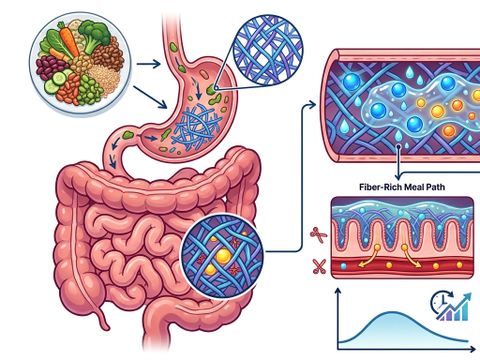
Magnesium demonstrates the highest bioavailability when sourced from natural food origins; however, supplemental intake often becomes necessary in numerous scenarios. To enhance the absorption process of this critical micronutrient, it is imperative to maintain adequate levels of B-complex vitamins—particularly B6—as well as vitamin D3, since deficiencies in these compounds substantially reduce absorption efficiency. Beneficial adjustments may also include enriching one’s diet with fermented products such as pickled vegetables, unsweetened natural yogurts, or kefir, alongside increasing the consumption of animal-derived protein, lactose, and polyunsaturated fatty acids. Concurrently, excessive intake of saturated fats, simple sugars—especially glucose—and an overabundance of dietary fiber should be avoided, as these components may impede the optimal absorption of magnesium.
Dietary Sources of Magnesium: Nutrient-Rich Foods and Their Physiological Importance
Magnesium is abundantly present in whole-grain cereal products, including whole-wheat bread, brown rice, and rolled oats, which serve as primary dietary sources of this essential mineral. Rich concentrations are also found in various nuts—such as almonds, walnuts, and cashews—as well as seeds (e.g., pumpkin, sunflower, and sesame seeds). Legumes (lentils, beans, peas), leafy green vegetables (including spinach, Swiss chard, and kale), and animal-derived foods like cottage cheese, aged cheeses, and marine fish—particularly Atlantic salmon, mackerel, and sardines—further contribute to magnesium intake. Notably, research indicates that highly mineralized drinking water, especially with magnesium concentrations exceeding 50 mg/L, can serve as a significant supplementary source of this nutrient (Gröber et al., *„Magnesium in Prevention and Therapy“*, 2015).
The pivotal role of calcium and potassium in electrolyte disorder management – why they cannot be overlooked
Within the comprehensive therapeutic approach to tetany management, restoring electrolyte homeostasis—beyond magnesium—emerges as a critical objective, wherein adequate levels of calcium and potassium assume equal significance. Calcium fulfills multifaceted physiological roles: it serves as the primary structural component of bone tissue and dental enamel, modulates skeletal and smooth muscle contractions, facilitates neuronal signal transmission, and participates in the coagulation cascade. Dietary sources rich in this macroelement include fermented dairy products (e.g., kefir, plain yogurt), dark leafy cruciferous vegetables (such as kale and Swiss chard), legume-based products (particularly tofu), and marine fish consumed with bones (e.g., sardines). Consistent dietary calcium intake is indispensable for preventing hypocalcemia—a condition frequently associated with tetanic symptoms (Cormick et al., *Journal of Bone Metabolism*, 2021). Potassium, as the predominant intracellular cation, governs the membrane potential of neuronal and muscular cells, influences acid-base balance, and contributes to blood pressure regulation. Deficiency in this electrolyte may exacerbate neurological and muscular manifestations. Potassium-dense foods include high-glycemic fruits (bananas, dried apricots), tuberous vegetables (notably baked potatoes with skin), tomatoes and their derivatives (juices, pastes), as well as nuts (almonds, walnuts) and green leafy vegetables (spinach, beet greens). Systematic incorporation of these foods into the diet can substantially enhance tetany treatment by stabilizing electrolyte parameters (Palmer & Clegg, *Electrolyte & Blood Pressure*, 2016).
The integrative role of psychological interventions in managing latent tetany symptoms: a holistic therapeutic framework
Comprehensive psychological support constitutes a pivotal component in the therapeutic management of patients diagnosed with latent tetany, a condition frequently associated with substantial psychological burden manifesting as chronic stress, anxiety disorders, and depressive episodes. Structured psychotherapeutic intervention serves as a valuable adjunct to conventional treatment modalities—including pharmacological regimens and dietary modifications—by equipping patients with enhanced coping mechanisms to address the multifaceted implications of their illness. Within the framework of individual or group therapy sessions, affected individuals are provided with a structured environment to verbalize their concerns, frustrations, and challenges related to the disease trajectory. Skilled clinicians facilitate the identification of maladaptive cognitive patterns and emotional responses while systematically introducing and refining adaptive coping strategies. Therapeutic engagement further promotes the modification of detrimental behavioral patterns that may exacerbate somatic symptomatology. A critical dimension of the therapeutic process involves the integration of relaxation techniques—such as mindfulness-based stress reduction, diaphragmatic breathing exercises, and yoga postures—designed to alleviate muscular tension and modulate overall stress levels. Peer support groups represent another invaluable resource, offering a collaborative platform for the exchange of lived experiences, practical guidance, and reciprocal encouragement among patients. Collectively, these therapeutic approaches can significantly augment the standard treatment protocol for latent tetany, contributing to improvements in both physical and psychological well-being. The efficacy of such interventions hinges upon a tailored, patient-centered approach and the synergistic collaboration of a multidisciplinary team comprising physicians, dietitians, and psychotherapists.
Tags
Tomasz Jankowski
Diets Premium Medical Expert
Member of the Diets Premium clinical editorial board. Specializes in medical diet therapy, metabolic health, and nutritional planning.
View Profile →