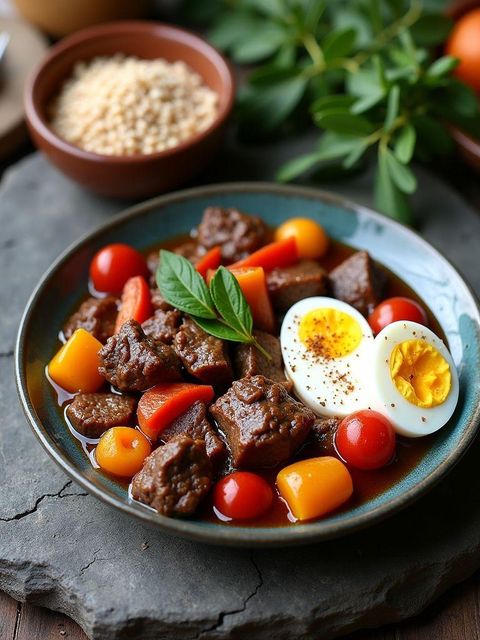
Is the consumption of red meat a health hazard?

Tim Klein
2026-03-24
6 min. read

1 / 1
1 zdjęcie
27
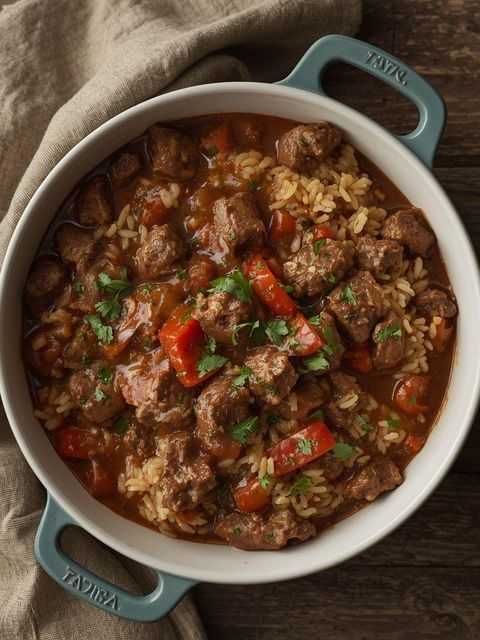
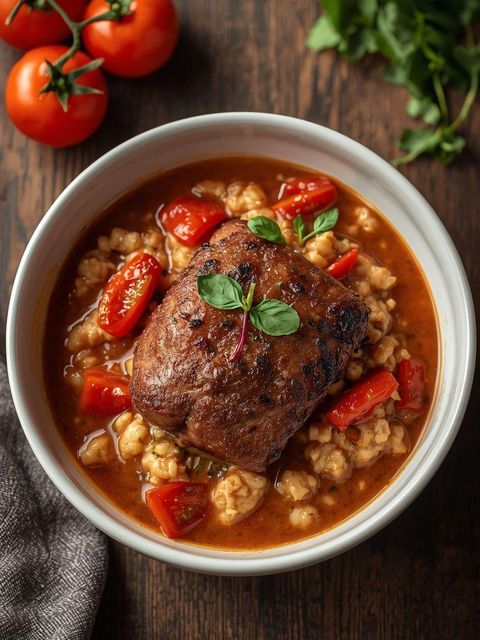
Over the past few decades, the consumption of red meat has significantly increased, particularly in highly developed countries. Some still consider it a necessary component of their meals. Unfortunately, high consumption of red and processed meat contributes to the development of many serious health conditions. The Workshop of the International Agency for Research on Cancer (IARC) defined unprocessed meat from the muscles of mammals - beef, pork, lamb, goat, and horse - as red meat. Processed meat, on the other hand, was described as meat that has been treated with salt, smoke, curing agents, or other processes to enhance its flavor or texture.
Red meat is not inherently bad
Red meat is a source of high-quality protein as it provides the body with essential amino acids. It also contains B vitamins (particularly B12) and minerals such as selenium, zinc, and heme iron. It can therefore be recommended in cases such as anemia, since heme iron is absorbed at 20–30%, while non-heme iron (found in plants) is absorbed at only 5–15%. Although red meat contains the aforementioned essential dietary components, there are healthier ways to provide them. Meat products contain large amounts of saturated fatty acids, whose consumption should be restricted as much as possible. They contribute to increasing the total cholesterol level in the blood and the LDL cholesterol level, which has a negative impact on health and contributes to the development of many diseases. Therefore, red meat should be consumed in moderation.
You have started reading a PRO article
You can preview the first chapter. To read the complete article and unlock all content, upgrade to a PRO account.
Tags