Colors – Artificial, Natural… How to Produce Edible Dyes?

Mia Hoffmann
2026-03-25
8 min. read

1 / 1
1 zdjęcie
20
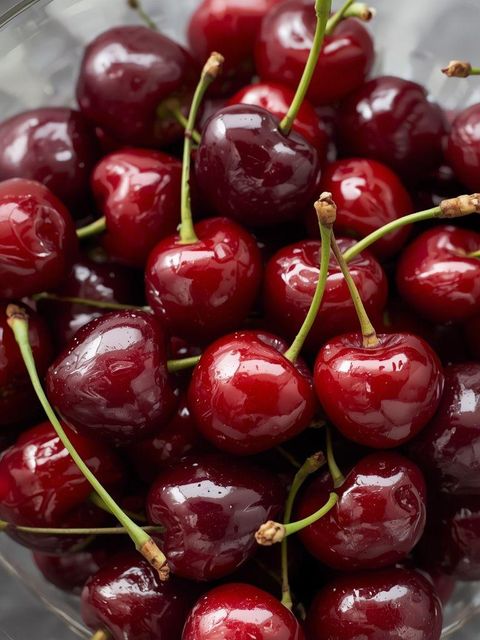
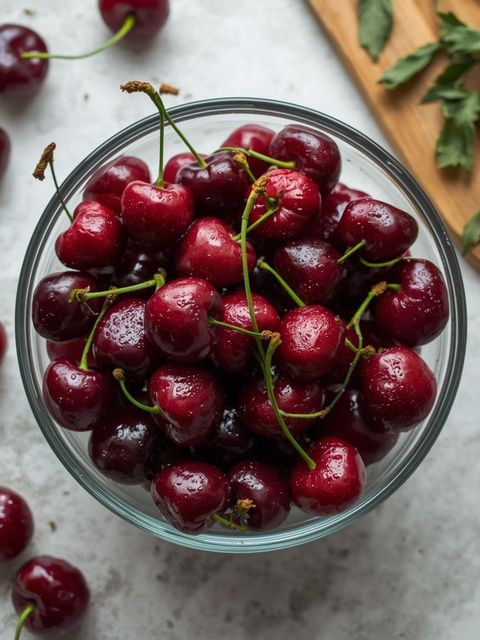
Ice cream, jellies, candied cherries, beverages, gels are merely a few of the products wherein the indispensable component is the colorant... In response to global trends in food coloring, organic dyes are gaining increasing popularity... This is due to the limitation of artificial colorant utilization resulting from abundant scientific evidence regarding their deleterious consequences on the human body.
Colorant additives in food manufacturing: properties and functional applications
The application of colorant additives in food products serves two primary functions: conferring a desired hue and restoring the original color lost due to the degradation of natural pigments during thermal, mechanical, or chemical processing stages. Furthermore, these substances facilitate the achievement of consistent color uniformity across multiple production batches while also enhancing color intensity in products intended for subsequent dilution. The origins of such additives span a broad spectrum, encompassing plant- or animal-derived extracts as well as compounds generated through advanced biotechnological processes or chemical synthesis. All approved colorants are systematically categorized under the **E-number scheme** ranging from **E100** to **E199**, with ongoing research dedicated to identifying novel, safe sources. A distinct subclassification exists for *coloring foods*—ingredients that, beyond their chromatic function, exhibit supplementary sensory attributes (e.g., flavor or aroma) or nutritional benefits. These substances are subject to substantially fewer regulatory constraints compared to conventional synthetic dyes.
You have started reading a PRO article
You can preview the first chapter. To read the complete article and unlock all content, upgrade to a PRO account.