Miód manuka – wyjątkowe właściwości miodu z Nowej Zelandii

Olivia Davis
2026-03-16
7 min. czytania

1 / 1
1 zdjęcie
76
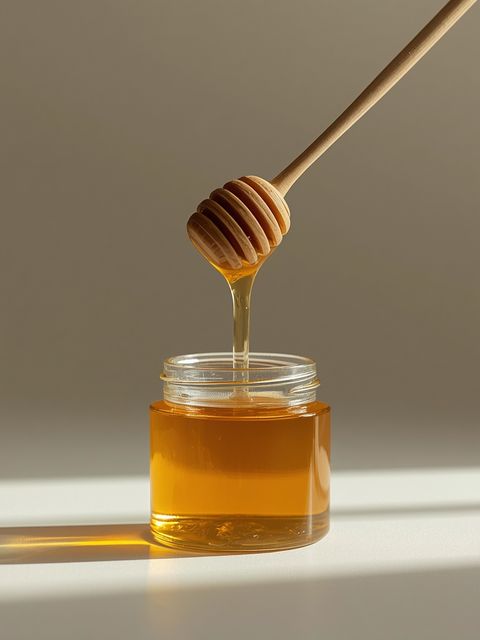
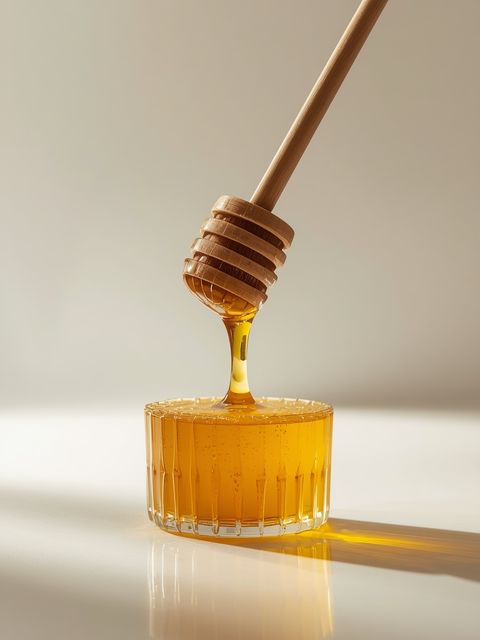
Apiterapia to metoda lecznicza oparta na produktach pochodzenia pszczelego, takich jak miód, propolis, pierzga, pyłek kwiatowy lub mleczko pszczele. Miód jest znany ze swoich terapeutycznych właściwości od wieków, jednak w ostatnich czasach wzrosło zainteresowanie miodem manuka pochodzącym z Nowej Zelandii. Ten niezwykły rodzaj miodu, nazywany również ciekłym złotem, ma niepowtarzalne zdolności ochronne i regeneracyjne. Jego właściwości zostały udokumentowane przez profesora Petera Molana z Uniwersytetu Waikato.
The provenance and distinctive traits of manuka honey: A plant of remarkable resilience
Manuka honey constitutes a distinctive apicultural product derived from the nectar of *Leptospermum scoparium* blossoms, a shrub indigenous to the entirety of New Zealand and select regions of southeastern Australia. This botanical specimen, classified within the myrtle family (*Myrtaceae*), exhibits extraordinary resilience to adverse environmental conditions, including nutrient-poor soils and climatic variability. The appellation "manuka" originates from the linguistic heritage of the Māori people, the indigenous inhabitants of New Zealand, whereas in Australia, the shrub is colloquially referred to as the "tea tree"—a reference to Captain James Cook’s historical practice of brewing aromatic infusions from its foliage. For a honey to qualify as genuine manuka, it must adhere to a rigorous set of parameters: it must be sourced exclusively from New Zealand-based apiaries, be monFloral (i.e., harvested solely from *Leptospermum scoparium* flowers), possess a pronounced, subtly bitter flavor with mineral undertones, emanate a robust, earthy fragrance interlaced with hints of heather, be collected during the shrub’s flowering season, and contain a measurable concentration of methylglyoxal (MGO)—the bioactive compound underpinning its distinctive therapeutic properties.
Rozpocząłeś czytanie artykułu PRO
Możesz zapoznać się z pierwszym rozdziałem. Aby przeczytać cały artykuł i odblokować pełną treść, przejdź do konta PRO.