Corn Flour – Characteristics, Culinary Applications, and Comparison with Cornstarch

| Diets Premium Expert Olivia Davis | min read 5 min | Scientifically reviewed by a clinical dietitian 23.10.2026 |
Smart Voice
•Listen to the article content live
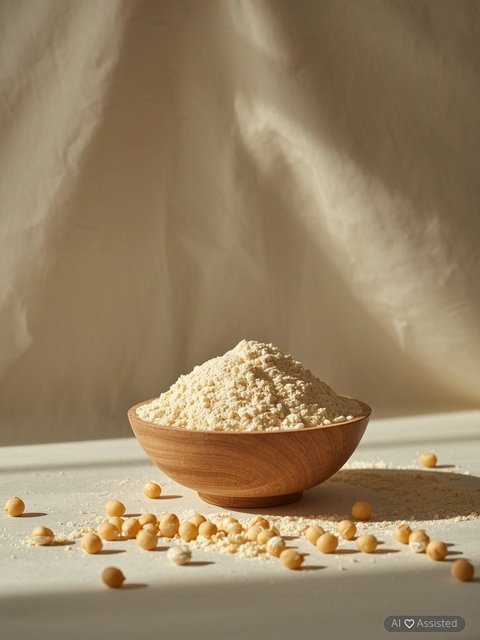
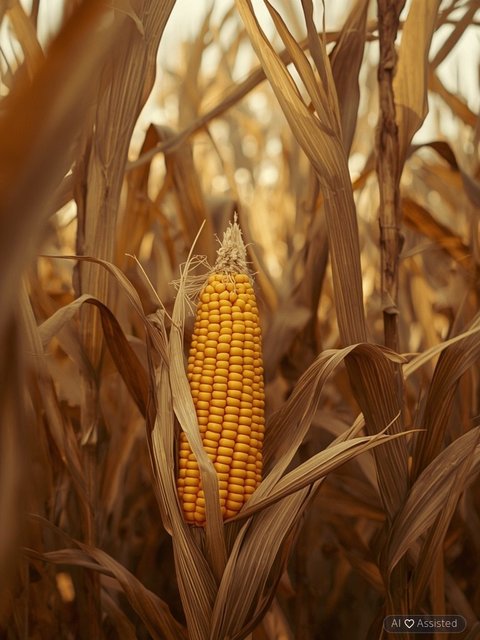
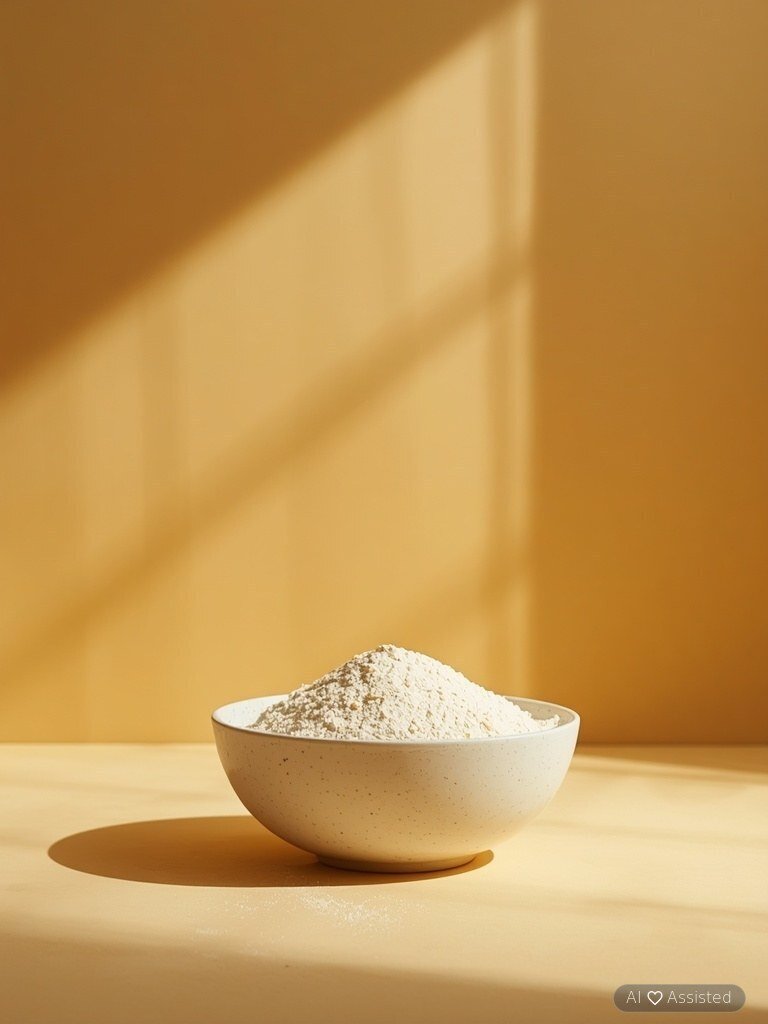
Corn flour represents a premier gluten-free cereal commodity anchoring the nutritional heritage of the Americas. Produced by milling dried whole maize kernels (Zea mays), it is distinguished by a vivid golden hue derived from macular carotenoids (lutein and zeaxanthin), alongside a subtly sweet flavor profile. A foundational culinary necessity is distinguishing whole corn flour from refined pure cornstarch (cornflour/maizena), as their physicochemical and thickening properties differ fundamentally.
Want to apply these guidelines in your daily diet?
Our smart diet generator creates a tailored meal plan in 3 minutes based on the recommendations in this article.
Origin of Maize, Processing Technologies, and Varieties
Maize was domesticated in Mesoamerica millennia ago. Modern milling delivers several specialized grades:
- Fine whole corn flour – standard yellow flour ideal for quick breads (cornbread), muffins, and crispy coatings.
- Coarse cornmeal (polenta/grits) – granular milling creating hearty Italian polenta or American southern grits.
- Masa Harina (nixtamalized corn flour) – maize steeped and cooked in an alkaline calcium hydroxide solution (nixtamalization). This ancestral biochemical process liberates bound niacin (vitamin B3), elevates calcium bioavailability, and permits authentic cohesive taco tortilla dough formation.
Nutritional Attributes: Lutein, Zeaxanthin, Vitamin A, and Fiber
The therapeutic excellence of yellow corn flour is propelled by its carotenoid pool:
- Lutein and zeaxanthin – dominant macular xanthophylls that selectively accumulate within the retinal fovea, absorbing phototoxic high-energy blue light and mitigating age-related macular degeneration (AMD).
- Provitamin A carotenoids – strengthens mucosal barriers and systemic cellular immunity.
- Dietary fiber (~7 g/100 g) – promotes digestive transit and supports bifidobacterial colon colonization.
- Trace elements – supplies bioavailable magnesium, phosphorus, potassium, and selenium without gluten proteins.
Corn Flour vs Cornstarch (Maizena) – Critical Technical Distinctions
These two commodities are frequently conflated, yet their culinary and chemical identities diverge entirely:
- Corn flour – milled from whole grain maize kernels; yellow, textured, carrying protein, germ lipids, carotenoids, and dietary fiber. Functions as a foundational baking flour.
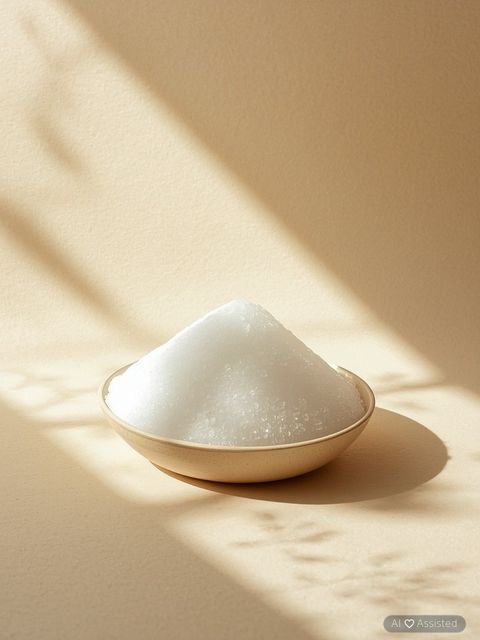
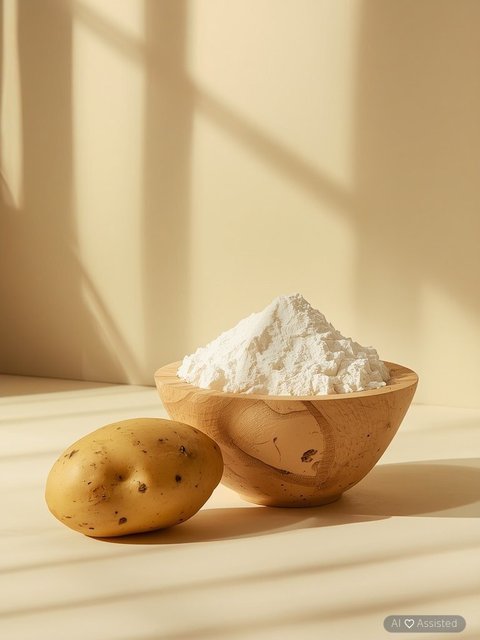
- Cornstarch (maizena) – pure isolated polysaccharide extracted via wet milling of the starchy endosperm; chalky, snowy-white, devoid of protein, fat, or flavor. It gelatinizes under heat into a glossy translucent gel, serving as a superior thickening agent for puddings, glazes, and soups.
Tested Recipes: Traditional Southern Cornbread and Creamy Polenta
Two world-renowned heritage recipes celebrating maize:
Classic Southern Skillet Cornbread:
- Ingredients: 1 cup yellow corn flour, 1 cup all-purpose or gluten-free flour blend, 1 tbsp baking powder, 1 cup cultured buttermilk, 2 large eggs, 60 g melted butter, 2 tbsp honey, pinch of salt.
- Preparation: Whisk wet ingredients into dry, pour into a preheated buttered cast-iron skillet, and bake at 200°C (400°F) for 25 minutes until fragrant and golden.
Creamy Parmesan Polenta:
- Simmer 1 cup cornmeal into 4 cups boiling broth over low heat for 20 minutes with continuous stirring; enrich with 2 tbsp butter and 50 g freshly grated Parmigiano-Reggiano.

Olivia Davis
✓Diets Premium Expert
Diets Premium team expert. Specializes in nutrition plans, strength sports, and training plans.
View Profile →