5 min read
Tapioca Starch: Characteristics, Dietary Role for Digestive Disorders, and Culinary Recipes

Tim Klein
✓
Diets Premium Expert • 23.10.2026
✓
Scientifically reviewed by a clinical dietitian:
This article has been peer-reviewed for adherence to IŻŻ, WHO, and PTGiP clinical nutritional standards.
| Diets Premium Expert Tim Klein | min read 5 min | Scientifically reviewed by a clinical dietitian 23.10.2026 |
Smart Voice
•Listen to the article content live
0:00
/
0:00
Key Takeaways
Tapioca starch, extracted from cassava root, is a hypoallergenic, gluten-free, and easily digestible carbohydrate source widely utilized in clinical and culinary nutrition. Discover its physicochemical properties, gut-friendly benefits, and delicious recipes that support digestive comfort and metabolic health.
Meal Plan
Want to apply these guidelines in your daily diet?
Our smart diet generator creates a tailored meal plan in 3 minutes based on the recommendations in this article.
Textile floor coverings: Composition, functional properties, and contemporary applications
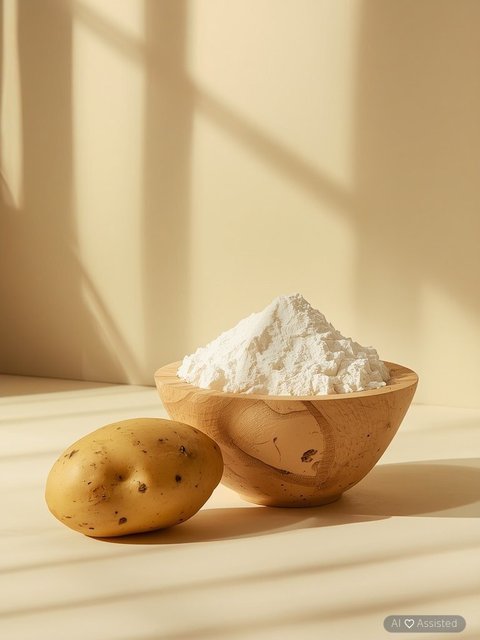
Tapioca constitutes a refined starch-derived product obtained through the processing of edible cassava roots (*Manihot esculenta* Crantz), a tuberous plant of paramount nutritional importance across tropical and subtropical climates worldwide. The starchy tubers of cassava serve as a dietary cornerstone in South American nations, vast regions of Africa, and Southeast Asia, where they fulfill a dual role: functioning both as a primary carbohydrate source for local populations and as a versatile raw material for an array of culinary preparations. Native to the Brazilian highlands, *Manihot esculenta* was subsequently introduced to European agriculture during the colonial era, eventually attaining global recognition as a culinary ingredient. The industrial extraction of tapioca involves a multi-stage procedure: initial mechanical pulverization of the tubers is followed by thorough washing to eliminate naturally occurring cyanogenic glycosides, after which the purified mass undergoes dehydration and is molded into distinct commercial forms. The final product is marketed in three principal variations—spherical "pearls" (commonly employed in dessert applications such as *bubble tea* or tapioca pudding), irregular flakes (frequently incorporated into granola bars or breakfast cereals), and a finely milled, flavor-neutral flour. Tapioca flour is particularly valued for its exceptional water-binding capacity and absence of gluten, rendering it indispensable in gluten-free baking (as a wheat flour substitute) and in the preparation of velvety sauces and confections. Moreover, its functional properties have led to expanded utilization in contemporary gastronomy, including as a texturizing agent in plant-based formulations and as a key component in emerging beverage trends.
Tapioca starch: Compositional profile and its role in specialized dietary regimens
Tapioca, derived from the root of the cassava plant, exhibits a distinctive chemical composition that renders it particularly suitable for clinical nutrition and elimination diets. Being inherently gluten-free, it serves as a viable substitute for conventional grain-based flours in individuals with celiac disease or gluten sensitivity who must categorically exclude this component from their daily intake. Its nutritional profile is predominantly characterized by simple carbohydrates with a high glycemic index, whereas its content of proteins, lipids, sodium, and dietary fiber remains negligible. Moreover, the product demonstrates a low density of minerals and vitamins, with a 100-gram serving providing approximately 358 kilocalories—qualifying it as a source of so-called "empty calories." Owing to its high digestibility and minimal allergenic potential, tapioca is frequently recommended for individuals with digestive disorders as well as those requiring rapid energy supplementation, such as during weight-gain protocols or convalescence.
The role of tapioca starch in the nutrition of individuals with gastrointestinal disorders – indications and health benefits
Despite the relatively modest nutritional profile of tapioca itself, foods derived from this starch have become a staple in the diets of individuals adhering to gluten-free regimens due to conditions such as celiac disease, non-celiac gluten sensitivity, food allergies to gluten-containing grains, malabsorption syndromes, Dermatitis herpetiformis (Dühring’s disease), or gluten intolerance. For these patients, strict elimination of grains—including wheat, rye, barley, and, due to potential cross-contamination, oats—is imperative. Tapioca serves as a versatile substitute for conventional flour in baking and as a natural thickening agent for soups, sauces, and desserts. Of particular significance is its content of resistant starch, which functions as a prebiotic, selectively nourishing beneficial gut microbiota. Through microbial fermentation in the colon, resistant starch yields short-chain fatty acids that serve as an energy substrate for colonocytes, lower colonic pH—thereby exerting anti-inflammatory effects—and may reduce the risk of colorectal carcinoma development. These properties render tapioca a valuable component in dietary interventions for inflammatory bowel diseases, including ulcerative colitis and Crohn’s disease, as well as for functional gastrointestinal disorders such as diarrhea and constipation. Furthermore, resistant starch contributes to glycemic control by enhancing insulin sensitivity, a mechanism that holds promise in mitigating the risk of obesity and type 2 diabetes mellitus.
Tapioca starch: where to purchase and current pricing
Though tapioca starch remains relatively obscure in Polish markets, it is gradually gaining recognition as a versatile culinary ingredient. Due to its limited mainstream distribution, it is rarely stocked in conventional supermarkets. The most reliable sources include specialty stores offering organic, Asian, or exotic food products—both brick-and-mortar and online. Caution is advised when purchasing from large retail chains, as the risk of encountering products with unclear origins or substandard quality is higher. A standard 400-gram package typically retails for between five and ten złoty, positioning it as an affordable pantry staple for home cooks.
A Step-by-Step Guide: How to Properly Prepare Tapioca Pearls at Home
Preparing tapioca constitutes an exceptionally straightforward process that only requires adherence to a few fundamental guidelines. The procedure begins with bringing an appropriate volume of water to a rolling boil—typically, the standard ratio consists of one cup of liquid for every two to three level tablespoons of dried pearls. Have you ever wondered how to achieve the perfect texture for this ingredient? Once the water reaches its boiling point, the tapioca pearls are added, and the heat is immediately reduced to the lowest possible setting. While maintaining constant, gentle stirring, the mixture is then simmered for a duration ranging from fifteen to twenty minutes. As an alternative, retail outlets also offer an "instant" variety, which requires merely five minutes of cooking time. Should the final product appear overly dense or thick, it is advisable to gradually incorporate additional quantities of hot water. The pearls are deemed fully cooked when they have transformed into a completely translucent state. Certain manufacturer recommendations also suggest pre-soaking the tapioca prior to boiling, which may potentially reduce the overall cooking duration.
Tapioca in Culinary Practice: Verified and Imaginative Recipes Using Flour and Pearls
Tapioca, a versatile ingredient renowned for its distinctive gelatinous texture, serves as a foundational component in a wide array of dishes—ranging from gluten-free baked goods to velvety desserts. The following meticulously detailed recipes showcase two exceptional preparations: a rich chocolate pudding accented with fresh strawberries and a refreshing *bubble tea* beverage infused with green tea and citrus undertones. Each recipe provides exact ingredient measurements and thermal processing techniques designed to yield optimal outcomes. Furthermore, we explore how incorporating tapioca into daily meal plans can enrich one’s diet with valuable carbohydrates while offering a substitute for conventional starch sources. The instructions are tailored to accommodate both novice and seasoned cooks, including proactive guidance to circumvent common pitfalls such as adhesion to cookware or inconsistent pearl texture.

mgr Tim Klein
✓Diets Premium Expert
Diets Premium team expert. Specializes in nutrition plans, strength sports, and training plans.
View Profile →