Cinnamon Spice - Origin, Varieties, Nutritional and Health Benefits, Weight Reduction, Contraindications

Max Müller
2026-03-24
18 min. read
1 / 1
1 zdjęcie
2102
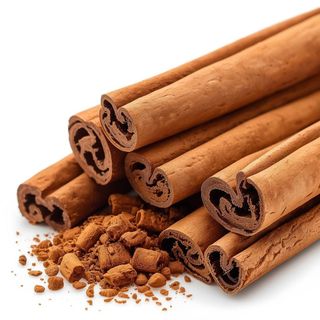
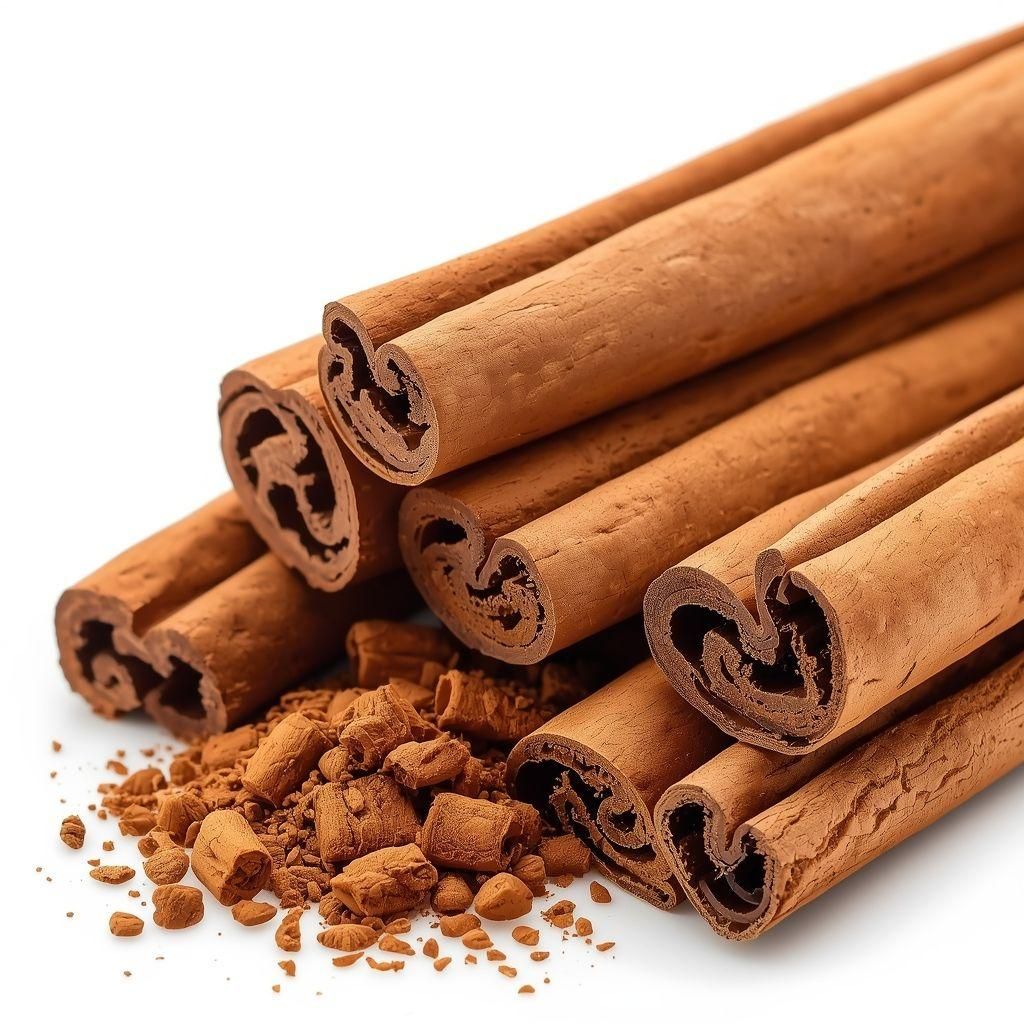
Cinnamon has been one of the most popular culinary spices for years, mainly derived from the dried bark of the Ceylon cinnamon tree. It can be found in the form of an aromatic, rustic ground powder or as sticks rolled into a roll [2].
What is cinnamon?
In fact, cinnamon was not merely utilized as a culinary spice, but also as a medicinal remedy. It was employed from the beginning in Ayurvedic and Chinese medicine. It was used to treat urinary tract infections, rheumatism, dizziness, toothaches, and even acne or impotence [3]. Our grandmothers also used it as an antidote for various ailments such as stomach aches, nausea, and vomiting. It turns out that they did not do so entirely by chance. With the progression of science and medicine, more researchers have become interested in this widely used and intriguing spice. Over time, it has been demonstrated to possess numerous antibacterial, antifungal, therapeutic, metabolism-supporting, and weight loss-promoting properties. The popularity of cinnamon has also led to its increased incorporation into various food products such as chocolates, beverages, desserts, alcohol, and many others. The FDA (Food and Drug Administration) has recognized cinnamon as generally safe and granted it GRAS status [3]. Unfortunately, it has been discovered that this product also has its drawbacks and is not recommended for everyone [2].
You have started reading a PRO article
You can preview the first chapter. To read the complete article and unlock all content, upgrade to a PRO account.