Nutritional principles for maintaining healthy and glowing skin

| Diets Premium Expert Oliwia Kaczmarek | min read 4 min | Scientifically reviewed by a clinical dietitian 23.10.2026 |

Smart Voice
•Listen to the article content live
Skin vitality and radiance depend fundamentally on cellular nutrition from within. A wholesome diet rich in omega-3 polyunsaturated fatty acids, photoprotective carotenoids, antioxidant vitamins (C and E), and polyphenolic compounds fortifies the epidermal barrier, stimulates dermal collagen synthesis, and blunts UV-mediated oxidative stress.
Want to apply these guidelines in your daily diet?
Our smart diet generator creates a tailored meal plan in 3 minutes based on the recommendations in this article.
Chia Seeds and Omega-3 Fatty Acids in Hydrolipidic Barrier Repair
Chia seeds (Salvia hispanica) provide substantial concentrations of alpha-linolenic acid (ALA), an essential plant-based omega-3 fatty acid. Adequate ALA intake is imperative for de novo ceramide biosynthesis and lipid matrix assembly within the stratum corneum. Daily incorporation of chia seeds curtails transepidermal water loss (TEWL), mitigates pruritus and xerosis in atopic conditions, and dampens systemic inflammatory mediators contributing to acneiform breakouts.
Sweet Potatoes, Carotenoids, and Lycopene in Endogenous Photoprotection
Sweet potatoes and brightly colored orange and red produce serve as dense reservoirs of beta-carotene, lutein, and lycopene. Following ingestion, these lipophilic carotenoids accumulate within epidermal layers, functioning as endogenous photoprotective shields that quench singlet oxygen generated by solar UV exposure. Regular dietary carotenoid intake imparts a healthy, golden skin tone and protects structural dermal collagen from metalloproteinase (MMP) enzymatic degradation.
Vitamin C and Citrus Bioflavonoids in Collagen Biosynthesis
Ascorbic acid (vitamin C), abundant in citrus fruits, parsley, and bell peppers, is an indispensable obligate cofactor for prolyl and lysyl hydroxylases—enzymes governing triple-helix collagen maturation. In the absence of adequate ascorbic acid, dermal fibroblasts cannot sustain structural skin integrity. Concurrently, vitamin C inhibits tyrosinase activity to fade hyperpigmentation and reinforces capillary endothelial walls, reducing microvascular fragility.
Almonds and Vitamin E in Suppressing Membrane Lipid Peroxidation
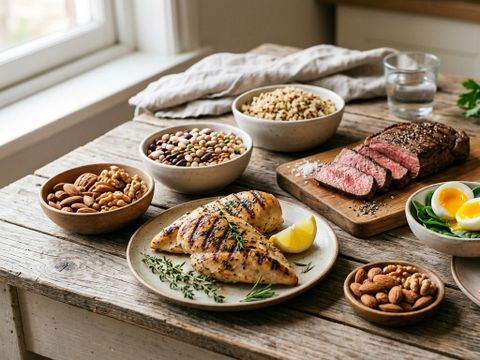
Almonds deliver concentrated doses of alpha-tocopherol (vitamin E) alongside heart-healthy monounsaturated oleic acid and polyphenolic antioxidants. Vitamin E integrates seamlessly into the phospholipid bilayer of keratinocytes and fibroblasts, preventing radical chain reactions that compromise cellular membranes. A daily handful of almonds enhances dermal barrier moisture retention, accelerates epidermal repair, and mitigates the emergence of fine lines.
Zinc, Polyphenols, and Cellular Hydration in Quelling Inflammation
Zinc (abundant in pumpkin seeds, legumes, and seafood) orchestrates epidermal differentiation, regulates sebaceous gland secretion, and exerts direct antibacterial effects against Cutibacterium acnes. Paired with green tea polyphenols and consistent systemic hydration (minimum 2–2.5 liters of clean water daily), it optimizes toxin clearance and ensures intracellular turgor, yielding a radiant, clear complexion.
Other edible mushrooms
Lemons and their fractions
Tags

Oliwia Kaczmarek
✓Diets Premium Expert
Diets Premium team expert. Specializes in nutrition plans, strength sports, and training plans.
View Profile →