2 min read
Sea onion – a nutrient-rich health treasure

Wojciech Wiśniewski
✓
Diets Premium Expert • 24.09.2026
✓
Scientifically reviewed by a clinical dietitian:
This article has been peer-reviewed for adherence to IŻŻ, WHO, and PTGiP clinical nutritional standards.
| Diets Premium Expert Wojciech Wiśniewski | min read 2 min | Scientifically reviewed by a clinical dietitian 24.09.2026 |
Smart Voice
•Listen to the article content live
0:00
/
0:00
Key Takeaways
The sea onion is regarded as a valuable source of bioactive compounds that contribute to enhancing overall well-being and preventing various health conditions.
Meal Plan
Want to apply these guidelines in your daily diet?
Our smart diet generator creates a tailored meal plan in 3 minutes based on the recommendations in this article.
What is the sea onion and its botanical origin?
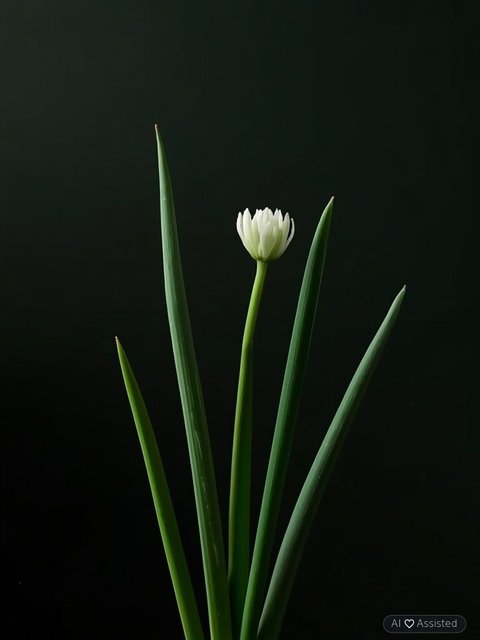
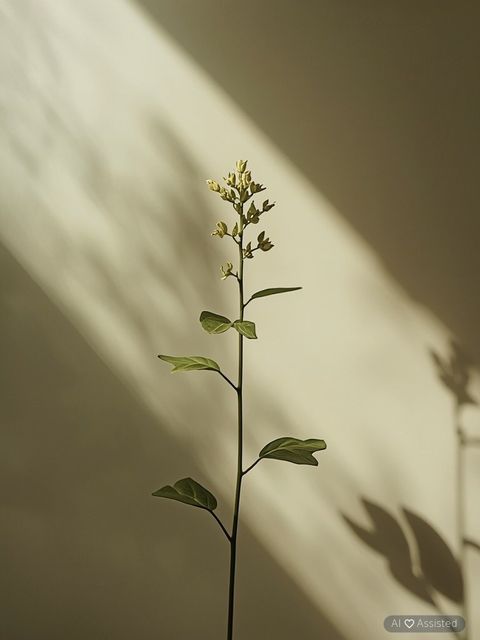
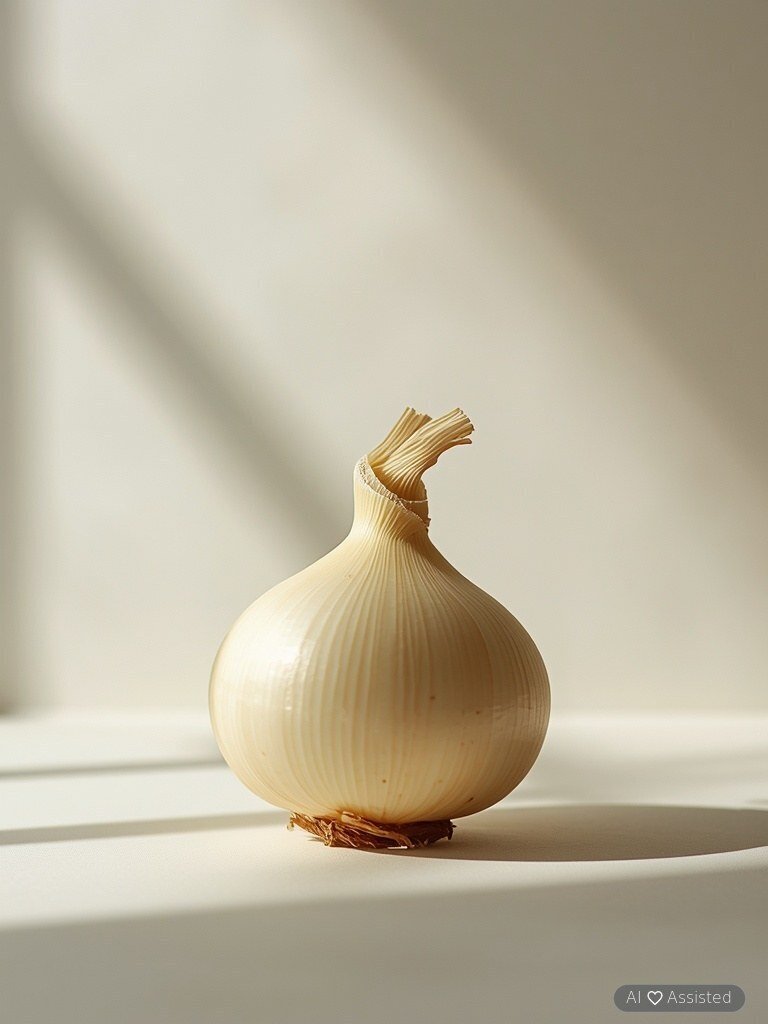
The sea onion (Latin: Drimia maritima, syn. Urginea maritima, Scilla maritima), commonly known as sea squill or maritime squill, is a perennial flowering plant belonging to the family Asparagaceae. Native to the Mediterranean Basin, it thrives naturally in coastal sandy dunes, dry hillsides, and rocky slopes. Its most distinctive feature is an enormous underground or semi-exposed bulb that can reach a diameter of over 20 cm and weigh several kilograms. The plant produces large, dark-green lanceolate leaves that wither before the blooming period. In late summer, a tall flowering stalk rising up to 1.5 meters emerges, bearing an impressive raceme of small, white, starry flowers. Sea onion is one of the oldest medicinal botanicals recorded in history: its therapeutic use is documented in the ancient Egyptian Ebers Papyrus (circa 1500 BCE) as well as in the classical medical writings of Hippocrates, Theophrastus, Dioscorides, and Pliny the Elder.
Chemical composition and bioactive cardiac glycosides
The unique pharmacological properties of the sea onion are primarily attributed to bufadienolide-type cardiac glycosides, which constitute between 1% and 4% of the dry bulb weight. The primary active constituents include scillaren A, proscillaridin A, glucoscillaren A, and scilliroside (concentrated predominantly in the red squill variety). These bioactive compounds exert a potent positive inotropic effect, enhancing myocardial contractile force while simultaneously producing a negative chronotropic effect (moderating heart rate). Unlike digitalis glycosides (cardenolides such as digoxin), the bufadienolides of Drimia maritima exhibit a faster onset of action and a substantially lower tendency toward tissue accumulation, resulting in more rapid renal excretion and a reduced risk of chronic bioaccumulation. Furthermore, the bulb contains valuable flavonoids (such as quercetin, kaempferol, and apigenin), fructans (notably sinistrin, an inulin-like polysaccharide used in kidney clearance diagnostics), plant mucilages, and phenolic acids. The tissue also features bundles of needle-like calcium oxalate crystals (raphides).
Traditional and phytotherapeutic applications of sea onion
In phytotherapy and traditional medicine, sea onion has historically been employed across two principal therapeutic indications. In low, sub-toxic micro-doses, standardized extracts (often administered as syrups, elixirs, or oxymels) served as powerful expectorants in chronic bronchitis, asthma, and congestive respiratory catarrh. This secretolytic mechanism operates via mild gastric mucosal irritation that reflexively stimulates bronchial serous glands through vagal nerve pathways, thinning bronchial secretions. In cardiotonic applications, pharmaceutical preparations containing standardized proscillaridin A were traditionally prescribed for mild cardiac insufficiency, senile heart conditions, and cardiac-related edema, benefiting from the secondary diuretic effect caused by improved renal blood flow. Conversely, the red squill variety (Scilla rubra), rich in scilliroside, found specialized commercial application as a selective botanical rodenticide, leveraging rodents' biological inability to vomit, which prevents toxic clearance.
Toxicity, contraindications, and safety precautions
Sea onion is an intensely potent medicinal plant with a narrow therapeutic index, meaning that the margin between an effective dose and a toxic dose is exceptionally slim. Consequently, it must never be harvested or formulated into domestic teas or tinctures. Overdosage of bufadienolide cardiac glycosides precipitates severe intoxication manifested by acute nausea, refractory vomiting, cramping abdominal pain, diarrhea, and life-threatening cardiac rhythm disturbances, including marked bradycardia, ventricular premature beats, atrioventricular conduction blocks, and circulatory collapse. Direct dermal contact with raw bulb sap provokes acute contact dermatitis, severe erythema, and blistering caused by the mechanical penetration of microscopic calcium oxalate raphide needles. Absolute contraindications include pregnancy, lactation, hypokalemia, advanced atrioventricular heart block, severe renal insufficiency, and concurrent therapy with digitalis glycosides or antiarrhythmic drugs. Any clinical administration must rely exclusively on standardized pharmaceutical preparations under rigorous medical supervision.

Wojciech Wiśniewski
✓Diets Premium Expert
Diets Premium team expert. Specializes in nutrition plans, strength sports, and training plans.
View Profile →