Nutritional optimization for cognitive performance: How dietary habits shape memory and focus

| Diets Premium Expert Olivia Davis | min read 2 min | Scientifically reviewed by a clinical dietitian 23.10.2026 |

Smart Voice
•Listen to the article content live
Before delving into specifics, it is worthwhile to pose a foundational question regarding the purpose of food consumption. While the primary motivation for most individuals remains satisfying physiological hunger or experiencing sensory pleasure, we seldom recognize that a thoughtfully composed diet plays a pivotal role in nervous system function. The nutrients supplied through food directly influence the efficiency of neuronal synapses, which in turn governs the speed of information processing and the capacity for sustained attention.
Neuroscientific research confirms that deficiencies in certain micro- and macronutrients can lead to cognitive decline, whereas a balanced diet supports neuroplasticity and protects against neuronal degeneration.
Want to apply these guidelines in your daily diet?
Our smart diet generator creates a tailored meal plan in 3 minutes based on the recommendations in this article.
Glucose and glycemic stability as neuronal fuel
The human brain accounts for roughly 2% of total body mass yet consumes over 20% of basal metabolic energy and oxygen. Glucose represents the obligate metabolic fuel for neural parenchyma. However, acute glycemic volatility induced by high-glycemic foods precipitates reactive hypoglycemia, clinically manifesting as brain fog, acute fatigue, and impaired attention span.
To maintain superior cognitive endurance throughout the day, the dietary architecture must emphasize low-glycemic complex carbohydrates (whole grains, oats, legumes) combined with dietary protein and lipids, ensuring sustained, uninterrupted cerebral glucose delivery.
Omega-3 fatty acids (DHA/EPA) and phospholipids in brain architecture
Dry brain weight comprises nearly 60% structural lipids, wherein docosahexaenoic acid (DHA) serves an indispensable structural role. DHA integrates directly into neuronal and synaptic phospholipid bilayers, modulating membrane fluidity, neurotransmitter receptor affinity, and neuroplasticity.
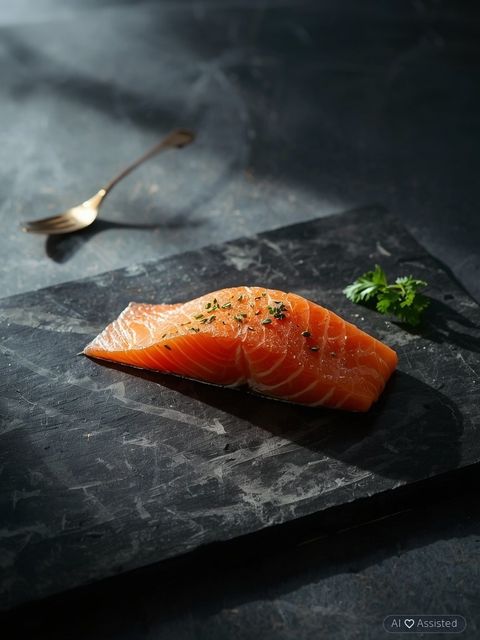
Suboptimal omega-3 status correlates clinically with accelerated cognitive decline, affective disorders, and neuroinflammatory processes. Consistent consumption of cold-water oily fish (wild salmon, sardines, mackerel), walnuts, and algal oil extracts provides neuroprotective lipid fractions vital for neural integrity.
Micronutrients for neurotransmission: B-vitamins, choline, and magnesium
The enzymatic synthesis of critical neurotransmitters—acetylcholine, dopamine, serotonin, and GABA—depends strictly on essential nutritional cofactors. Dietary choline (concentrated in egg yolks and liver) serves as the obligate substrate for acetylcholine, which directly modulates memory consolidation and attentional focus.
B-complex vitamins (B6, folate, B12) govern one-carbon methylation metabolism, preventing neurotoxic hyperhomocysteinemia. Concurrently, magnesium modulates NMDA receptor gating, shielding neurons from glutamate-mediated excitotoxicity and psychological exhaustion.
The MIND diet pattern and polyphenol-mediated neuroprotection
The MIND dietary pattern (Mediterranean-DASH Intervention for Neurodegenerative Delay) represents a clinically validated nutritional framework engineered specifically for brain health. It prioritizes daily consumption of dark leafy greens, berries, raw nuts, extra virgin olive oil, and beans, while minimizing trans fats and refined sugars.
Berries provide concentrated anthocyanins that traverse the blood-brain barrier, attenuating neuroinflammation and upregulating brain-derived neurotrophic factor (BDNF). Longitudinal clinical trials establish that robust adherence to the MIND diet reduces the biological age of cognitive function by up to 7.5 years.
Tags

Olivia Davis
✓Diets Premium Expert
Diets Premium team expert. Specializes in nutrition plans, strength sports, and training plans.
View Profile →