Quince seeds: A hidden health powerhouse surpassing the fruit’s own benefits!

Isabella Taylor
2026-03-21
6 min. read

1 / 1
1 zdjęcie
54
While the quince is often prized for its distinctive flavor and fragrance, its seeds harbor an even greater treasure—one that may surpass the fruit itself in terms of health-promoting properties. Packed with bioactive compounds, mucilaginous substances, and trace minerals, quince seeds serve as a natural ally for digestive health, immune function, and beyond. Learn why traditional medicine has long relied on quince seeds as a broad-spectrum remedy and how you can incorporate them into your daily routine to unlock their full potential for holistic well-being.
What does Pigwa look like?
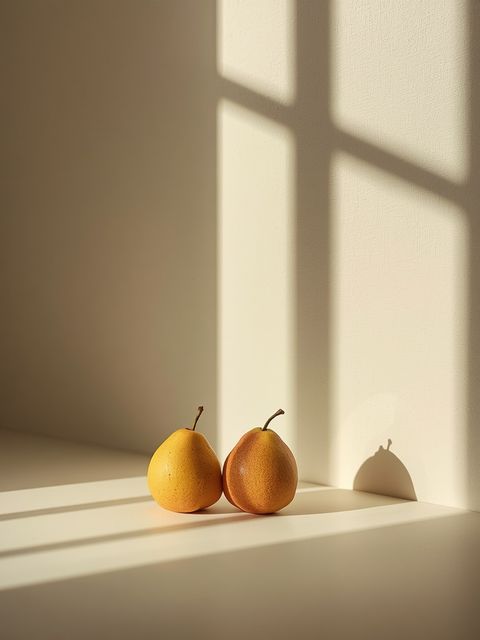
Pigwa is native to Asia Minor, most likely from the Caucasus. It belongs to the pink family, similar to figs, apples, pears, or plums. It is a shrub or tree, reaching 5-7 m in height. Pigwa blooms in white or pink, from May to June. The fruits ripen in October, resemble peas, they are large, hard and yellow.
You have started reading a PRO article
You can preview the first chapter. To read the complete article and unlock all content, upgrade to a PRO account.