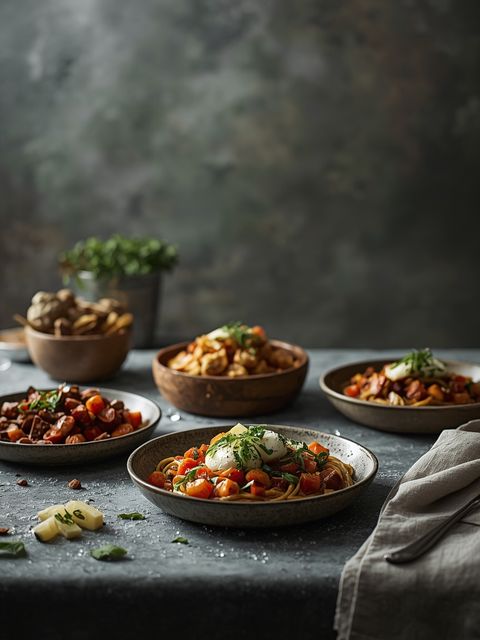
The culinary art of India: distinctive features, heritage, and preparation techniques

Oliwia Kaczmarek
2026-03-24
6 min. read

1 / 1
1 zdjęcie
74
India is a nation marked by an extraordinarily rich cultural heritage, where stark socio-economic disparities—ranging from profound poverty to immense wealth—coexist. Against this backdrop, a distinctive culinary tradition has flourished, characterized by a unique flavor profile that astonishes with its vibrant colors and the sheer diversity of spices employed. Furthermore, the methods of food preparation—often passed down through generations—have garnered global acclaim, becoming emblematic of India’s gastronomic identity. Over centuries, the evolution of this cuisine has been shaped by factors such as the country’s diverse topography, regional customs, and deeply rooted religious beliefs, which continue to influence both the ingredients used and the rituals surrounding food consumption.
Indian cuisine
I think most of us will say that with the innumerable variety of spices that we rarely use on our borders, there is a colorful culture that accompanies the consumption of meals and influences traditional dishes. Largely due to the diversity of traditions, customs and beliefs of the Indian people, the Indian cuisine has influenced the development of what we know today as Indian cooking. Many of the different culinary styles that we use on the frontier, form a common cuisine, and one of its elements is artistic taste.
You have started reading a PRO article
You can preview the first chapter. To read the complete article and unlock all content, upgrade to a PRO account.
Tags