Avocado – A Treasury of Minerals and Vitamins

Wojciech Wiśniewski
2026-03-25
6 min. read
1 / 1
1 zdjęcie
2430
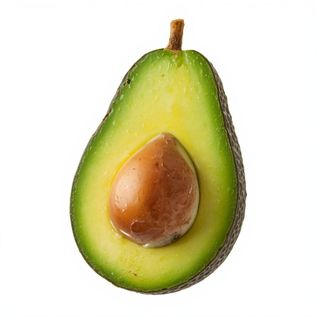
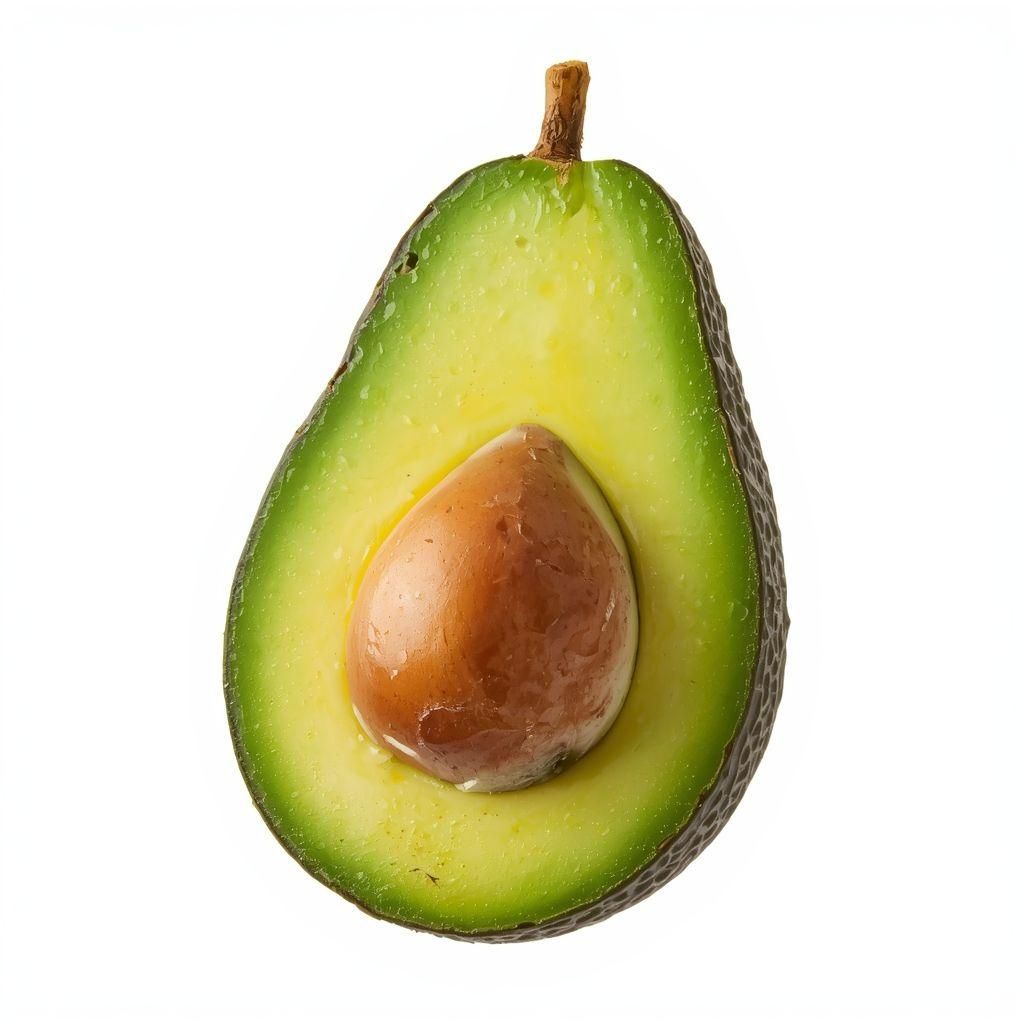
The avocado is a fruit originating from the green shrub Persea Mill., which belongs to the Lauraceae family. It does not naturally occur in Poland's environment. It is a rather atypical fruit, as it contains a small amount of sugar. The avocado is characterized by a delicate taste that allows it to blend seamlessly into many dishes and often serve as the main ingredient, as in the case of guacamole.
Nutrient composition of avocado
Avocado has gained immense popularity in Europe, where an average of 1 kg of the fruit is consumed per capita per year. The fruit is primarily imported from Peru, Chile, Colombia, South Africa, Israel, and Mexico. In recent times, avocados have become so popular that there are legitimate concerns that our suppliers will not be able to meet the growing demand. Why such a love for this fruit? Perhaps due to its numerous health benefits. Avocado is particularly valued for its rich content of healthy fatty acids found in its flesh. However, that's not all that this unusual fruit has to offer. In a serving of 50 g of avocado, you will find:
– 84 kcal,
– 0.1 g of sugar (a negligible amount),
– 250 mg of potassium,
– 4.4 mg of vitamin C,
– 1 mg of vitamin E (alpha-tocopherol),
– 10 µg of vitamin K,
– 5 g of monounsaturated fatty acids (MUFA),
– 1 g of saturated fatty acids (SFA),
– 1.4 g of polyunsaturated fatty acids (PUFA),
– lutein,
– zeaxanthin.
You have started reading a PRO article
You can preview the first chapter. To read the complete article and unlock all content, upgrade to a PRO account.