Przyprawa korzenna cynamon - pochodzenie, odmiany, wartości odżywcze i zdrowotne, redukcja wagi, przeciwwskazania

Max Müller
2026-03-24
18 min. czytania
1 / 1
1 zdjęcie
2098
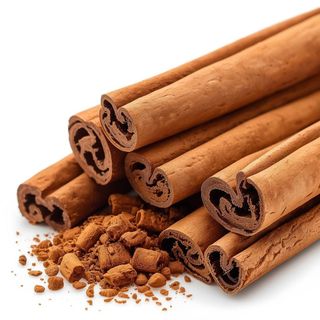
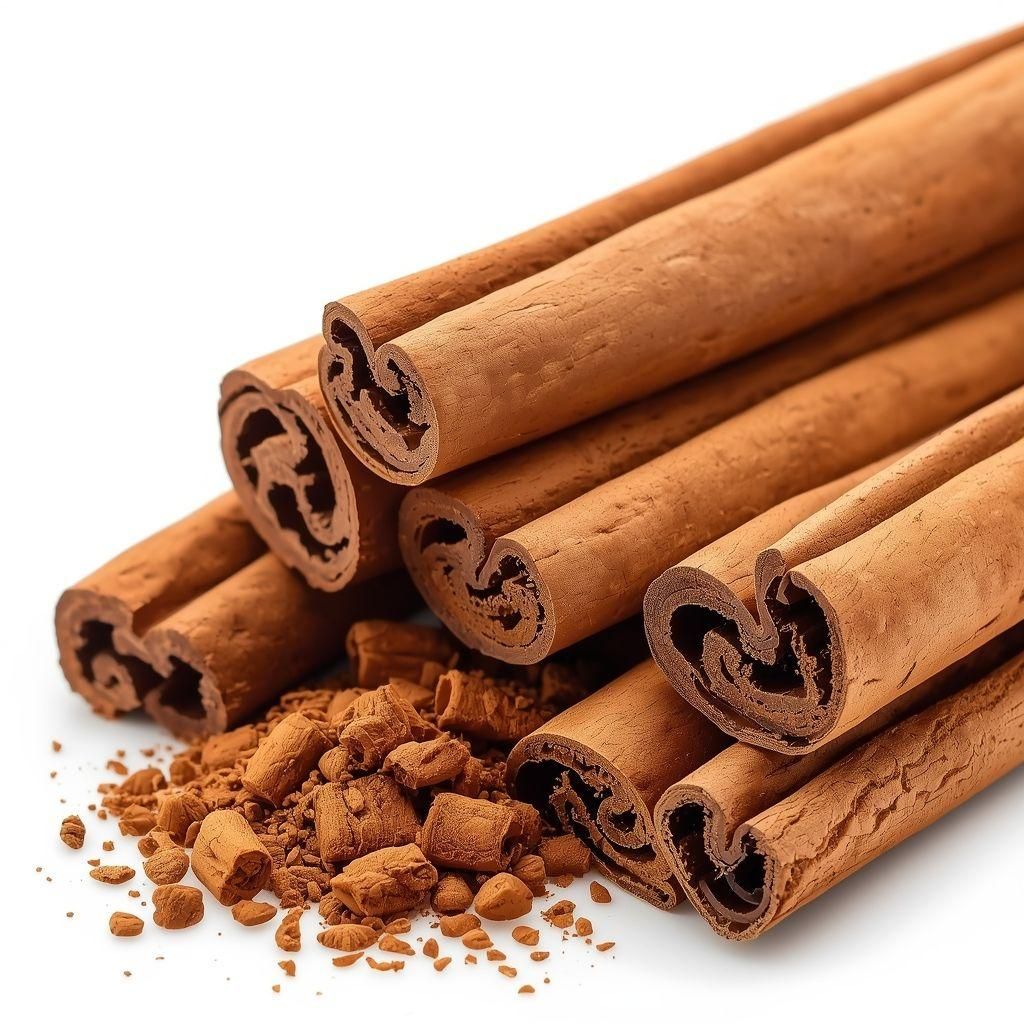
Cynamon jest od lat jedną z najpopularniejszych przypraw kuchennych, uzyskiwany głównie z suszonej kory drzewa cynamonowca cejlońskiego. Można go znaleźć w postaci aromatycznego, rustykalnego proszku mielonego lub jako zwinięte w rulon kijki [2].
Co to jest cynamon?
In reality, cinnamon was not solely employed as a culinary spice, but also as a medicinal agent. From the outset, it was utilized in Ayurvedic and Chinese medicine. It was used to treat urinary tract infections, rheumatism, dizziness, toothaches, and even acne or impotence [3]. Our grandmothers also used it as an antidote for various ailments such as stomach aches, nausea, and vomiting. It appears that they did not do so entirely by chance. With the advancement of science and medicine, more researchers have become interested in this widely used and intriguing spice. Over time, it has been proven to possess numerous antibacterial, antifungal, therapeutic, metabolism-supporting, and weight loss-promoting properties. The popularity of cinnamon has also led to its increased incorporation into various food products such as chocolates, beverages, desserts, alcohol, and many others. The FDA (Food and Drug Administration) has recognized cinnamon as generally safe and granted it GRAS status [3]. Unfortunately, it has been discovered that this product also has its drawbacks and is not recommended for everyone [2].
Rozpocząłeś czytanie artykułu PRO
Możesz zapoznać się z pierwszym rozdziałem. Aby przeczytać cały artykuł i odblokować pełną treść, przejdź do konta PRO.