3 min read
"Vanilla sugar" and "vanillin sugar" – Key differences and health effects

Lena Bauer
✓
Diets Premium Expert • 24.09.2026
✓
Scientifically reviewed by a clinical dietitian:
This article has been peer-reviewed for adherence to IŻŻ, WHO, and PTGiP clinical nutritional standards.
| Diets Premium Expert Lena Bauer | min read 3 min | Scientifically reviewed by a clinical dietitian 24.09.2026 |
Smart Voice
•Listen to the article content live
0:00
/
0:00
Key Takeaways
Vanilla sugar has been a beloved ingredient for generations, enhancing the flavor of our pastries and desserts. However, in recent years, products labeled as "vanillin sugar" have also emerged in the market. This article will help you determine which option is healthier and outline the key distinctions between the two.
Meal Plan
Want to apply these guidelines in your daily diet?
Our smart diet generator creates a tailored meal plan in 3 minutes based on the recommendations in this article.
Vanilla sugar
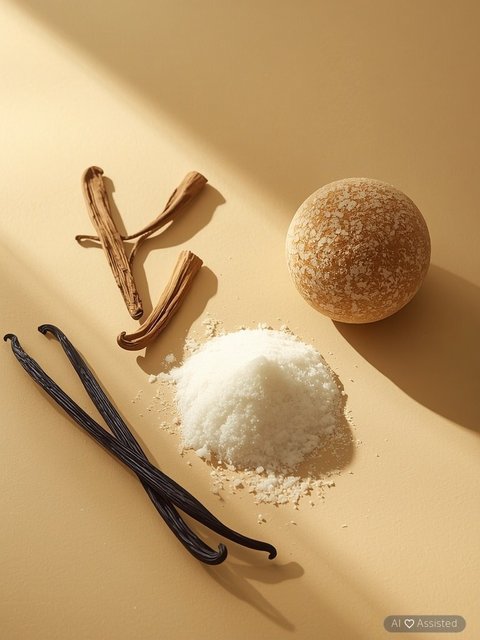
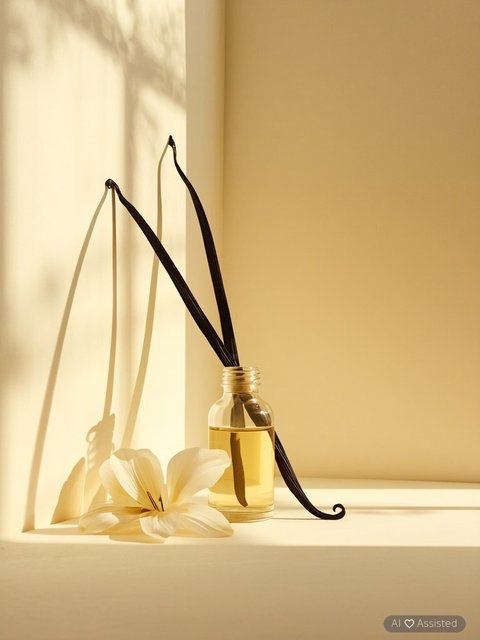
Vanilla planifolia is a plant in the orchid family (Orchidaceae) native to the tropical forests of Central and South America. Its fruits are elongated, narrow and dark strands called vanilla leaves. Today the main producer of this spice is Madagascar. Due to its unique aroma and taste, the crops from there are considered the best in the world.
Vanilla sugar
During the fermentation and drying process, vanilla produces vanillin, which gives it its characteristic flavor and aroma. Unfortunately, its production is very limited, as it only accounts for about 1.2% of vanilla juice. Consequently, cheaper vanilla substitutes can be found on the market, such as eugenol, lignin and lingosulfonic acids. These include vanillin (4-hydroxy-3-methoxybenzaldehyde) and ethylwaniline (3-etoxy-4- hydroxybenzaldehyde). Their organoleptic properties are weaker than real vanilla, but their production is too cost-effective.
Vanilla sugar vs vanillin sugar – which one is better to choose?
Choosing between authentic vanilla sugar and artificial vanillin sugar comes down to quality and budget. Pure vanilla sugar delivers natural vanillin along with hundreds of trace aromatic compounds without synthetic chemical additives, making it gentler on sensitive digestive systems and far superior in flavor.
Vanilla sugar, how to make it
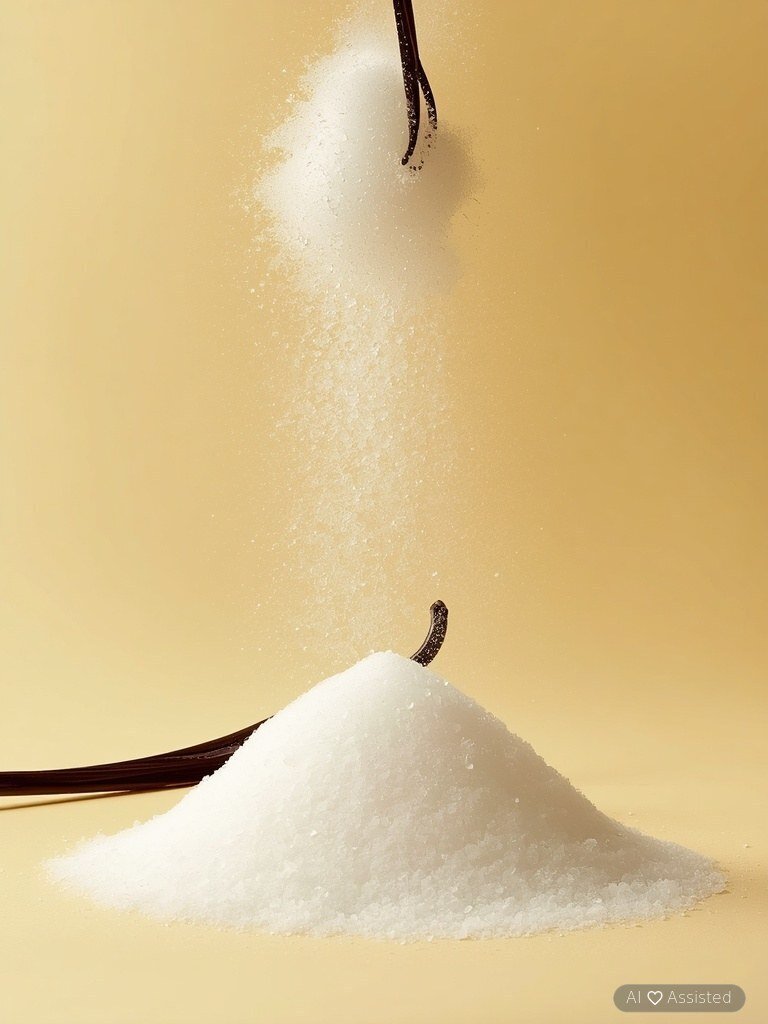
Good quality vanilla sugar can be made at home by yourself. Just two ingredients are enough to enjoy the amazing taste and aroma of this spice and without any fear of adding it to cakes, cookies and other desserts.

Lena Bauer
✓Diets Premium Expert
Diets Premium team expert. Specializes in nutrition plans, strength sports, and training plans.
View Profile →