Farmer’s cheese (tvarog): production process and compositional traits
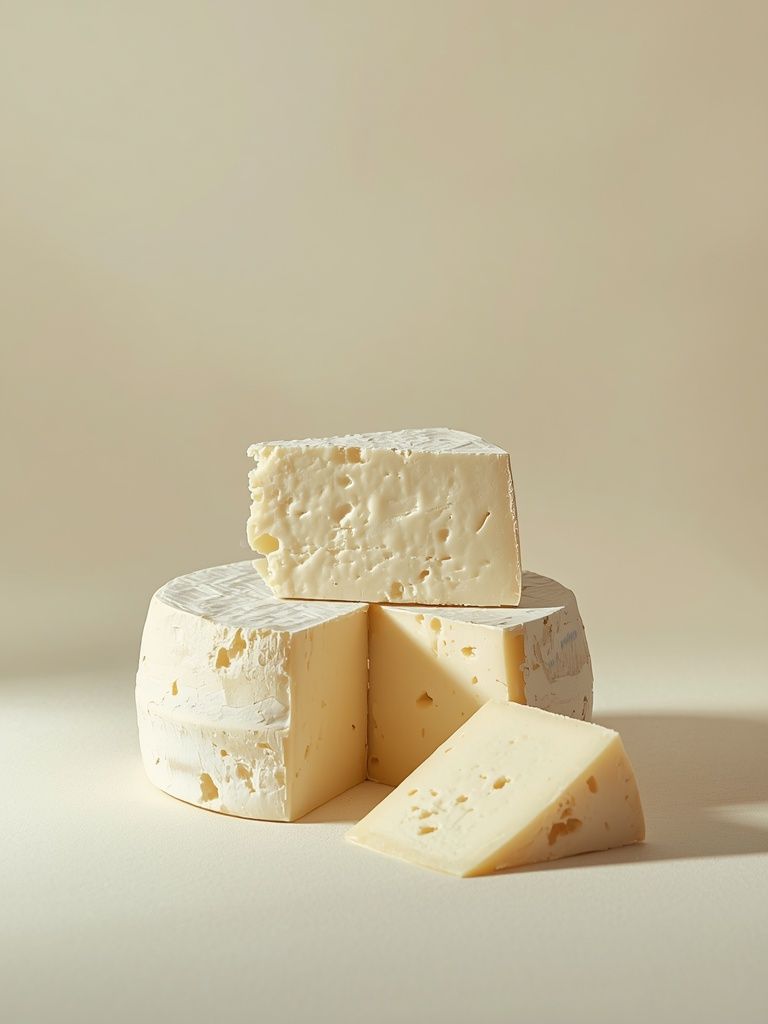
Farmer’s cheese, commonly referred to as *tvarog* or *quark* in some regions, is produced through the meticulous processing of milk curd, which forms when specialized strains of lactic acid bacteria are introduced into raw milk. These cultures initiate fermentation by progressively lowering the pH, causing casein proteins to coagulate and precipitate into a solid curd. The resulting mass then undergoes mechanical cutting, thorough agitation, and separation of the cheese granules from the liquid whey. Once excess moisture is drained, the final product—distinguished by its granular, slightly crumbly texture—is portioned and packaged for commercial distribution. Less frequently, variants are prepared using a blend of buttermilk, kefir, and whole milk, which subtly alters the flavor profile and mouthfeel of the finished cheese.
Nutritional Profile of Cottage Cheese: Composition, Protein Content, and Caloric Value
Cottage cheese is classified as a low-calorie food due to its limited carbohydrate content—no more than 3–4 grams in the form of lactose, a naturally occurring disaccharide in milk. The fat content varies significantly across different types: non-fat varieties contain no more than 0.5 grams of fatty acids per 100 grams of product, low-fat versions approximately 4 grams per 100 grams, while full-fat cottage cheese may reach up to 9 grams of fat per 100 grams. The primary reason for incorporating cottage cheese into a regular diet lies in its abundance of high-quality, easily digestible, and highly bioavailable protein. In the dry matter of non-fat cottage cheese, protein constitutes roughly 80% of the composition, in low-fat varieties around 67%, and in full-fat versions approximately 53%. Milk protein—casein—is categorized as a complete protein, meaning its amino acid profile allows for near-total utilization as a source of essential amino acids for endogenous protein synthesis. The production process, which involves coagulation and partial hydrolysis of the protein, enhances digestibility by facilitating enzymatic access to peptide bonds.
Cottage cheese as a valuable complement to baked goods – protein-completing synergy with cereal products
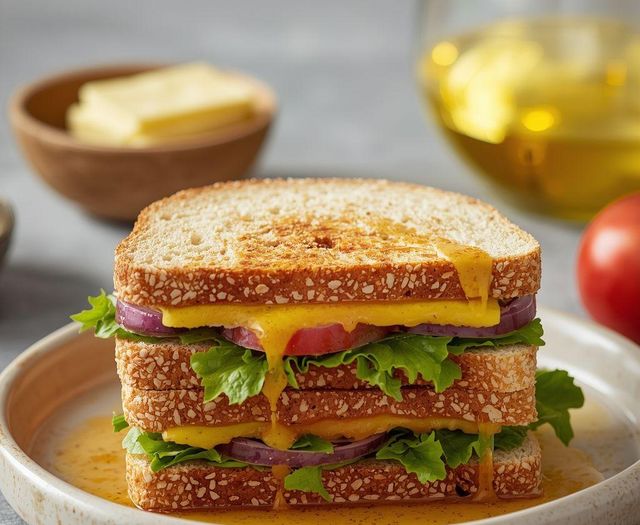
Cottage cheese represents an exceptionally rich source of lysine—an exogenous amino acid that occurs in notably limited quantities within cereal-based products. Given that the human body lacks the biochemical capacity to synthesize this compound endogenously, its consistent dietary supplementation becomes indispensable for sustaining physiological equilibrium. Lysine exerts a multifaceted, beneficial impact on health: it enhances cognitive performance by improving focus and attention span, mitigates both mental and physical fatigue, serves a protective function within the cardiovascular system by inhibiting the progression of atherosclerotic plaque formation, and may exhibit preventive properties against the onset of malignant neoplasms. Additionally, its presence is positively correlated with the optimal functioning of the nervous system. A critical nutritional consideration lies in the observation that pairing cottage cheese with grain-derived baked goods facilitates a complementary enhancement of the amino acid profile—lysine derived from the cheese compensates for the deficiencies inherent in plant-based proteins, thereby converting them into complete, high-quality proteins. Through this mechanistic interaction, the body gains the ability to absorb and utilize these compounds more effectively for the biosynthesis of structural and functional bodily proteins, resulting in superior nutrient bioavailability.
Cottage cheese nutritional composition: A comprehensive breakdown of its macro- and micronutrient contributions to a balanced diet
Conventional cottage cheese exhibits a mineral content of approximately 0.8–0.9 percent by weight (commonly referred to as "ash"). Among these inorganic constituents, calcium and phosphorus emerge as the predominant macroelements, collectively comprising nearly 40 percent of the total ash composition. The metabolic utilization of these nutrients is contingent upon both their dietary concentration and the availability of vitamin D—a critical facilitator of their intestinal absorption. When compared to meat-based protein sources, cottage cheese represents a substantially more efficient provider of these minerals, thereby warranting its inclusion as a staple in diversified meal plans. Furthermore, a 100-gram serving of this dairy product supplies roughly 1 milligram of zinc, alongside trace quantities of sodium, iodine, potassium, and magnesium. Consumption of 100 grams of semi-skimmed cottage cheese fulfills approximately 37 percent of an adult’s daily riboflavin (vitamin B2) requirement and about 33 percent of the cobalamin (vitamin B12) recommendation. The product also contains an array of B-complex vitamins (B1, B6, niacin) as well as fat-soluble vitamins A, D, and E, underscoring its broad-spectrum nutritional utility.
Cottage Cheese: Opting for Non-Fat or Medium-Fat Varieties?
Cottage cheese is distinguished by its remarkably diverse nutritional profile, containing approximately four hundred distinct fatty acids (FAs), which positions it as one of the most compositionally varied food products in this regard. Its lipid composition is predominantly saturated fatty acids (accounting for roughly sixty to seventy percent), followed by monounsaturated fatty acids (ranging from twenty-one and a half to thirty-one percent) and polyunsaturated fatty acids (comprising two to five percent). Among the monounsaturated fatty acids, oleic acid is the most prominent, whereas the polyunsaturated category is primarily represented by linoleic and linolenic acids, both classified as essential unsaturated fatty acids (EUFAs). These compounds are dietary necessities, as the human body lacks the capacity to synthesize them independently. The unique emulsification process during production—wherein fat is dispersed into minute droplets—renders cottage cheese exceptionally digestible. Additionally, the presence of fat facilitates the absorption of fat-soluble vitamins, including A, D, and E. When selecting between non-fat and medium-fat varieties, the latter is preferable, or the non-fat option may be enhanced with olive oil. Cottage cheese serves as an excellent source of high-quality animal protein with superior digestibility. Pairing it with grain-based products optimizes amino acid profiles, enabling full utilization of plant-derived proteins. For a healthier choice, the medium-fat version is ideal, as it enhances the solubility of vitamins from added vegetables and improves texture, yielding a moister and more palatable product. A fat content not exceeding four percent per one hundred grams will not adversely affect physical appearance while contributing essential nutrients to the diet.
Cottage Cheese in Culinary Practice: Nutritious and Versatile Recipe Ideas
An examination of 2011 consumption data reveals that the average Polish resident consumed merely 6.72 kilograms of cottage cheese annually—a product distinguished by its exceptional nutritional profile and culinary versatility. Given this modest level of intake, it is worthwhile to explore in greater depth the advantages associated with the regular incorporation of this fresh cheese into daily dietary patterns. The present compilation of suggestions aims to introduce inventive, low-energy preparation techniques for cottage cheese-based dishes, enabling individuals to fully harness its nutritional benefits without imposing an excessive caloric burden on the body.
Here are balanced, nutritious culinary proposals featuring low-fat and semi-fat curd cheese (quark):
1. Savory Curd Cheese Spread with Radishes and Chives
A classic, high-protein sandwich spread rich in complete protein and vitamin C.
- Ingredients: 200 g semi-fat curd cheese, 3 tbsp plain yogurt, 1 bunch radishes (grated), 1 bunch fresh chives (finely chopped), pinch of sea salt, and freshly ground black pepper.
- Preparation: Mash the curd cheese with yogurt using a fork until smooth. Fold in grated radishes and chives, then season with salt and pepper. Serve over whole-grain rye bread.
2. High-Protein Curd Cheese Cinnamon Pancakes
A nourishing warm breakfast without refined sugars.
- Ingredients: 200 g lean curd cheese, 2 eggs, 40 g oat flour, 1/2 tsp baking powder, 1/2 tsp ground cinnamon, optionally 1 tbsp erythritol.
- Preparation: Blend all ingredients until smooth. Cook small pancakes on a lightly greased non-stick pan over low heat covered for 2–3 minutes per side until golden. Serve with fresh berries.
3. Chilled Raspberry Quark Cream
A light, casein-rich dessert ideal for post-workout recovery or a healthy afternoon snack.
- Ingredients: 150 g lean curd cheese, 100 g fresh or frozen raspberries, 50 g plain yogurt, 1 tsp chia seeds.
- Preparation: Puree raspberries into a coulis. Blend curd cheese with yogurt into a silky cream. Layer alternately in a glass with the raspberry puree and chia seeds. Chill before serving.