Thyme (Thymus vulgaris) Pharmacognosy: Thymol, Carvacrol, Secretolytic, and Dermatological Properties

| Diets Premium Expert Wojciech Wiśniewski | min read 3 min | Scientifically reviewed by a clinical dietitian 23.10.2026 |
Smart Voice
•Listen to the article content live
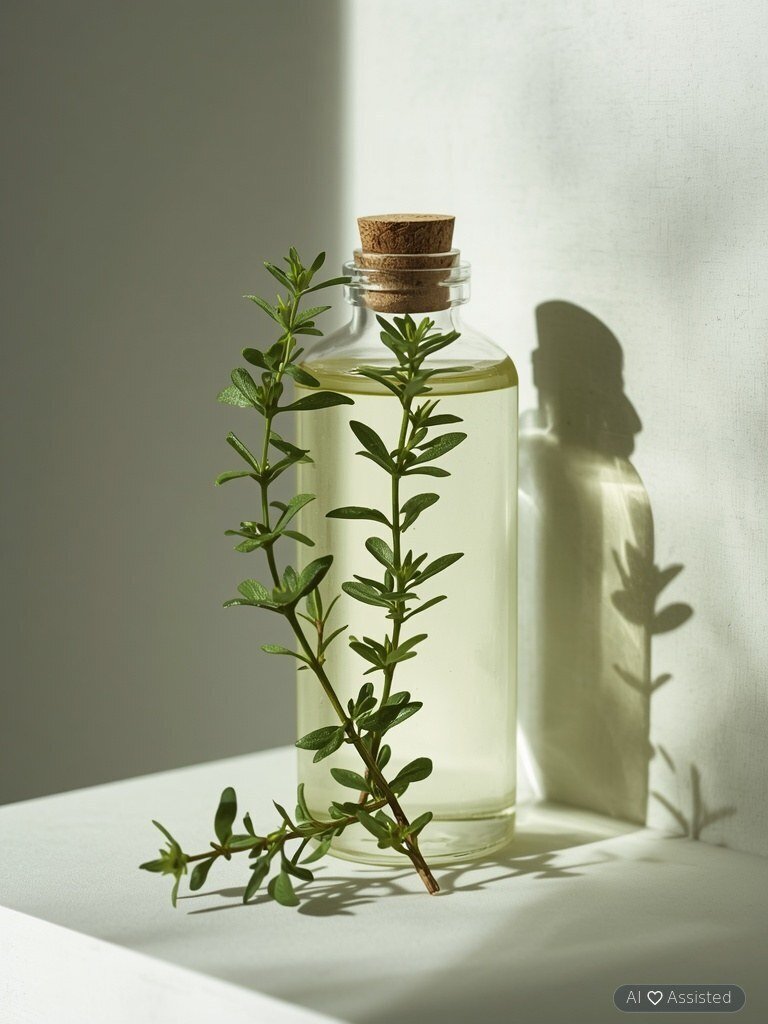
Thyme (Thymus vulgaris) occupies a distinguished rank within evidence-based European phytopharmacology for respiratory, gastroenterological, and dermatological indications. Its therapeutic potency derives from a dense volatile essential oil dominated by isomeric phenolic monoterpenes: thymol and carvacrol, backed by caffeic acid trimers (rosmarinic acid), flavone glycosides (luteolin, apigenin), and condensed tannins. This pharmacognostic monograph details secretomotoric and broncho-spasmolytic pulmonary actions, broad-spectrum antimicrobial resistance against biofilms and dermatophytes, and trichological applications in alopecia.
Want to apply these guidelines in your daily diet?
Our smart diet generator creates a tailored meal plan in 3 minutes based on the recommendations in this article.
Phytochemical Composition: Thymol, Carvacrol, Rosmarinic Acid, and Flavones
The pharmacodynamic actions of capitate Thymus vulgaris stem from a multifaceted phytocomplex:
- Essential Volatile Oil (1.0% to 2.5% Dry Weight): Enriched with 30% to 55% thymol and companion isomer carvacrol. These lipophilic phenolic monoterpenes readily intercalate into bacterial lipid bilayers, disrupting structural fluidity and precipitating intracellular protein leakage.
- Rosmarinic Acid Fraction: A potent phenylpropanoid dimer suppressing arachidonic acid lipoxygenase (5-LOX) and cyclooxygenase-2 (COX-2) cascades, blunting leukotriene-mediated tissue edema.
- Flavone Glycosides (Luteolin and Apigenin): Exert direct musculotropic smooth muscle relaxation across bronchial and intestinal walls via intracellular phosphodiesterase inhibition.
- Polyphenolic Condensed Tannins: Supply astringent, membrane-protein precipitating actions that seal denuded mucosal surfaces across the oropharynx.
Respiratory Phytotherapy: Secretolytic, Bronchospasmolytic, and Expectorant Mechanisms
Standardized thyme preparations represent the benchmark phytotherapeutic for acute tracheobronchitis:
- Pulmonary Elimination and Secretomotoric Clearance: Ingested thymol is volatile and partially excreted trans-alveolarly through exhaled breath. Direct contact with bronchial mucosa triggers parasympathetic serous glandular hypersecretion while accelerating ciliary beat frequency (mucociliary clearance).
- Bronchospasmolytic Efficacy: Thymus flavonoids and essential oils act as antispasmodics by blocking calcium channels and beta-2 adrenergic modulation, aborting paroxysmal bronchoconstriction.
- Antibacterial and Anti-Biofilm Destruction: Thymol disrupts respiratory bacterial pathogens (Streptococcus pneumoniae, Klebsiella pneumoniae, Pseudomonas aeruginosa), perforating cell walls and dismantling matrix biofilms.
- Clinical Herbal Synergy: Co-formulation with saponin-rich cowslip root (Primula) or ivy leaf (Hedera helix) significantly accelerates cough resolution in pediatric and adult bronchitis.
Dermatological, Trichological, and Gastrointestinal Applications: Alopecia and Dyspepsia
Beyond respiratory therapeutics, capitate thyme provides profound cutaneous and enteric benefits:
- Clinical Trichology in Alopecia Areata: Landmark randomized trials (Hay et al., JAMA Dermatol) demonstrated that daily scalp aromatherapy utilizing thyme (Thymus vulgaris), rosemary, lavender, and cedarwood diluted in carrier oils induced objective hair regrowth in 44% of alopecia areata subjects via perifollicular vasodilatation and anti-inflammatory immunomodulation.
- Antifungal and Anti-Malassezia Potency: Thymol exerts fungicidal disruption against Candida albicans, Trichophyton rubrum, and the lipophilic yeast Malassezia globosa, effectively terminating refractory seborrheic dermatitis and pityriasis capitis.
- Gastrointestinal Carminative Actions: Thyme infusions stimulate gastric acid and bile acid secretion, dampening intestinal flatulence, cramping, and enteric fermentation.
- Toxicological Cautions: Undiluted neat essential thyme oil is dermocaustic; cutaneous applications mandate rigorous dilution in jojoba or almond oil below 1.5% concentrations.

Wojciech Wiśniewski
✓Diets Premium Expert
Diets Premium team expert. Specializes in nutrition plans, strength sports, and training plans.
View Profile →