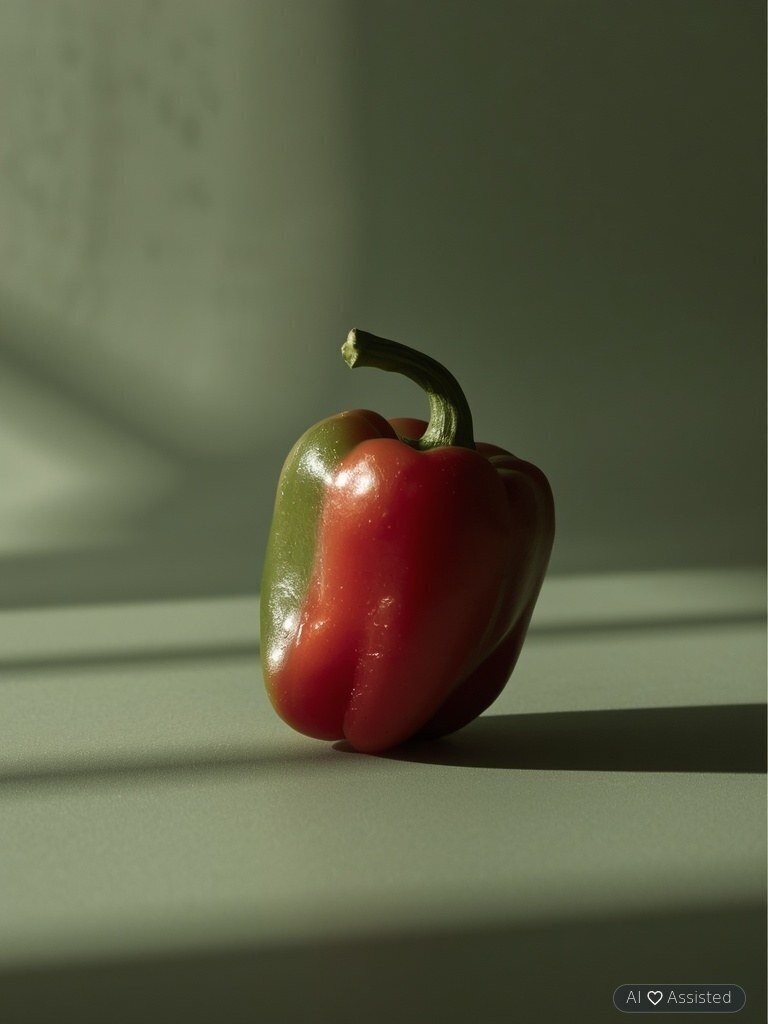
What gives chili peppers their heat? The biochemical role of capsaicin and its neurophysiological effects in humans
The distinctive pungency of chili peppers stems from the presence of capsaicin, an organic chemical compound synthesized by the plant as a defensive mechanism against herbivorous predators and pathogenic microorganisms. This substance selectively activates TRPV1 receptors—specialized pain-sensing receptors embedded in the cellular membranes of sensory neurons. While these receptors typically respond to elevated thermal stimuli and noxious chemical agents, capsaicin triggers a false "burning" signal that is transmitted to the brain via neural pathways, despite the absence of actual tissue injury. This intricate neurobiological response not only elicits the subjective perception of heat but also initiates a cascade of physiological reactions, including heightened perspiration, accelerated heart rate, and the release of endogenous endorphins—neuropeptides renowned for their analgesic and mood-enhancing properties, as substantiated by research conducted by Fattori et al. in 2016.
The Scoville scale: A historical and technical overview of capsaicin concentration measurement in chili peppers and derived products, from organoleptic origins to high-precision liquid chromatography
The Scoville scale constitutes the preeminent methodological framework for quantifying the pungency intensity of chili peppers and capsaicinoid-containing products—compounds responsible for the distinctive burning sensation. Its inception dates to 1912, when American pharmacist Wilbur Lincoln Scoville pioneered a systematic approach to measuring heat perception through what would become known as the Scoville Organoleptic Test. The original protocol relied on sensory evaluation: a standardized extract of the chili specimen was progressively diluted in a sugar-water solution and administered to a panel of trained tasters. The endpoint was defined as the dilution threshold at which the majority of assessors could no longer detect heat. Results were expressed in Scoville Heat Units (SHU), with the numerical value indicating the fold-dilution required to eliminate perceptible pungency—for instance, a pepper rated at 2500 SHU necessitated a 2500-fold dilution to neutralize its burning effect.
While groundbreaking for its era, the method suffered from inherent limitations: its reliance on human sensory panels introduced subjectivity, as outcomes varied according to individual tasters’ sensitivity thresholds, leading to potential inconsistencies and limited reproducibility. Contemporary practice has transitioned to objective laboratory techniques, foremost among them high-performance liquid chromatography (HPLC), which enables precise quantification of capsaicin and related alkaloids. The resultant data are then converted into SHU equivalents to maintain continuity with historical measurements and facilitate reliable comparisons across diverse products—ranging from fresh *Capsicum* fruits to processed commodities such as extracts, sauces, and powdered spices. It is critical to note, however, that pungency perception remains highly subjective, influenced by physiological factors (including the density of TRPV1 receptors in oral mucosa), as well as cultural conditioning and prior gustatory experiences.
A comprehensive guide to the most intensely pungent chili pepper varieties globally – ranked by Scoville Heat Unit ascending order
The pungency level of chili peppers exhibits substantial variability not only across distinct species but also within individual cultivars, a phenomenon influenced by a multitude of dynamic factors, including specific cultivation techniques, regional climatic conditions, and the concentration of capsaicinoids—chemical compounds that elicit the characteristic burning sensation. The subsequent compilation presents a methodically arranged selection of the most intensely pungent chili pepper varieties, ranked according to ascending values on the Scoville Heat Unit (SHU) scale, which serves as the authoritative metric for quantifying their heat intensity.
Jalapeño Pepper: Profile and Culinary Applications
(Heat level: 2500–8000 SHU): A comparatively mild chili pepper variety widely embraced in Tex-Mex and broader Mexican-inspired culinary traditions. Its balanced yet distinctly tangy flavor profile makes it an ideal introduction for those new to spicy ingredients. The jalapeño’s adaptability allows it to be enjoyed fresh—where its crisp texture and bright heat enhance dishes—or pickled, which intensifies its depth of flavor through the preservation process.
Serrano Pepper
(Heat level: 10,000–25,000 SHU): A cultivar exhibiting a more pronounced pungency than the jalapeño, frequently employed as a foundational ingredient in freshly made *salsa* preparations. Its flavor profile is distinguished by a clean, sharp heat devoid of overpowering earthy or smoky undertones, rendering it a versatile component for dishes that demand a vibrant yet measured degree of spiciness.
Designation of Cayenne pepper: inclusion of the following specification for Scoville heat units and culinary applications
(Scoville Heat Unit range: 20,000–50,000 SHU): predominantly employed as a pungent, high-intensity seasoning distinguished by its fiery and unmistakably bold flavor profile. Its pronounced, invigorating heat renders it an exemplary complement to culinary preparations necessitating a definitive, robust gustatory accent alongside a lingering, piquant finish. It integrates seamlessly into dishes of intricate aromatic composition where the introduction of an assertive, incandescent character is paramount.
Habanero pepper: an exceptionally pungent, fruit-forward chili with Caribbean culinary prominence
(Scoville Heat Units: 100,000–350,000 SHU): a high-capsaicin chili pepper distinguished by its searing heat and a complex, sweet-fruity flavor profile. Deeply embedded in Caribbean culinary traditions, it serves as a foundational ingredient in fiery sauces, bold marinades, and dishes requiring a pronounced, layered spiciness.
Moruga Scorpion Pepper from Trinidad and Tobago: Record-Breaking Heat with Citrus Undertones
(Heat level: 750,000–1,500,000 SHU): An exceptionally fiery pepper distinguished by a pronounced citrus undertone, delivering an immediate and deeply penetrating burn. Direct exposure to mucous membranes or skin may induce severe irritation—or, in rare cases, allergic responses—making protective gear (e.g., gloves, goggles) strongly advised during handling and preparation.
Carolina Reaper: The Unrivaled Scoville Champion of Capsicum
(Scoville Heat Units: 1,500,000–2,500,000 SHU): Certified by *Guinness World Records* as the planet’s most incendiary pepper variety, distinguished by its unprecedented capsaicin concentration. Its paradoxical flavor architecture marries a searing, near-unbearable heat with an unexpectedly layered sweetness—reminiscent of tropical fruit—undergirded by a smoldering, charcoal-kissed finish. Consumption of even trace amounts frequently triggers immediate and pronounced physiological responses, including tachycardia, profuse perspiration, and, in extreme cases, transient oral anesthesia.
The physiological impact of consuming hot chili peppers: health benefits and associated risk considerations
The capsaicinoids—a class of bioactive compounds dominated by capsaicin—represent the primary active constituents in pungent chili peppers, exerting a multifaceted and physiologically intricate influence on human biology. Empirical evidence suggests that the moderate, consistent incorporation of these culinary ingredients into one’s diet may yield a spectrum of health-promoting effects, including the attenuation of chronic inflammatory conditions, enhancement of metabolic efficiency, and potential chemopreventive properties against neoplastic development (Ao et al., 2022). The mechanistic basis for capsaicin’s pharmacological activity lies in its agonistic interaction with transient receptor potential vanilloid 1 (TRPV1) channels, a property that underpins its well-documented analgesic applications—hence its widespread formulation into topical creams and transdermal patches designed to alleviate musculoskeletal pain and neuropathic discomfort. Conversely, excessive consumption of highly pungent chili varieties may provoke mucosal irritation along the gastrointestinal tract, clinically presenting as esophageal burning sensations, gastroesophageal reflux, or—in severe instances—nausea and emesis. Individuals diagnosed with peptic ulcer disease, irritable bowel syndrome, or chronic gastritis are strongly advised to exercise caution or abstain entirely, as capsaicin has been shown to exacerbate symptomatic flare-ups and impede mucosal repair processes. Furthermore, hypersensitive individuals may experience allergic or idiosyncratic reactions, characterized by dermatological eruptions, angioedema, or respiratory distress. From a cardiovascular perspective, ingestion of intensely spicy foods can transiently elevate heart rate and systolic blood pressure, posing a clinically relevant hazard for those with preexisting hypertension, cardiac arrhythmias, or other cardiovascular pathologies. In summary, the safe and efficacious integration of chili peppers into a health-conscious diet necessitates personalized dose titration, careful consideration of baseline health status, and—where appropriate—professional guidance from a healthcare provider or registered dietitian to mitigate adverse effects while optimizing therapeutic potential.
The spicy phenomenon: Examining the cultural ascendancy of chili peppers in modern pop culture and associated socio-medical considerations
Over the past several years, chili peppers—particularly those of extreme heat levels—have emerged as a defining element of contemporary pop culture, capturing the attention of younger demographics with unprecedented intensity. Gastronomic challenges, most notably the widely disseminated "Hot Chip Challenge", which requires participants to consume snacks infused with exceptionally high concentrations of capsaicin, have achieved viral status across social media platforms. Equally prevalent are competitive eating events centered around the world’s hottest peppers, where contestants push their physiological limits to endure the burning sensation induced by capsaicin, the compound responsible for the heat sensation. These gatherings, whether organized as local community events or broadcast globally via online streams, attract legions of enthusiasts passionate about high-heat cuisine.
Within digital spaces, culinary content creators routinely produce and share videos documenting their attempts to sample the most scorching products available commercially—ranging from fast-food items to artisanal sauces boasting record-breaking Scoville ratings. These recordings, which frequently amass millions of views, frame extreme spiciness as a coveted and trendsetting culinary experience. However, it is critical to acknowledge that, despite the entertainment value of such content, there exists a pressing need to recognize the potential health hazards associated with the excessive consumption of ultra-spicy foods. Vulnerable groups—including children, adolescents, and individuals unaccustomed to pungent flavors—must exercise extreme caution, as participation in these challenges may lead to severe adverse health effects. Medical professionals and nutritionists strongly advise complete abstention from such activities for these demographics.