PRO
6 min read
The Best Diet for Fat Tissue Reduction - Methods Facilitating Weight Loss

Kacper Nowak
✓
Diets Premium Expert • 24.03.2026
✓
Scientifically reviewed by a clinical dietitian:
This article has been peer-reviewed for adherence to IŻŻ, WHO, and PTGiP clinical nutritional standards.
| Diets Premium Expert Kacper Nowak | min read 6 min | Scientifically reviewed by a clinical dietitian 24.03.2026 |

Smart Voice
•Listen to the article content live
0:00
/
0:00
Key Takeaways
Obesity is referred to as the epidemic of the 21st century and affects up to 13% of the global population. Even more concerning is that 20% of Polish adults and 13% of boys and 5% of girls under the age of 18 are dealing with it. It turns out that Polish children are the most at risk of obesity among Europeans. The problem is predicted to intensify year by year, hence the dissemination of knowledge on the prevention and treatment of obesity should be a priority topic for health organizations.
Meal Plan
Want to apply these guidelines in your daily diet?
Our smart diet generator creates a tailored meal plan in 3 minutes based on the recommendations in this article.
PRO Content
PRO
This article is professional premium content (PRO) provided in its entirety.
The True Implications of Obesity
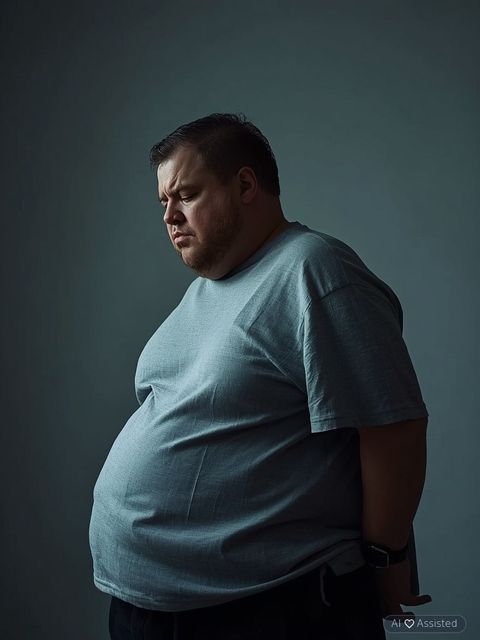
Obesity is a chronic condition characterized by excessive or irregular fat tissue accumulation that negatively impacts the functioning of the entire body. It is diagnosed when the body mass index (BMI) is at least 30 kg/m2 or when the percentage of body fat exceeds 30% in women and 25% in men. It is a result of various factors, including genes, lifestyle, dietary habits, physical activity, as well as environmental and social factors, however the direct cause is consuming too much energy in relation to the body's requirements. Untreated obesity is a serious issue as it can lead to the development of diseases, including heart disease, type 2 diabetes, musculoskeletal disorders (e.g., degenerative joint disease), and even cancer (e.g., endometrium, breast, ovarian, and colorectal) (M. L. Endalifer, G. Diress 2020).
Energy requirements and deficit in an overweight individual, how to calculate it
The primary method of treating overweight is diet therapy, the main requirement of which is to generate a negative energy balance. To assess this, one must use the Harris-Benedict model or the Mifflin-St. Jeor method, which calculates the basic metabolic rate (PPM) and multiplies it by the physical activity coefficient (PAL) to obtain the total calorie intake (CPM), or the number of calories needed to maintain the current body weight. However, the approach of Harris-Benedict-Benedict or Mifflins-St Jeora, which takes into account the body weight, body height, age, and gender, is used to determine the amount of calories that will allow the total body weight to be converted from the normal body weight to the normal weight, or any number of calories required to sustain the actual body weight loss. However, in the case of obesity, another method is used, which finds application mainly in clinical nutrition and allows for a more precise determination of the negative energy balance. This method consists in calculating the so-called target body weight (i.e., the ideal body weight for a given height, age, and gender), then calculating the PPM based on the above-mentioned formulas and multiplying it by the PAL activity coefficient. In this case, it is not always necessary to subtract the calories, as an energy deficit is expected from the beginning. However, in the case of a significant overweight, it is necessary to add a small amount of energy per day, which should be further reduced. It is also important to apply a more flexible method of calculating the energy requirement and adapting it to individual needs. It is worth remembering that the values based on formulas are general and do not always ideally reflect the individual metabolic features of each person. Therefore, it is important to give oneself the possibility of making possible modifications if earlier methods do not bring the expected results. It is also important not to limit oneself only to the body mass index (BMI) as a measure of progress in the treatment of overweight. It is better to observe progress using different parameters, such as waist circumference, hip circumference, or the ratio of waist to hip circumference, as well as the general body silhouette. These parameters better reflect the changes in body composition, such as the increase in muscle mass due to regular physical activity and the simultaneous loss of fat tissue (R. N. Dickerson et al. 2022).
Which types of diet aid in combating obesity
The basic assumptions of the diet used in the treatment of obesity align with the general principles of a healthy diet recommended for the Polish population. They include increasing the consumption of a variety of vegetables, fruits, whole grain products, high-quality protein (lean meat, legume seeds, eggs), vegetable fats, and dairy products, and simultaneously reducing the consumption of nutritious and processed products. Another important component of a diet for treating obesity is increasing the intake of dietary fiber, which provides a feeling of fullness, regulates digestion, and positively affects cholesterol and glucose levels in the blood. However, the most important aspect of dietetics in obesity is maintaining an energy deficit (NCEZ 2022).
How can you simplify the process of decreasing body weight? Manual
Certain individuals commit the blunder of establishing excessively challenging, unrealistic objectives, which brings about rapid feelings of frustration and loss of motivation. It is necessary to establish goals rooted in realistic assumptions, enabling a gradual yet enduring shift in dietary habits and lifestyle. An example of a realistic goal during weight reduction may be a progressive decrease in body mass within the scope of 0.5-1 kg per week. Such a rate of weight loss is not only safe for the body but also more probable to maintain in the long term.
Plan your meals daily or for the entire week
Attempt to systematically plan your meals for each day or the entire week, but also leave some flexibility so as not to feel trapped in a diet. If we have difficulties balancing our nutrition, we can seek help from a qualified nutritionist.
Pay attention to portion size and systematically consume your meals
By consuming four to five smaller yet systematic meals, you will feel satisfied for most of the day and avoid hunger attacks and overeating.
Augment your daily intake of fruits and vegetables
The low-calorie nature of fruits and vegetables, coupled with their large volume, provides a sense of fullness and satiety, resulting in a decrease in overall calorie consumption.
Avoid liquid calorie sources
Sweetened beverages and juices, despite being tasteful, possess no outstanding nutritional value and deliver a considerable amount of calories yet fail to provide a sensation of satiety. Cocktails might be considered, however, it should be noted that they should incorporate not only fruits/vegetables but also a source of protein and fat.
Maintain regular physical activity
Not only does it aid in burning surplus calories, but it also has a positive impact on overall health and physical functionality. It's crucial to adapt it to your individual preferences and abilities. Starting with walking and gradually transitioning to more intense forms of exercise is a good approach.
Monitor development
Sustaining a dietary journal and observing advancements assists in consciously governing calorie intake and encourages persistence in endeavors.
Don't forget to rest, track your stress level
Rest plays a critical role in the body's regeneration and maintaining positive mental well-being. Furthermore, monitoring stress levels can bring the benefit of avoiding overeating as a stress coping strategy. Therefore, it is worth considering trying a regular practice of relaxation techniques such as meditation, deep breathing, or yoga.
Steer clear of strict diets
Excluding entire categories of food products or drastically reducing calorie intake may lead to nutrient deficiencies and health problems, as well as a quick abandonment of the diet and return to old habits. Instead, choose a diverse and balanced diet that you will enjoy!
Equip yourself with patience, be persistent
The process of weight reduction may require a significant investment of time and effort. However, never forget that every step forward is a success and small setbacks do not negate all previous efforts. Remember that every individual is unique, so experiment with various methods and discover those that best suit your lifestyle and preferences. Do not allow the results of others to influence your actions and trust the process.

Kacper Nowak
✓Diets Premium Expert
Diets Premium team expert. Specializes in nutrition plans, strength sports, and training plans.
View Profile →