Overcoming Culinary Monotony: Creative and Nutritious Pantry Improvisation

| Diets Premium Expert Anna Schmidt | min read 5 min | Scientifically reviewed by a clinical dietitian 23.10.2026 |
Smart Voice
•Listen to the article content live
Dietary monotony frequently undermines adherence to healthy eating habits, predisposing individuals to ultra-processed convenience foods. However, culinary variety does not necessitate constant, expensive grocery trips; it relies on the strategic orchestration of nutrient-dense pantry staples. This practical guide presents evidence-based meal improvisation techniques: combining dry legumes and whole grains, mastering global spice architecture, and optimizing micronutrient density while minimizing food waste.
Want to apply these guidelines in your daily diet?
Our smart diet generator creates a tailored meal plan in 3 minutes based on the recommendations in this article.
Pantry Architecture: Legumes, Whole Grains, and Seeds as Nutritional Foundations
Shelf-stable dry staples constitute the ideal nutritional architecture for fast, wholesome meals:
- Complementary Protein Pairing: Legumes (lentils, chickpeas, black beans) are rich in lysine but limited in sulfur-containing methionine. Conversely, whole grains (buckwheat, brown rice, oats) supply methionine while having lower lysine content. Consuming them together forms a complete amino acid score comparable to animal protein.
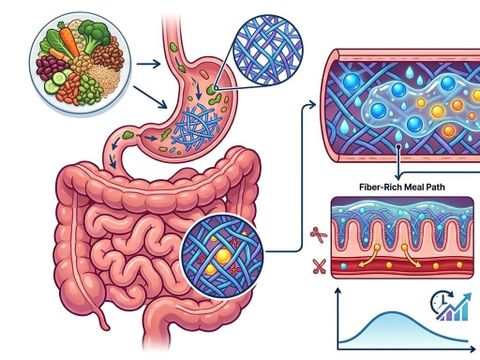
- Prebiotic Fiber Architecture: Whole grains and pulses deliver resistant starch and beta-glucans, which colonic microbiota ferment into protective short-chain fatty acids (SCFAs, especially butyrate).
- Oilseeds for Texture and Micronutrients: Toasted pumpkin, sunflower, sesame, and flax seeds enrich soups and grain bowls with bioactive zinc, magnesium, and anti-inflammatory alpha-linolenic acid (ALA).
Spice Architecture: Transforming Flavor Profiles Without Excessive Sodium
Herbal and spice chemistry completely transforms identical baseline ingredients across culinary traditions:
- Mediterranean Palette: Oregano, rosemary, basil, and garlic imbue pulses and root vegetables with bioactive rosmarinic acid and carvacrol, enhancing lipid stability.
- Indian Curry Complex: Ground cumin, turmeric (paired with piperine from black pepper to boost curcumin bioavailability by 2,000%), coriander, ginger, and cinnamon convert standard lentils into warming, anti-inflammatory dahls.
- Umami and Smoked Depths: Smoked paprika, sun-dried tomato powder, and nutritional yeast flakes impart savory umami sensations without sodium glutamate additives or processed meats.
Zero-Waste Cooking: Vegetable Stocks, Sandwich Spreads, and One-Pot Bakes
Zero-waste culinary techniques prevent household food waste while optimizing micronutrient recovery:
- Whole-Food Spreads: Blending cooked chickpeas, beans, or roasted root scraps with lemon juice, tahini or olive oil, and herbs yields high-protein dips superior to commercial spreads.
- Freezer Vegetable Scrap Broths: Clean peelings and ends of carrots, leeks, onions, and celeriac stored in freezer bags can be simmered into deeply restorative vegetable stocks.
- One-Pot Casseroles: Repurposing leftover cooked grains and steamed legumes with tomato passata and herb crusts creates hearty, fiber-rich evening meals.
Tags

Anna Schmidt
✓Diets Premium Expert
Diets Premium team expert. Specializes in nutrition plans, strength sports, and training plans.
View Profile →